Montana’s Push for Workforce Revival: Governor Gianforte Launches Bold Licensing Reform Task Force

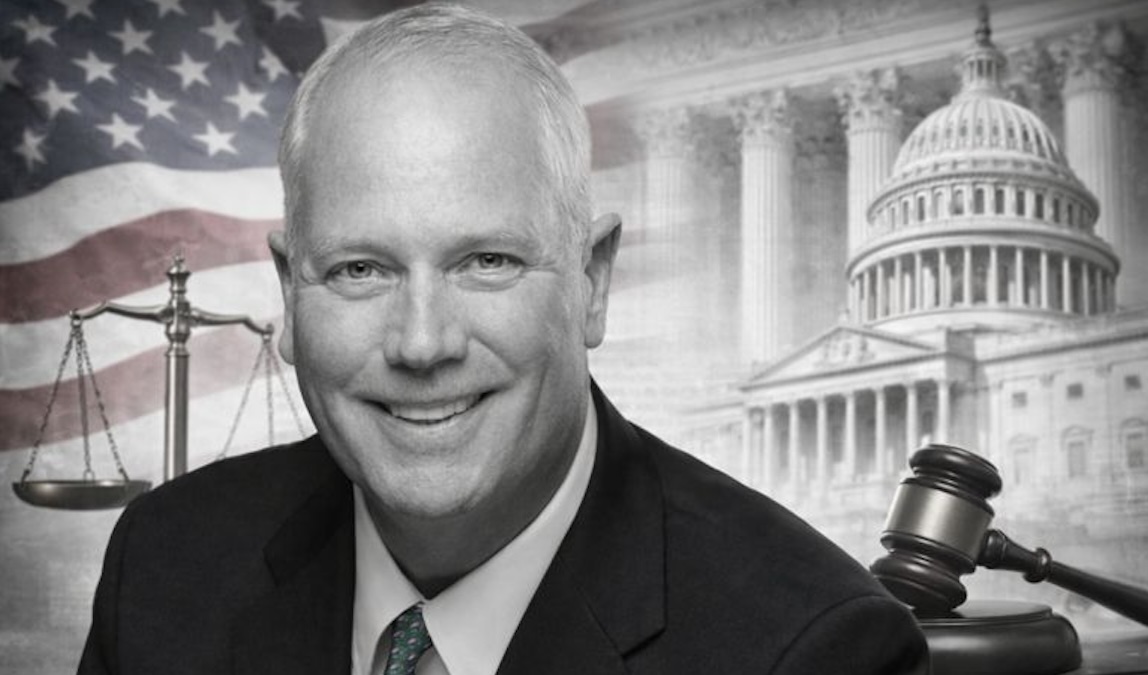
Montana licensing reform graphic

Montana is taking a major step toward removing barriers that keep skilled professionals out of the workforce. Governor Greg Gianforte has officially launched a Licensing Reform Task Force — a statewide initiative designed to modernize occupational licensing, streamline regulations, and ultimately get more Montanans into meaningful careers.

The announcement, originally published by the Montana Governor’s Office, reinforces the state’s commitment to tackling workforce shortages head‑on, particularly in industries like construction and health care.

Breaking Down Barriers to Work

“For too long, occupational licensing and outdated regulations have acted as barriers for Montanans working hard to reach the American dream,” said Governor Gianforte. His message reflects a growing nationwide movement urging states to cut unnecessary red tape.

The task force will be chaired by Sarah Swanson, Commissioner of the Montana Department of Labor & Industry. Swanson emphasized that although Montana has made strong progress since 2025, the journey toward true modernization is far from over.

“This new task force builds on that momentum and aligns with federal efforts to increase economic mobility by reducing unnecessary barriers to work,” Swanson said.

Her remarks highlight the broader goal: helping skilled individuals get to work faster, support their families, and strengthen communities statewide.

Why Licensing Reform Matters

According to the governor’s executive order, the number of occupational licenses issued in Montana has doubled in the past decade. Meanwhile, the list of professions requiring licensure continues to grow — placing additional stress on workforce pipelines.

Essential professionals, from healthcare providers to builders, often face delays of months or longer. In Montana’s rural communities, these delays can rapidly escalate into critical service shortages.

Charlie Brereton, Director of the Montana Department of Public Health and Human Services, emphasized the significance of this initiative in improving state-wide access to care.

A Timeline for Change

The Licensing Reform Task Force will hold its first meeting in February, with a comprehensive report due to the Governor by September 2, 2026. Official task force members will be announced shortly.

This initiative also supports Montana’s 406 JOBS program, which focuses on workforce improvements across public and private sectors — all aimed at boosting efficiency, innovation, and inter‑agency collaboration.

What This Means for Professionals Nationwide

Though centered in Montana, this reform movement resonates across the country. Licensing modernization impacts countless professionals seeking new opportunities or cross‑state mobility. At Cameron Academy, we regularly assist individuals navigating these evolving requirements in real estate, mortgage, insurance, and healthcare fields nationwide.

Efforts like Montana’s aren’t simply regulatory updates — they’re powerful steps toward helping more Americans enter the careers they strive for without unnecessary delays.

Ready to elevate your professional journey?
Cameron Academy offers flexible, high‑quality licensing and continuing education programs across all 50 states. Whether you’re pursuing real estate, insurance, mortgage, or professional advancement, our training helps you stay competitive and confident.

To view the governor’s full executive order, click here: Executive Order: Licensing Reform Advisory Council.

As Montana pushes forward with reform, one thing stands out: streamlined licensing is no longer optional — it’s essential. Professionals, employers, and communities all benefit when pathways to licensure become faster, clearer, and more accessible.

More Articles

Getting licensed or staying ahead in your career can be a journey—but it doesn’t have to be overwhelming. Grab your favorite coffee or tea, take a moment to relax, and browse through our articles. Whether you’re just starting out or renewing your expertise, we’ve got tips, insights, and advice to keep you moving forward. Here’s to your success—one sip and one step at a time!

FinCEN’s Nationwide AML Rule Reshapes Title and Real Estate Compliance for 2025–2026

The title and real estate industries are entering their most dramatic compliance overhaul in decades. FinCEN’s new anti‑money‑laundering rule now applies to every state, enforces a first‑dollar reporting requirement, and places full responsibility on settlement agents. With the rule already in effect and mandatory reporting beginning March 1, 2026, professionals face urgent operational changes involving software, training, and entity‑buyer disclosures. Combined with state‑level rate shifts and heightened scrutiny of attorney opinion letters, 2025 marks a turning point that demands stronger compliance literacy across the entire real estate and finance ecosystem.

7 Retirement Trends Shaping 2026: What Professionals Should Know

Retirement planning went through major changes in 2025, from new SECURE Act updates to shifting investment behaviors. As we move into 2026, seven key trends are reshaping how Americans save and build long‑term wealth. These shifts matter not only for everyday investors but also for professionals across real estate, finance, mortgage, insurance, and other licensed fields. Understanding these developments can help you strengthen your own financial strategy while staying competitive in your career.

Florida’s Real Estate Cooldown: Insurance Costs Are Now the Biggest Dealbreaker

Florida’s housing market is cooling faster than any other state, and soaring insurance premiums are the primary force driving buyers away. With cancellation rates in major metros topping 20%, steep price drops across Southwest Florida, rising HOA and condo fees, and thousands of homes added to new flood zones, many buyers are discovering that insurance—not the mortgage—is what kills the deal. As Citizens shrinks and new legislation raises coverage requirements, professionals in real estate, mortgage, and insurance must adapt quickly to a market where affordability hinges on risk, regulation, and rising premiums.

Commercial Real Estate in 2026 Shows Signs of Stabilization and Strategic Growth

Commercial real estate is entering 2026 with renewed optimism as pricing floors, revitalized capital markets, and improved market visibility signal a shift away from the volatility of 2025. Analysts from Deloitte, Colliers, Cushman & Wakefield, and CoStar highlight firmer fundamentals, rising deal flow, and increased lender participation. Key sectors such as office, industrial, retail, multifamily, and data centers are showing distinct recovery patterns, positioning industry professionals and students for new opportunities in the year ahead.

Why Florida Insurance Rates Are Falling but Premiums Keep Climbing

Florida’s property insurance market is finally stabilizing after years of storms, lawsuits, and rising rates — yet many homeowners are still seeing higher bills. The reason isn’t the rates themselves but soaring replacement values driven by inflation in labor and building materials. Even as insurers lower rates, the cost to rebuild a home continues to rise, making up roughly 75% of recent premium increases. With new insurers entering the market and reforms taking effect, homeowners now have more options to shop, recalculate coverage, and control their costs.

Why Microcredentials Will Dominate 2026 Hiring — And How Professionals Can Stay Ahead

The 2026 job market is shifting fast, and the biggest winners will be professionals who can prove they’re continuously learning. With more than 90% of employers now preferring candidates with microcredentials, short targeted certificates are becoming the new career currency. From AI and data skills to modern communication and adaptability, microcredentials are helping workers stand out in a competitive landscape — especially as industries like real estate, mortgage, insurance, and finance demand ongoing upskilling.