Montana’s Push for Workforce Revival: Governor Gianforte Launches Bold Licensing Reform Task Force

Montana licensing reform graphic

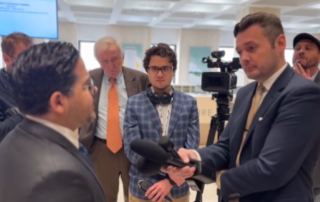
Montana is taking a major step toward removing barriers that keep skilled professionals out of the workforce. Governor Greg Gianforte has officially launched a Licensing Reform Task Force — a statewide initiative designed to modernize occupational licensing, streamline regulations, and ultimately get more Montanans into meaningful careers.

The announcement, originally published by the Montana Governor’s Office, reinforces the state’s commitment to tackling workforce shortages head‑on, particularly in industries like construction and health care.

Breaking Down Barriers to Work

“For too long, occupational licensing and outdated regulations have acted as barriers for Montanans working hard to reach the American dream,” said Governor Gianforte. His message reflects a growing nationwide movement urging states to cut unnecessary red tape.

The task force will be chaired by Sarah Swanson, Commissioner of the Montana Department of Labor & Industry. Swanson emphasized that although Montana has made strong progress since 2025, the journey toward true modernization is far from over.

“This new task force builds on that momentum and aligns with federal efforts to increase economic mobility by reducing unnecessary barriers to work,” Swanson said.

Her remarks highlight the broader goal: helping skilled individuals get to work faster, support their families, and strengthen communities statewide.

Why Licensing Reform Matters

According to the governor’s executive order, the number of occupational licenses issued in Montana has doubled in the past decade. Meanwhile, the list of professions requiring licensure continues to grow — placing additional stress on workforce pipelines.

Essential professionals, from healthcare providers to builders, often face delays of months or longer. In Montana’s rural communities, these delays can rapidly escalate into critical service shortages.

Charlie Brereton, Director of the Montana Department of Public Health and Human Services, emphasized the significance of this initiative in improving state-wide access to care.

A Timeline for Change

The Licensing Reform Task Force will hold its first meeting in February, with a comprehensive report due to the Governor by September 2, 2026. Official task force members will be announced shortly.

This initiative also supports Montana’s 406 JOBS program, which focuses on workforce improvements across public and private sectors — all aimed at boosting efficiency, innovation, and inter‑agency collaboration.

What This Means for Professionals Nationwide

Though centered in Montana, this reform movement resonates across the country. Licensing modernization impacts countless professionals seeking new opportunities or cross‑state mobility. At Cameron Academy, we regularly assist individuals navigating these evolving requirements in real estate, mortgage, insurance, and healthcare fields nationwide.

Efforts like Montana’s aren’t simply regulatory updates — they’re powerful steps toward helping more Americans enter the careers they strive for without unnecessary delays.

Ready to elevate your professional journey?
Cameron Academy offers flexible, high‑quality licensing and continuing education programs across all 50 states. Whether you’re pursuing real estate, insurance, mortgage, or professional advancement, our training helps you stay competitive and confident.

To view the governor’s full executive order, click here: Executive Order: Licensing Reform Advisory Council.

As Montana pushes forward with reform, one thing stands out: streamlined licensing is no longer optional — it’s essential. Professionals, employers, and communities all benefit when pathways to licensure become faster, clearer, and more accessible.

More Articles

Getting licensed or staying ahead in your career can be a journey—but it doesn’t have to be overwhelming. Grab your favorite coffee or tea, take a moment to relax, and browse through our articles. Whether you’re just starting out or renewing your expertise, we’ve got tips, insights, and advice to keep you moving forward. Here’s to your success—one sip and one step at a time!

Emerging Trends Shaping the Future of Commercial Real Estate

Commercial real estate is undergoing rapid transformation driven by flexible workspaces, booming industrial demand, sustainability priorities, and advanced building technology. As tenant expectations evolve, investors and professionals who adapt to modular work environments, e-commerce driven logistics growth, green building standards, and tech integrated properties will be best positioned for long term success in an increasingly dynamic market.

Florida Ends Insurance Surcharge Early, Delivering 650 Million Dollars in Statewide Savings

Florida homeowners are getting long-awaited relief as the state ends its 1 percent insurance surcharge two years ahead of schedule. The charge, originally added after multiple insurer failures, will officially conclude on October 1, saving residents an estimated 650 million dollars. While individual savings average about 31 dollars per policy, the move signals a healthier and more stable insurance market—welcome news for homeowners, buyers, and real estate professionals across the state.

Real Estate Tech Gets Smarter: AI, Integrations, and Faster Listing Prep

This week’s biggest real estate tech updates are reshaping how agents market listings, how builders present inventory, and how sellers prep their homes. Canva and Rechat now offer a seamless MLS‑to‑marketing workflow, PulteGroup is expanding AI to create consistent digital listings, and Simplify Home is accelerating pre‑listing improvements with pay‑at‑closing options. These innovations highlight a clear trend: real estate pros who embrace smarter tools will move faster and win more business.

Starting Your Career? New Study Reveals the Best and Worst States for Young Professionals

A new national analysis shows that where you choose to launch your career can dramatically impact your early financial stability, job growth, and long‑term success. Wyoming, Vermont, and the Dakotas offer the strongest opportunities for entry‑level professionals thanks to abundant jobs and affordable housing. Meanwhile, states like California and Hawaii present steep challenges with extremely limited openings and sky‑high living costs. For those eyeing real estate, mortgage, insurance, or finance careers, Florida remains competitive but promising—and Cameron Academy is ready to help you get licensed and career‑ready no matter where you start.

Florida House Advances Major Housing Bill Amid Concerns Over Sprawl

Florida lawmakers have approved HB 399, a sweeping land‑use overhaul that aims to expand housing supply but has sparked concern over weakened local authority and potential sprawl. Supporters argue the bill will ease affordability pressures, while opponents warn it sidelines voter-approved growth protections and shifts too much power toward developers. The measure now moves to the Senate, positioning it as a pivotal issue for real estate professionals navigating Florida’s evolving regulatory landscape.

Florida Keys Buyers Gain the Upper Hand as Market Shifts Toward 2026

A new study shows that buyers in the Florida Keys are gaining more influence over pricing and negotiations, signaling a cooling and maturing market heading into 2026. With increased leverage on the buyer side, real estate professionals must adapt their strategies—sharpening pricing analysis, negotiation skills, and market insights—to stay competitive in a shifting Monroe County landscape.