The Morningstar US Active/Passive Barometer for 2024 provides insightful data on how active funds have been performing compared to their passive counterparts. Over the past decade, active funds have faced challenges, marked by consistent outflows and difficulty in outperforming passive funds. However, the total assets in US passive mutual funds and ETFs exceeded those of active funds for the first time.
Despite these trends, active management is far from obsolete. Active managers have managed to compensate for outflows through strategies like asset appreciation and fee bases during lucrative market conditions. Yet, the changing market environment could pose challenges.
Key Findings from the Morningstar US Active/Passive Barometer:
Success Rates: In 2024, active small-cap managers had a higher success rate (43%) compared to mid-cap (37%) and large-cap (37%) managers. However, over the last decade, only 7% of active large-cap funds survived and outperformed their passive counterparts.
Challenges in Large-Cap Equity: Only 7% of active US large-cap funds managed to survive and outperform passive competitors over the past decade. However, there was an improvement in their performance in 2024, with a success rate increase to 37%.
Success in Small-Cap Categories:Active small-cap funds performed better over the long term, with a 43% success rate in 2024, suggesting that the market is less efficiently priced in this category.
Real Estate and Fixed Income: Actively managed US real estate funds displayed the highest success rate among all categories with 47% succeeding over the past decade. In fixed income, active bond managers saw increased success rates in 2024, particularly in intermediate core bonds, corporate bonds, and high-yield bonds.
Active management remains a viable option for certain categories, notably in real estate and fixed income markets. The Morningstar report provides a comprehensive analysis that aids financial advisors in understanding the dynamics of active versus passive fund performance.
The original article on Morningstar discusses these findings in detail, highlighting the importance of the Active/Passive Barometer as a tool for evaluating investment strategies, offering insights into fees, market dynamics, and success rates across various fund categories.
More Articles
Getting licensed or staying ahead in your career can be a journey—but it doesn’t have to be overwhelming. Grab your favorite coffee or tea, take a moment to relax, and browse through our articles. Whether you’re just starting out or renewing your expertise, we’ve got tips, insights, and advice to keep you moving forward. Here’s to your success—one sip and one step at a time!
The real estate industry is on the brink of a transformation, driven by the integration of the Internet of Things (IoT). This technological advancement is reshaping how buildings operate and enhancing tenant experiences across the globe.
"This framework postulates New Orleans as already living in the future," said Patterson during the exhibition's opening. Lash added, "We want to show New Orleans as a gift and as a scout." The exhibition, featuring 51 artists across 21 venues, highlights how contemporary art can serve as an engine of coping, rather than mere recovery.
As the dust settles on the recent Republican victory in the U.S. presidential election, the tax landscape is poised for significant changes with President-elect Donald Trump set to return to the White House.
As we step into 2025, the multifamily housing sector is projected to experience modest growth. Yardi Matrix anticipates a 1.5% increase in rents, driven by positive economic conditions and stable industry fundamentals, particularly in the Northeast and Midwest regions. However, the rent growth forecasts vary across different markets.
Recent surveys have shed light on the preferences and priorities of renters in 2024, emphasizing the dominance of digital marketing and the importance of community inclusiveness.
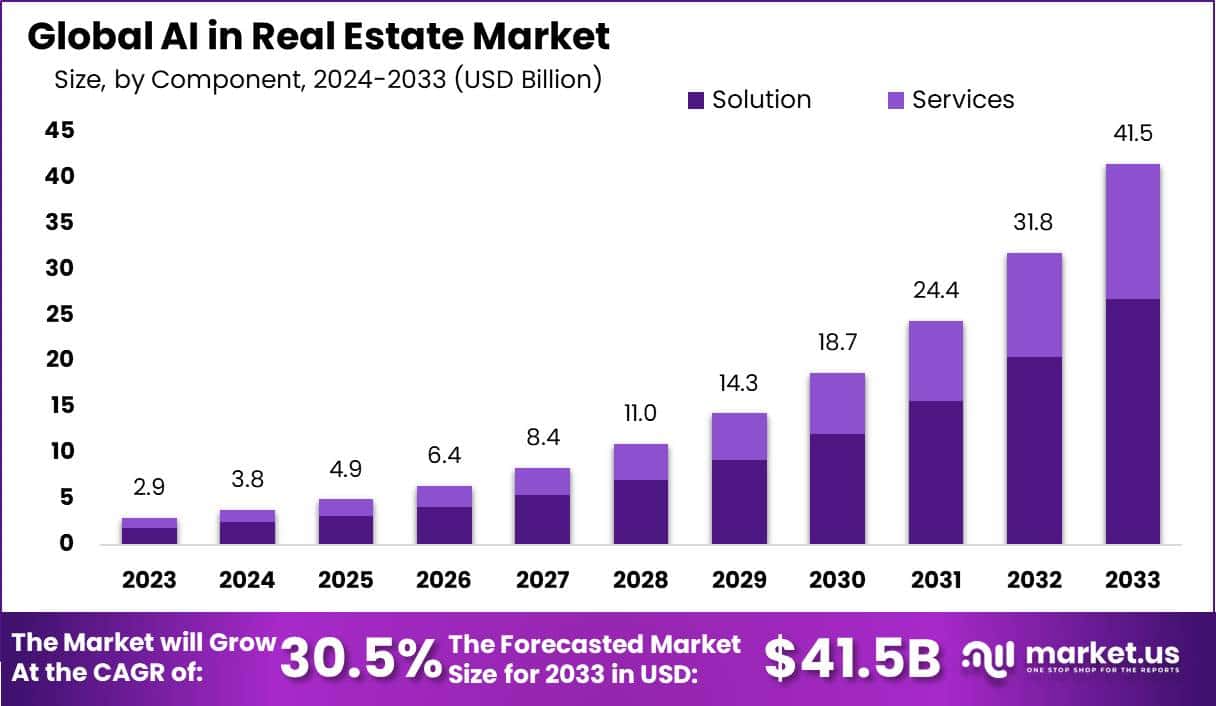
The real estate industry is on the brink of a technological transformation, with Artificial Intelligence (AI) playing a pivotal role. According to a recent report by Market.us, the AI in real estate market is projected to surge from USD 2.9 Billion in 2023 to a staggering USD 41.5 Billion by 2033, growing at an impressive CAGR of 30.5%.

:quality(80)/cloudfront-us-east-1.images.arcpublishing.com/morningstar/GSRW3O6SIBE4NNTDL3KBGXHHYU.png "Morningstar Us Active/Passive Barometer For 2024 Reveals Trends In Fund Performance 2")
:quality(80)/cloudfront-us-east-1.images.arcpublishing.com/morningstar/FVUD4QYNQ5EIDCMVL5CBIE4NQE.png "Morningstar Us Active/Passive Barometer For 2024 Reveals Trends In Fund Performance 3")
:quality(80)/cloudfront-us-east-1.images.arcpublishing.com/morningstar/WWSWFEN4HRDQFMQAJQ2L6PNWLM.png "Morningstar Us Active/Passive Barometer For 2024 Reveals Trends In Fund Performance 4")