The Morningstar US Active/Passive Barometer for 2024 provides insightful data on how active funds have been performing compared to their passive counterparts. Over the past decade, active funds have faced challenges, marked by consistent outflows and difficulty in outperforming passive funds. However, the total assets in US passive mutual funds and ETFs exceeded those of active funds for the first time.
Despite these trends, active management is far from obsolete. Active managers have managed to compensate for outflows through strategies like asset appreciation and fee bases during lucrative market conditions. Yet, the changing market environment could pose challenges.
Key Findings from the Morningstar US Active/Passive Barometer:
Success Rates: In 2024, active small-cap managers had a higher success rate (43%) compared to mid-cap (37%) and large-cap (37%) managers. However, over the last decade, only 7% of active large-cap funds survived and outperformed their passive counterparts.
Challenges in Large-Cap Equity: Only 7% of active US large-cap funds managed to survive and outperform passive competitors over the past decade. However, there was an improvement in their performance in 2024, with a success rate increase to 37%.
Success in Small-Cap Categories:Active small-cap funds performed better over the long term, with a 43% success rate in 2024, suggesting that the market is less efficiently priced in this category.
Real Estate and Fixed Income: Actively managed US real estate funds displayed the highest success rate among all categories with 47% succeeding over the past decade. In fixed income, active bond managers saw increased success rates in 2024, particularly in intermediate core bonds, corporate bonds, and high-yield bonds.
Active management remains a viable option for certain categories, notably in real estate and fixed income markets. The Morningstar report provides a comprehensive analysis that aids financial advisors in understanding the dynamics of active versus passive fund performance.
The original article on Morningstar discusses these findings in detail, highlighting the importance of the Active/Passive Barometer as a tool for evaluating investment strategies, offering insights into fees, market dynamics, and success rates across various fund categories.
More Articles
Getting licensed or staying ahead in your career can be a journey—but it doesn’t have to be overwhelming. Grab your favorite coffee or tea, take a moment to relax, and browse through our articles. Whether you’re just starting out or renewing your expertise, we’ve got tips, insights, and advice to keep you moving forward. Here’s to your success—one sip and one step at a time!
foreign investment in U.S. real estate has surged to unprecedented levels, surpassing 1.2 trillion dollars over the past 15 years. This influx has sparked a robust debate among scholars and policymakers about the potential threats and benefits posed by such investments.
With the rise of digital interactions, Aflac is tailoring its strategies to engage Gen Z and other demographics, focusing on seamless digital experiences and omnichannel engagement.
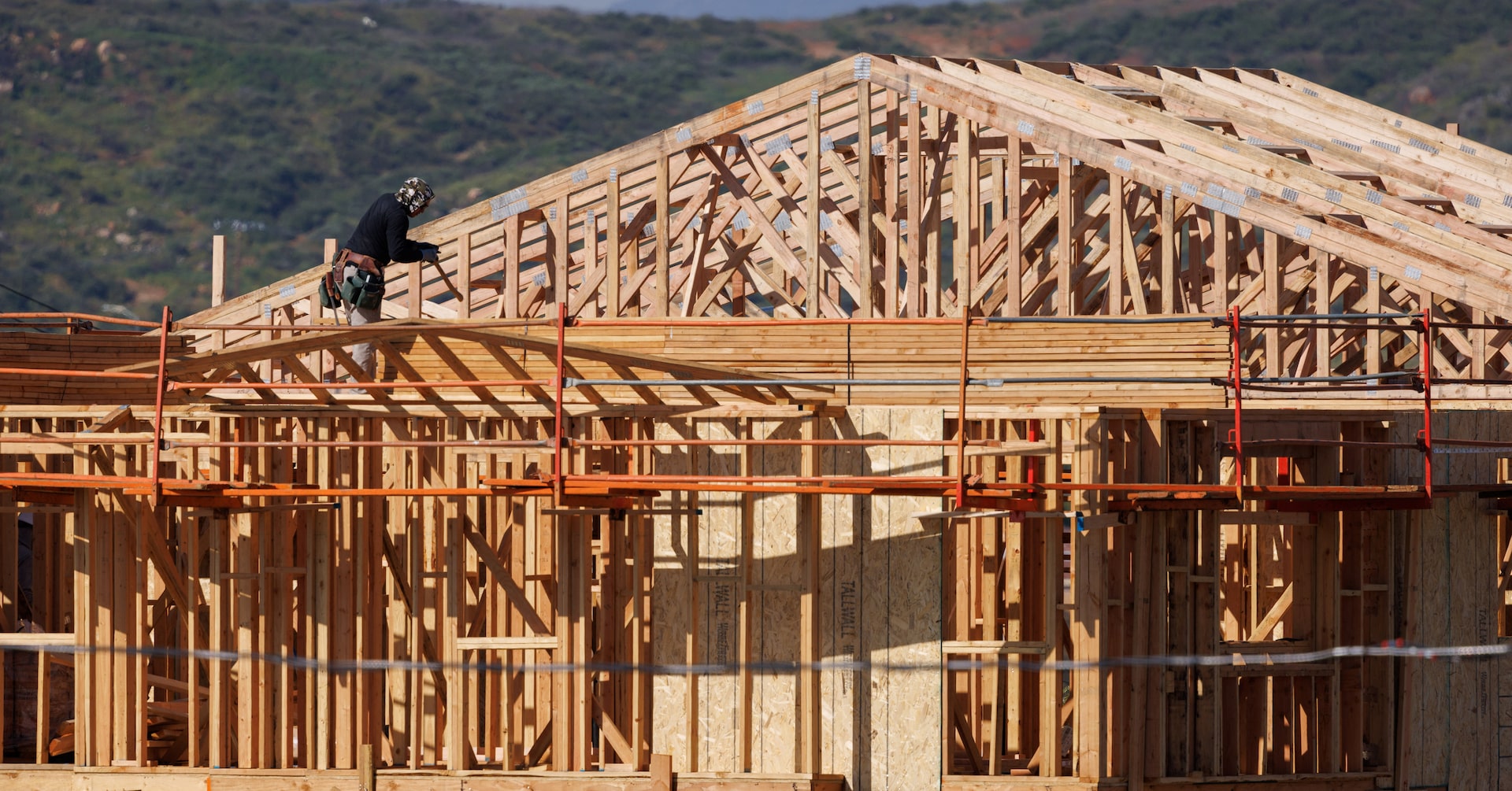
U.S. single-family homebuilding sector has hit an eight-month low in June, largely due to escalating mortgage rates. This downturn suggests a potential drag on the nation's economic growth during the second quarter.
As we navigate this rising tide of risk, the insurance industry must innovate and adapt to ensure that protection remains viable for those who need it most. The stakes have never been higher, and the time for action is now.

:quality(80)/cloudfront-us-east-1.images.arcpublishing.com/morningstar/GSRW3O6SIBE4NNTDL3KBGXHHYU.png "Morningstar Us Active/Passive Barometer For 2024 Reveals Trends In Fund Performance 2")
:quality(80)/cloudfront-us-east-1.images.arcpublishing.com/morningstar/FVUD4QYNQ5EIDCMVL5CBIE4NQE.png "Morningstar Us Active/Passive Barometer For 2024 Reveals Trends In Fund Performance 3")
:quality(80)/cloudfront-us-east-1.images.arcpublishing.com/morningstar/WWSWFEN4HRDQFMQAJQ2L6PNWLM.png "Morningstar Us Active/Passive Barometer For 2024 Reveals Trends In Fund Performance 4")