The Morningstar US Active/Passive Barometer for 2024 provides insightful data on how active funds have been performing compared to their passive counterparts. Over the past decade, active funds have faced challenges, marked by consistent outflows and difficulty in outperforming passive funds. However, the total assets in US passive mutual funds and ETFs exceeded those of active funds for the first time.
Despite these trends, active management is far from obsolete. Active managers have managed to compensate for outflows through strategies like asset appreciation and fee bases during lucrative market conditions. Yet, the changing market environment could pose challenges.
Key Findings from the Morningstar US Active/Passive Barometer:
Success Rates: In 2024, active small-cap managers had a higher success rate (43%) compared to mid-cap (37%) and large-cap (37%) managers. However, over the last decade, only 7% of active large-cap funds survived and outperformed their passive counterparts.
Challenges in Large-Cap Equity: Only 7% of active US large-cap funds managed to survive and outperform passive competitors over the past decade. However, there was an improvement in their performance in 2024, with a success rate increase to 37%.
Success in Small-Cap Categories:Active small-cap funds performed better over the long term, with a 43% success rate in 2024, suggesting that the market is less efficiently priced in this category.
Real Estate and Fixed Income: Actively managed US real estate funds displayed the highest success rate among all categories with 47% succeeding over the past decade. In fixed income, active bond managers saw increased success rates in 2024, particularly in intermediate core bonds, corporate bonds, and high-yield bonds.
Active management remains a viable option for certain categories, notably in real estate and fixed income markets. The Morningstar report provides a comprehensive analysis that aids financial advisors in understanding the dynamics of active versus passive fund performance.
The original article on Morningstar discusses these findings in detail, highlighting the importance of the Active/Passive Barometer as a tool for evaluating investment strategies, offering insights into fees, market dynamics, and success rates across various fund categories.
Getting licensed or staying ahead in your career can be a journey—but it doesn’t have to be overwhelming. Grab your favorite coffee or tea, take a moment to relax, and browse through our articles. Whether you’re just starting out or renewing your expertise, we’ve got tips, insights, and advice to keep you moving forward. Here’s to your success—one sip and one step at a time!
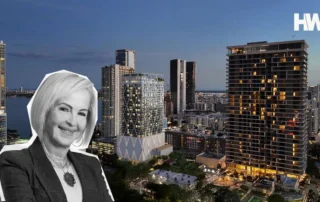
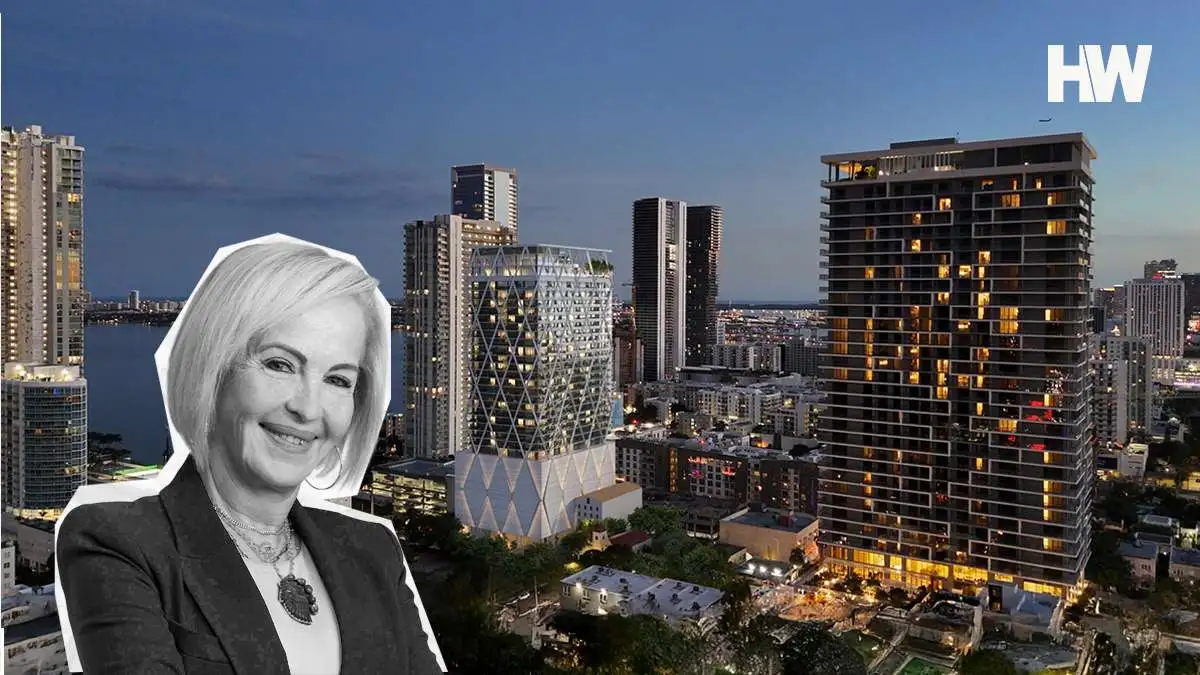
Miami’s luxury condo market has many success stories, but few rise to the level of Maile Aguila. After closing more than $1 billion in sales in 2024, Aguila has become one of the most influential forces in Brickell and downtown Miami. From her beginnings in accounting to becoming the go‑to expert for high‑end developments, her journey offers a blueprint for new agents: specialize, become hyper‑local, master the soft sell, and make yourself indispensable. Her story shows that passion, knowledge, and relentless learning are the keys to breaking into Miami’s booming luxury market.
Former NFL defensive tackle Kendal Vickers has traded stadium lights for property listings, launching a fast-rising real estate career after earning licenses in both Florida and Tennessee. Drawing on his construction background and the discipline he built in the league, Vickers quickly closed early deals and now leads sales for two major residential developments. Motivated by helping families find homes, he’s proving that with grit, education, and the right mindset, a powerful second act is possible—on or off the field.
A shifting housing market and evolving regulations are making title insurance more critical than ever in 2026. Cortes and Hay, a New Jersey title agency with over 50 years of experience, breaks down the essential factors every buyer and investor should understand—from the importance of thorough title searches to the growing need for investor protection, ALTA best practices, and expert guidance on 1031 exchanges. This updated snapshot helps consumers and future real estate professionals navigate today’s complex closing landscape with confidence.
Nearly half of today’s homebuyers expect to use AI in their buying journey, and Florida is becoming a leading testing ground. New platforms like Homa are automating most of the homebuying process, delivering major savings to buyers while still blending in human expertise. As both tech-driven tools and traditional agents adapt, the future of Florida real estate will rely on professionals who can combine smart technology with real-world experience.
Florida’s once‑red‑hot investment market is cooling fast, with cities like Orlando, Fort Lauderdale, and Jacksonville seeing steep drops in investor purchases. Rising insurance costs, swelling inventory, and squeezed profit margins are pushing investors to pause—or look elsewhere. But West Palm Beach stands apart, surging with luxury demand as it cements its status as “Wall Street South.”
With mortgage rates nearly a full point lower than last year and inventory slowly rising, 2026 is opening the door for more buyers to re-enter the market. Competition has cooled, bidding wars have eased, and sellers are more flexible than they’ve been in years. While winter weather temporarily slowed sales, spring is expected to bring renewed momentum. For buyers with steady finances and long‑term plans, this year may offer one of the most balanced markets since the frenzy of 2021–2022.

:quality(80)/cloudfront-us-east-1.images.arcpublishing.com/morningstar/GSRW3O6SIBE4NNTDL3KBGXHHYU.png "Morningstar Us Active/Passive Barometer For 2024 Reveals Trends In Fund Performance 2")
:quality(80)/cloudfront-us-east-1.images.arcpublishing.com/morningstar/FVUD4QYNQ5EIDCMVL5CBIE4NQE.png "Morningstar Us Active/Passive Barometer For 2024 Reveals Trends In Fund Performance 3")
:quality(80)/cloudfront-us-east-1.images.arcpublishing.com/morningstar/WWSWFEN4HRDQFMQAJQ2L6PNWLM.png "Morningstar Us Active/Passive Barometer For 2024 Reveals Trends In Fund Performance 4")