Mortgage Applications Slip as Market Sends Mixed Signals
The latest Mortgage Bankers Association (MBA) survey delivered a week of contrasting trends, painting a picture of a market that’s still trying to find its balance. For the week ending November 28, overall mortgage application volume declined by 1.4% on a seasonally adjusted basis — a shift influenced partly by the Thanksgiving holiday.
Purchase Activity Improves… Kind Of
Even as the broader Market Composite Index slipped, the seasonally adjusted Purchase Index posted a 3% rise compared to the previous week. But when unadjusted, purchase activity tells a different story — dropping 32% week‑over‑week.
Despite that dip, purchase applications are still performing better than they were a year ago, coming in at 17% higher. A complex combination of cooling home‑price growth and expanding housing inventory is nudging some buyers back into the game.
Refinances Cool Off as Rates Ease
The Refinance Index fell 4% from the prior week, even though long‑term mortgage rates declined. The refinance share of all mortgage activity also edged down slightly to 53%.
Interestingly, refinances remain 109% higher than they were during the same week in 2024 — highlighting how dramatic the rate landscape has shifted over the past year.
Rates Dip as Economic Clouds Gather
Interest rates slid across most loan types last week, following a drop in Treasury yields sparked by weakening labor market data and softer consumer confidence.
“The 30‑year fixed mortgage rate declined to 6.32% after steadily increasing over the past month,” said Joel Kan, MBA’s vice president and deputy chief economist.
Kan added that refinance activity slowed because many borrowers seem to be waiting for even better opportunities: lower rates.
Adjustable‑Rate Mortgages Rise
With uncertainty still swirling, adjustable‑rate mortgages (ARMs) saw a slight uptick, now making up 8% of total mortgage applications. ARMs often gain appeal during transitional rate environments as borrowers evaluate short‑term cost savings.
Click to explore why this matters for professionals
For real estate, mortgage, and finance professionals, market weeks like this highlight the importance of understanding rate trends and borrower psychology. Purchase activity rising despite economic “cloudiness” means motivated buyers are paying attention — and so should you.
Whether you’re advising clients or leveling up your expertise, staying current is essential. If you’re expanding your professional path, Cameron Academy offers licensing and continuing‑education programs across real estate, mortgage, insurance, and more to help keep you ahead of the curve.
Getting licensed or staying ahead in your career can be a journey—but it doesn’t have to be overwhelming. Grab your favorite coffee or tea, take a moment to relax, and browse through our articles. Whether you’re just starting out or renewing your expertise, we’ve got tips, insights, and advice to keep you moving forward. Here’s to your success—one sip and one step at a time!
Skyrocketing insurance premiums and soaring rebuilding costs are transforming communities across Southwest Florida, especially in the wake of Hurricane Ian. As longtime residents struggle to keep up with rising financial pressure, wealthier newcomers and stricter building standards are reshaping the identity of places like Fort Myers Beach. With insurance rates now driving home sales, triggering potential foreclosures, and squeezing both owners and renters, Florida’s middle-class families face a growing question: can they afford to stay in the state they love?
Florida’s insurance industry is stabilizing fast, with nearly 1.6 million policies shifting from Citizens to private insurers and litigation dropping sharply. Regulators report stronger market confidence, decreasing premiums, and renewed competition—signaling one of the healthiest periods the state has seen in years.
A Leon County judge has ordered the restart of arbitration for Citizens Property Insurance claims, directly conflicting with a previous ruling that halted the process as potentially unconstitutional. With more than 400 cases now back in motion, real estate, insurance, and mortgage professionals can expect renewed activity in claim disputes and fresh uncertainty as Florida courts clash over the legality of Citizens’ arbitration system.
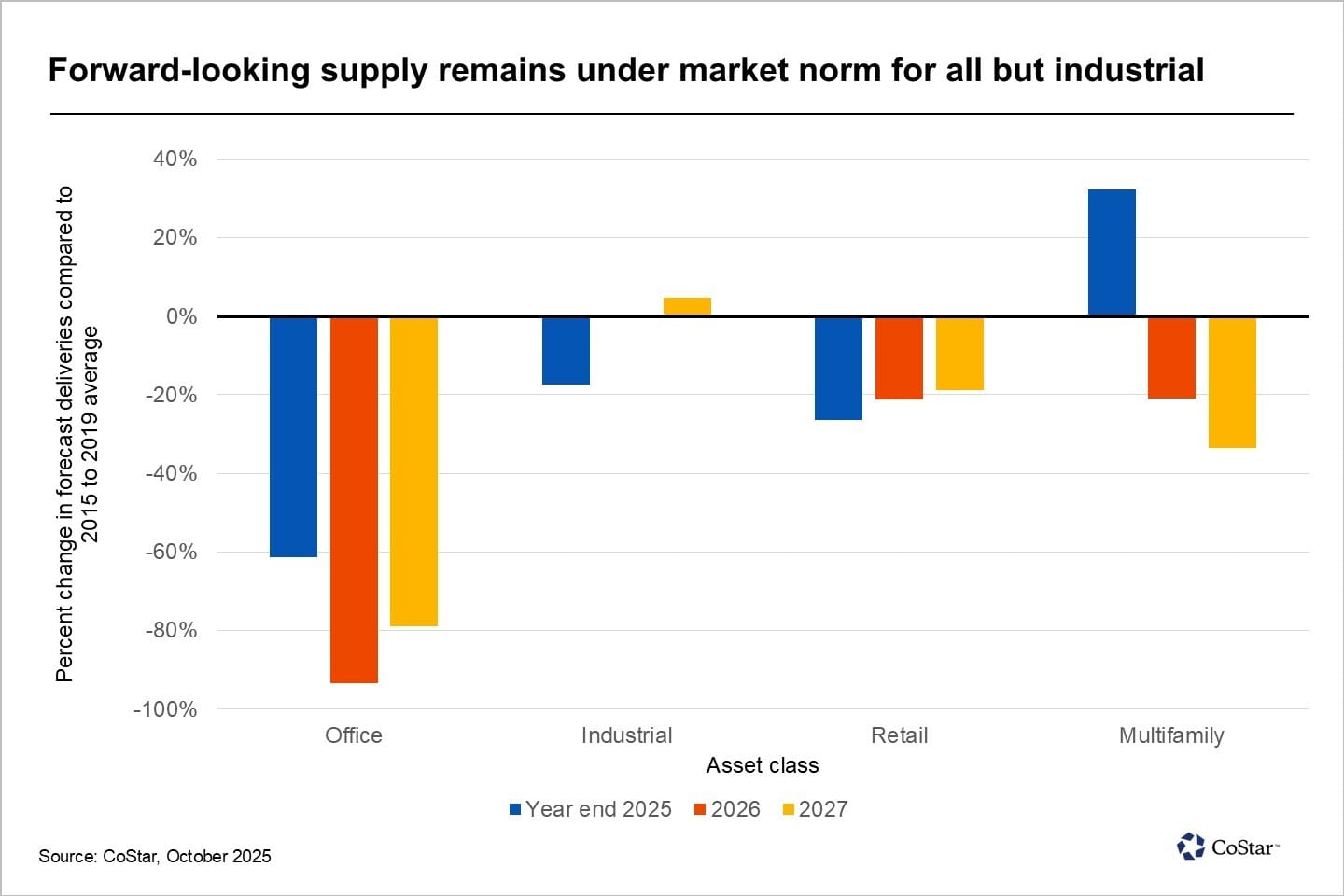
The DFW market is transitioning into a new construction phase marked by a slowdown in office development, a more selective approach to industrial projects, and an evolving housing landscape shaped by affordability and population growth. Developers are recalibrating their priorities, and for real estate professionals, understanding these shifts offers a critical edge in navigating—and capitalizing on—the next phase of the metroplex’s growth.
A new federal lawsuit claims Zillow pushed homebuyers toward Zillow Home Loans by rewarding affiliated agents with valuable leads — all without proper disclosure. The suit alleges undisclosed incentives, referral quotas, and potential RESPA violations, raising major concerns about steering, fiduciary duties, and Zillow’s expanding mortgage ambitions.
The mortgage industry is evolving fast, and the lenders who come out on top will be those who innovate without uprooting what already works. By building on strong technology foundations, streamlining workflows and adopting smart automation, lenders can reduce costs, improve customer experience and stay resilient in any market cycle. This article breaks down why innovation matters now, how a stable tech ecosystem protects lenders in volatile conditions and why small, strategic steps can drive long-term transformation.