Mortgage CEO Barred in 21 States After Education Fraud Settlement Shakes the Industry
A multistate enforcement action has shaken the mortgage industry as Patrick Terrance Donlon, CEO of Trusted American Mortgage, agreed to a sweeping settlement that bans him from operating as a mortgage loan originator in 21 states—19 of them permanently. The Conference of State Bank Supervisors (CSBS) announced the agreement, which also includes a $31,000 penalty and strict conditions limiting Donlon’s involvement in financial services leadership roles for two years.
A Deep Dive Into the Allegations
According to settlement documents filed with the California Department of Financial Protection & Innovation, Donlon disputed the accusations but chose to resolve the matter to avoid the “time, expense, and uncertainty” of individual investigations across multiple states.
The allegations centered on a serious breach of the SAFE Act: Donlon was accused of having another person complete 22 pre‑licensing courses and three continuing education courses on his behalf—an unmistakable violation of federal and state licensing standards.
The CSBS and the American Association of Residential Mortgage Regulators coordinated the investigation after receiving a tip in early 2025, prompting a multistate response through the Nationwide Multistate Licensing System (NMLS).
Where the Ban Applies
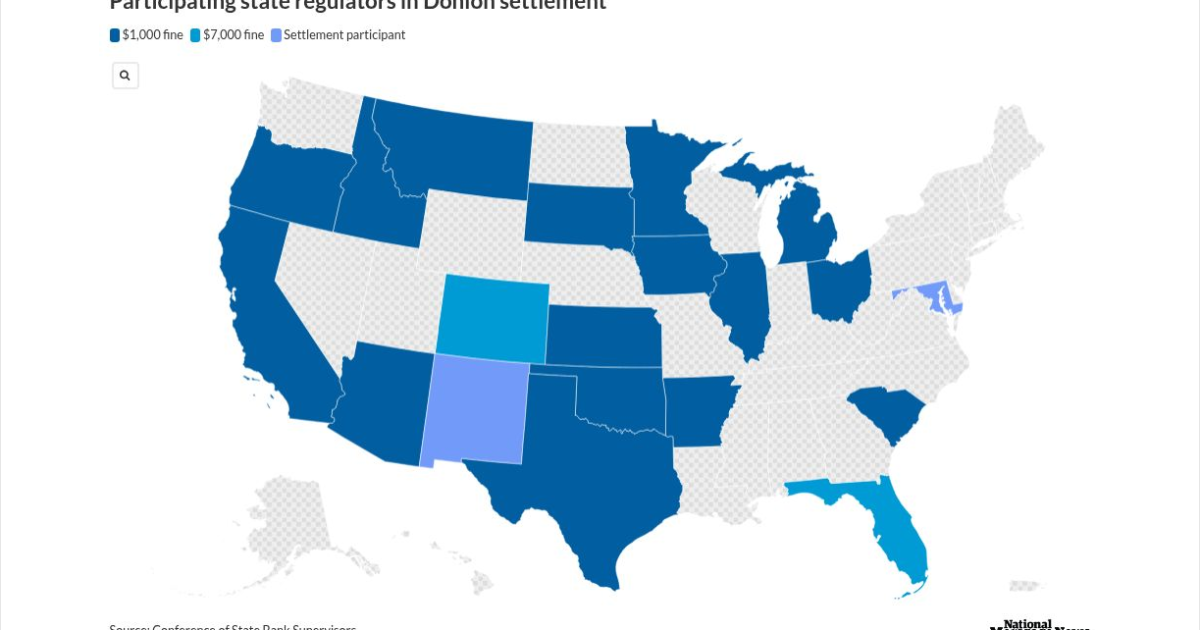
The action involved 21 states, led by regulators in Arkansas, Colorado, Florida, Iowa, Kansas, and Texas. Other participating states include Arizona, California, Idaho, Illinois, Maryland, Michigan, Minnesota, Montana, New Mexico, Ohio, Oklahoma, Oregon, South Carolina, and South Dakota.
Donlon is permanently barred from the mortgage industry in 19 of those states. Only Colorado and Florida—where he may reapply in two years—left a pathway for reinstatement, contingent upon penalty payments and completing additional verified education.
Financial Penalties and Professional Fallout
Colorado and Florida will each receive $7,000 from the settlement, while the remaining participating states receive $1,000 each. Maryland and New Mexico—where applications were pending—are excluded from the financial distribution.
Beyond the bans, Donlon is prohibited from serving as a control person or qualified individual for any NMLS‑registered entity for two years. Trusted American Mortgage has already removed him from those internal roles.
“We require that licensed professionals complete their continuing education to ensure our licensees have the highest levels of competence and ethics,” said Susana Soriano, Acting Director of the Illinois Division of Banking. “With this action, the residential real estate market in Illinois has been protected.”
A Growing Trend of Education Fraud Crackdowns
This is not the first time CSBS has coordinated widespread actions targeting education fraud. In 2022, more than 440 loan officers settled claims with 44 state agencies for falsifying continuing education. Regulators have made it abundantly clear: education shortcuts will not be tolerated.
A Critical Reminder for Industry Professionals
For mortgage loan originators, this case reinforces the importance of legitimate education—both legally and ethically. Verified pre‑licensing and continuing education aren’t mere checkboxes; they are the cornerstone of safe, compliant lending practices.
At Cameron Academy, we understand how crucial it is for professionals to meet their education requirements truthfully and confidently. Our approved mortgage education programs are built to keep you compliant, protected, and prepared—without shortcuts or question marks.
For more details, view the original report at National Mortgage News:
Read the full article
More Articles
Getting licensed or staying ahead in your career can be a journey—but it doesn’t have to be overwhelming. Grab your favorite coffee or tea, take a moment to relax, and browse through our articles. Whether you’re just starting out or renewing your expertise, we’ve got tips, insights, and advice to keep you moving forward. Here’s to your success—one sip and one step at a time!
Los Alamitos Race Course is facing its most serious crisis in years after 18 horses died in 2025, prompting regulators to warn the track that its racing license is at risk without immediate safety reforms. Following three catastrophic injuries in a single day, the California Horse Racing Board has ordered urgent changes—including more veterinarians, stricter medication rules, and enhanced on‑track medical support—as pressure mounts for stronger oversight in a sport already under national scrutiny.
Canadian investors have poured more than US$5.8 billion into U.S. commercial real estate this year, making the U.S. their top destination even amid a lingering tariff dispute. Tight inventory in Canada and greater deal availability south of the border are driving the trend, with data centers and industrial properties emerging as the hottest targets for 2025.
Florida’s insurance commissioner says even industry pros struggle to read today’s 150‑page homeowners policies—leaving residents shocked when hurricane claims are denied. With rising premiums, high replacement costs, and widespread confusion over exclusions like flood and water damage, the state is pushing for simpler, clearer policy language so homeowners know what they’re actually covered for before the next storm hits.
Following the 2025 elections, major metros like New York, Chicago, Miami, Los Angeles, and Boston are implementing policy shifts that could reshape property values, rental income, development timelines, and investment strategy heading into 2026. From New York’s push toward aggressive rent reform to Chicago’s sustainability mandates and Miami’s uncertain mayoral runoff, these changes signal a new era where local politics increasingly dictate market performance. This breakdown highlights the biggest post‑election real estate pivots and what they mean for investors, agents, and finance professionals preparing for a rapidly evolving landscape.
Florida’s Insurance Commissioner is sounding the alarm after thousands of homeowners discovered—only after hurricanes Helene and Milton—that the coverage they thought they had didn’t exist. With nearly 150,000 unpaid claims tied to misunderstood flood exclusions, water‑damage caps, and buried policy clauses, state leaders are pushing to simplify the dense, confusing documents most Floridians never read. As insurance costs remain one of the state’s top concerns, this growing complexity is creating a massive opportunity for real estate, mortgage, and insurance professionals to guide consumers before disaster strikes.
Florida’s insurance market is reliving an old crisis under a new name. Despite reforms meant to stabilize the system, homeowners are being forced out of Citizens and into pricier policies from small insurers with shaky financial histories. Companies tied to past insolvencies are returning with fresh branding, while highly rated carriers continue to deny a majority of claims. With political influence muddying regulation and climate risks rising, experts warn that only a full structural overhaul—not cosmetic reforms—can restore confidence for homeowners, agents, and the entire real estate market.