Mortgage Rate Forecast February 2026: Are We Finally Stabilizing?
Mortgage rates closed out January at their lowest point since 2022, giving homebuyers, investors and real estate professionals a moment of cautious optimism. According to Bankrate’s latest figures, the average 30-year mortgage rate settled at 6.18% — matching the lowest level we’ve seen in nearly four years.
But the big question remains: Will rates continue to drop as we move through February, or is this as good as it gets?
What the Federal Reserve Is Signaling
On January 28, the Federal Reserve announced another pause to its benchmark interest rate, citing a stable and mostly healthy economy. While the Fed doesn’t directly set mortgage rates, its decisions and statements heavily influence long‑term rate expectations.
“Mortgage rates are unlikely to move meaningfully lower until long-term inflation expectations ease. The main wildcard remains government intervention, which could push rates artificially lower.”
— Stephen Kates, Financial Analyst, Bankrate
With the Fed holding steady and inflation still a concern, analysts suggest the chances of sustained downward movement in mortgage rates remain slim for now.
Will Mortgage Rates Keep Falling?
Most housing economists say: probably not.
Fannie Mae forecasts that mortgage rates will hover near the 6% mark through 2026 and into early 2027. And loanDepot’s chief economist Jeff DerGurahian notes that unless unemployment rates rise significantly, rates may stay pinned between 6.0% and 6.1%.
Other economists warn that rates may even rise slightly as political and economic uncertainty ramps up heading into the spring buying season.
“Political uncertainty, both domestically and internationally, is going to be an important factor in rate trajectory, leading to volatility and probably higher rates in the weeks ahead.”
— Lisa Sturtevant, Chief Economist, Bright MLS
Current Trends Worth Watching
High mortgage rates continue to lock many homeowners into their lower‑rate loans, limiting inventory in many markets. At the same time, national home prices hit $405,400 in December — a record for that month, according to the National Association of Realtors.
Interactive Tip: Curious how current rate trends compare across multiple data sources? Bankrate and Freddie Mac track similar long-term patterns, but Bankrate’s figures include more fees. It’s worth analyzing both if you’re advising clients.
What You Should Do If You’re Getting a Mortgage This Year
Mortgage professionals and buyers can still find opportunities in today’s rate environment. Here are key strategies to navigate 2026 effectively:
1. Improve your credit score. Higher credit scores — ideally 780 or above — unlock the lowest mortgage rates.
2. Save for a larger down payment. Putting down 20% helps you avoid costly mortgage insurance and can secure a better rate.
3. Understand your debt-to-income ratio. Lenders rely heavily on DTI when assessing risk. If you’re unsure where you stand, use a DTI calculator to get precise insight.
Thinking About Advancing Your Real Estate or Mortgage Career?
Whether you’re expanding your skill set or entering the field, strong market knowledge is your best asset. At Cameron Academy, we provide state‑approved, industry‑leading training for:
• Real estate professionals (especially in Florida)
• Mortgage loan originators
• Insurance and finance professionals
• Medical and technical industries across all 50 states
Stay ahead of market shifts and position yourself as the expert your clients rely on.
Final Thoughts: A Market to Watch Closely
February’s mortgage rate environment looks stable — but stability can be fragile. Rates may remain near 6%, but volatility is highly possible as political, economic, and inflationary pressures evolve.
For professionals navigating real estate or mortgage lending in 2026, staying informed isn’t optional — it’s essential.
For deeper analysis, interactive tools and the latest rate trends, explore the full report at Bankrate: bankrate.com
More Articles
Getting licensed or staying ahead in your career can be a journey—but it doesn’t have to be overwhelming. Grab your favorite coffee or tea, take a moment to relax, and browse through our articles. Whether you’re just starting out or renewing your expertise, we’ve got tips, insights, and advice to keep you moving forward. Here’s to your success—one sip and one step at a time!
A federal judge has denied class‑certification in the high‑stakes Batton commission lawsuit, delivering a temporary win for NAR and major brokerages while leaving the door open for plaintiffs to try again. With as much as $3.6 billion in potential damages on the line and nearly 80% of the proposed class now disqualified due to conflicts with earlier settlements, the case stands at a pivotal moment. Real estate professionals nationwide — especially in Florida — should watch closely, as the ruling could shape the future of buyer‑agent compensation.
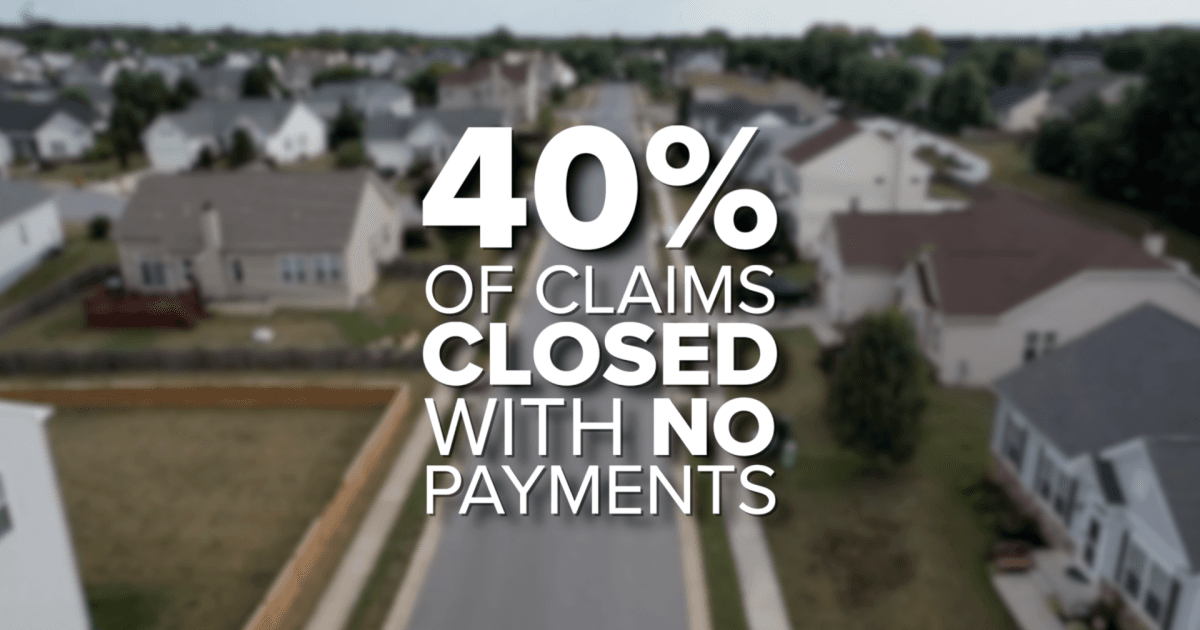
Florida homeowners are paying nearly double the national average for insurance, with premiums now reaching $5,838 a year and denied claims topping 40 percent. Residents report tripled rates, underpaid claims, and mounting financial strain, pushing lawmakers in Tallahassee to propose caps on rate hikes, tax breaks for storm‑proof upgrades, and tighter oversight of insurers. These developments are reshaping real estate and insurance conversations across the state as professionals brace for major industry shifts.
Berkshire County closed Q3 2025 with strong momentum as sales, dollar volume, and buyer competition all climbed year‑over‑year. Inventory showed slight improvement but remains far below demand, keeping the market tilted toward sellers. Single‑family homes and condos led the surge, while multifamily, land, and commercial sectors showed mixed performance. The region continues to stand out as one of New England’s most resilient real estate markets heading into 2026.
Florida homeowners now face the highest insurance burdens in the nation, with average premiums topping $5,800 per year—roughly $3,000 above the national average. As rates triple for some residents, more Floridians are skipping coverage altogether, while denied claims and slow payouts add to the frustration. With over 40 percent of claims closing with no payment and lawmakers battling over reform in Tallahassee, the crisis is reshaping budgets, homebuying decisions, and the real estate industry statewide.
Global capital is surging back into real estate—and this time, investors want more control. Colliers’ 2026 Global Investor Outlook reveals a major shift toward direct investments, joint ventures, and hands‑on strategies as money moves across North America, Europe, and the booming Asia‑Pacific markets. Data centers are now the top‑funded asset class, offices are staging a comeback, and adaptive reuse is reshaping cities worldwide. For real estate and finance professionals, the message is clear: opportunity is accelerating, and those with the right education and licensing will be at the center of the action.
The Fed’s recent rate cuts should have offered relief to commercial real estate—but long-term borrowing costs haven’t budged. While short‑term rates are falling, stubborn long‑term yields, broken deal math, and a trillion‑dollar refinancing wave are keeping the market frozen. For investors and professionals across Florida and the nation, understanding this disconnect is key to navigating the opportunities and risks emerging in today’s shifting CRE landscape.