Will Mortgage Rates Drop Faster Than Expected in 2026?
Just a few days into 2026, the housing market has already delivered a surprise — and for once, it’s a good one. A new policy shift could accelerate the long‑awaited drop in mortgage rates, potentially pushing them below earlier forecasts and lifting homebuyer confidence nationwide.
This insight comes from a new analysis by Zillow, which explores how the government-sponsored enterprises’ plan to purchase $200 billion in mortgage‑backed securities could meaningfully lower borrowing costs. You can explore their full breakdown here: Zillow Research Article
What Sparked This Unexpected Optimism?
The initial announcement alone sent ripples through the market. Within one day, mortgage rates dipped by 22 basis points, landing at an attention-grabbing 5.99% — sliding under the psychological 6% barrier many buyers have been waiting for.
For months, industry professionals have expressed frustration that mortgage rates were not falling in line with the Federal Reserve’s rate cuts. Since mid‑2024, the Fed has lowered its benchmark rate by 175 bps, while mortgage rates barely budged. The MBS purchase initiative could finally close that stubborn gap.
Key Projections for 2026
Average mortgage rates could fall to 5.8% in 2026 (previously projected: 6.1%).
Existing home sales may grow by 6.4% year‑over‑year.
Mean sales price growth edges up to 7.8%.
Inventory could tighten as increased demand outpaces new listings.
A 33‑bps reduction in rates saves the average buyer about $60/month.
Why This Matters for Buyers and Sellers
If rates genuinely fall into the mid‑5% range, affordability improves dramatically — especially for buyers sidelined over the last two years. Lower rates give buyers greater purchasing power, while also motivating more homeowners to list as rate lock pressure eases.
Zillow’s modeling also reveals an interesting pattern: while overall home value appreciation remains modest (1–2%), the average sales price could grow faster because more transactions may occur in higher‑value regions such as the Southwest and West.
If this geographic shift plays out, total transaction value could grow up to 13% this year — a significant lift for agents, lenders, and investors.
Economic Ripple Effects
As homeowners who purchased at higher rates refinance, their reduced monthly payments free up valuable disposable income. This means stronger cash flow, more consumer spending, and a healthier economic outlook — all of which help reinforce the real estate environment.
For industry professionals, this shift is especially meaningful. More refinancing activity, more new listings, and an uptick in transaction volume create a more dynamic 2026.
What This Means for Real Estate Professionals
For agents, lenders, and mortgage specialists, 2026 could be a year of renewed movement. More inventory loosens buyer bottlenecks. Lower rates encourage new entrants. And a more active market means more opportunities.
If you’re building or advancing a career in real estate, mortgage, or another licensed profession, this is the perfect moment to sharpen your skills. Cameron Academy continues to empower professionals across Florida and all 50 states with licensing education and career‑boosting programs engineered for today’s fast‑shifting marketplace.
Final Takeaway
If the MBS purchase plan moves forward as expected, mortgage rates could fall faster — and further — than predicted. That would mean stronger homebuyer affordability, healthier sales activity, and a more energized housing market throughout 2026.
The year is young — but the momentum is real.
More Articles
Getting licensed or staying ahead in your career can be a journey—but it doesn’t have to be overwhelming. Grab your favorite coffee or tea, take a moment to relax, and browse through our articles. Whether you’re just starting out or renewing your expertise, we’ve got tips, insights, and advice to keep you moving forward. Here’s to your success—one sip and one step at a time!
Palm Beach protests erupted as intensified immigration enforcement reached the heart of Trump’s hometown, while millions in Florida brace for rising health care costs as key subsidies near expiration. At the same time, state regulators boldly declare the long‑running property insurance crisis “over,” leaving homeowners and industry professionals questioning whether true stability has finally returned.
As 2025 comes to a close, the real estate industry is shifting from uncertainty to strategic expansion. According to DWS’s Year-End 2025 Outlook, property values are stabilizing after years of repricing, capital is concentrating on high-quality assets, and Sunbelt markets—especially Florida—continue to outperform. With technology enhancing rather than replacing professional expertise, 2026 is shaping up to reward professionals who stay informed, skilled, and strategically positioned for the next cycle.
Texas capital is pouring into San Francisco’s long‑struggling commercial real estate market, with Lone Star investors buying up discounted Union Square buildings and signaling what many experts believe is the city’s market bottom. As office activity and confidence begin to return, buyers from across the country are joining the rush, turning SF’s post‑pandemic slump into one of the nation’s hottest bargain opportunities.
With 2026 HousingWire Tech100 nominations closing on December 19, the housing tech sector is accelerating at full speed. AI‑powered data platforms, digital closing breakthroughs, embedded insurance growth, and next‑generation servicing automation are reshaping real estate, mortgage, insurance, and finance. From ATTOM’s AI‑ready property intelligence to Hapi Homes’ Martha Stewart design revival, Obie’s nationwide expansion, Outamation’s servicing automation, and ServiceLink’s next‑level borrower scheduling, this year’s standout innovators are defining the future of the housing economy.
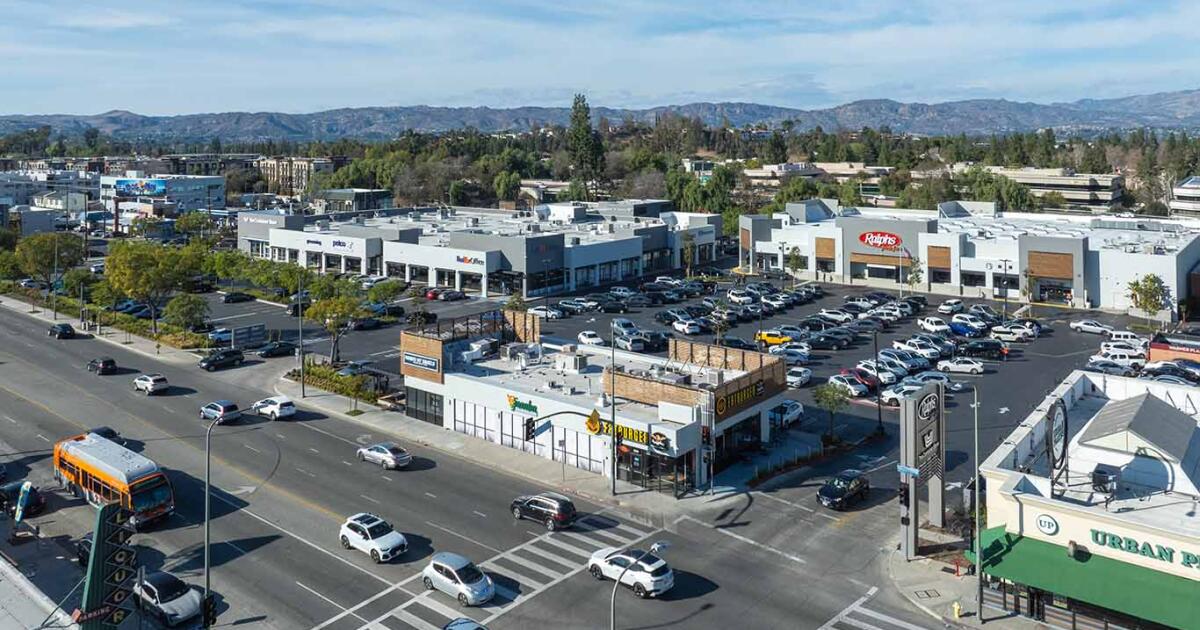
Space Investment Partners has acquired the 123,402‑square‑foot Topanga Gateway retail center in Woodland Hills for $64 million, marking another significant move in the firm’s expanding grocery‑anchored investment strategy. Located at a high‑visibility intersection and 97% occupied at the time of sale, the property strengthens the company’s push toward $500 million to $1 billion in retail acquisitions for 2026, underscoring continued investor confidence in necessity‑based retail assets.
After the Federal Reserve’s final 2025 rate cut on December 10, mortgage markets are recalibrating, giving buyers and homeowners a glimmer of relief. Rates remain lower than earlier in the year, with 30-year fixed loans at 6.12% and refinances dipping as well. This shift may spark renewed activity for buyers, refinancers, and real estate professionals heading into 2026.