Mortgage Rates Slip Just in Time for Christmas — But Buyers Stay on the Sidelines
As Americans wrapped gifts and prepared for Christmas festivities, mortgage rates delivered a small but meaningful holiday surprise.
According to SAN News, the average 30-year fixed mortgage rate dipped again this week, landing at 6.18% — slightly down from last week’s 6.21% and notably lower than last year’s 6.85%.
But here’s the twist: despite the rate drop, Americans still aren’t rushing to buy homes. Mortgage applications for both purchases and refinances have fallen to their lowest point in three months, according to the Mortgage Bankers Association — a sign that uncertainty continues to shape buyer behavior.
Not All Rates Followed the Trend
While the 30-year rate gave buyers a gift, the 15-year mortgage rate actually ticked upward — rising to 5.50% from 5.47%. One year ago, it averaged 6%. A reminder that even in the holiday season, the mortgage landscape keeps everyone on their toes.
Economists cautiously predict that mortgage rates will hover slightly above 6% through the coming year, suggesting a slow-moving stabilization even as buyer enthusiasm remains muted.
What’s Really Driving These Rates?
Several factors influence mortgage pricing, but the Federal Reserve inevitably takes center stage. While the Fed has issued three rate cuts to end 2025, mortgage rates didn’t immediately respond after the first September cut — largely because they track the 10-year Treasury yield.
As of Wednesday at noon, that yield had nudged upward to 4.15%, compared to 4.12% the previous week. A subtle movement, but meaningful for real estate professionals watching future trends.
So, How’s the Housing Market Holding Up?
Despite the recent dip, mortgage rates have stayed relatively steady since late October — when they hit their lowest point in more than a year. After touching 7% in January, they drifted lower ahead of the Federal Reserve’s trio of cuts in
September,
October,
and
early December.
Buyers navigating today’s market are encountering a more favorable landscape than last year: increased listings, more price reductions, and longer days on market. On paper, it’s a stronger buyer-friendly scenario — but reality isn’t quite that simple.
Affordability remains the core challenge. First-time buyers in particular are still struggling amid economic uncertainty. Home purchase cancellations are climbing, supported by recent
Redfin data
and consumer sentiment surveys reflecting nervousness about the broader economy.
What This Means for Real Estate Professionals
Market volatility means professionals today need sharper skills, stronger insight, and up-to-date training. Whether you’re building a new career or deepening your expertise, understanding rate shifts, buyer psychology, and economic signals is more important than ever.
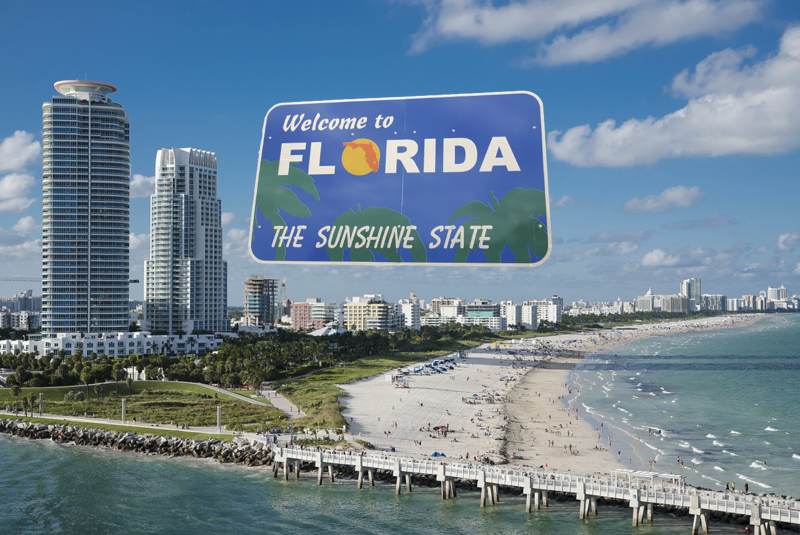
At Cameron Academy, we empower real estate and mortgage professionals through flexible, state-approved licensing and continuing education across all 50 states — including top-rated Florida real estate programs for those growing their careers in one of the nation’s most dynamic markets.
For deeper insight into this developing story, explore the original reporting from SAN News through the links above. Staying informed remains one of the most powerful tools any professional can carry into the new year.
More Articles
Getting licensed or staying ahead in your career can be a journey—but it doesn’t have to be overwhelming. Grab your favorite coffee or tea, take a moment to relax, and browse through our articles. Whether you’re just starting out or renewing your expertise, we’ve got tips, insights, and advice to keep you moving forward. Here’s to your success—one sip and one step at a time!
At the 2025 Florida Chamber Insurance Summit, Insurance Commissioner Mike Yaworsky announced that Florida’s long‑volatile insurance market has at last regained stability. After a decade marked by runaway litigation, inflated claims, and insurer exits, the sweeping tort and insurance reforms passed in 2022 and 2023 have reversed the decline. Litigation has fallen to pre‑2019 levels, new carriers and reinsurers are entering the state, and consumers now have more options than they’ve seen in years. Yaworsky cautioned, however, that rolling back these reforms would undo the progress and impose massive costs on Floridians.
Driving with an expired license is illegal in nearly every state, and in 2025 the consequences are more serious than most people realize. From fines and potential jail time to denied insurance claims and professional repercussions, even a simple lapse can create a ripple effect—especially for licensed professionals in real estate, insurance, mortgage, and finance. This quick morning read breaks down the real penalties, why professionals should pay attention, and how to renew your license before it becomes a costly mistake.
A new wave of chat‑based AI tools is reshaping how quickly real estate professionals can prepare and enhance listing photos. By simply describing changes—like brightening a kitchen, removing clutter, or fully staging a room—agents and property managers can produce high‑impact images in minutes. This technology not only speeds up market readiness but also boosts renter and buyer engagement by presenting spaces at their full potential from the very first glance.
The rental market is gearing up for major shifts in 2026, from rising compliance demands and surging insurance costs to the rapid adoption of AI‑powered property management tools. Tenants’ expectations are evolving just as quickly, pushing owners to deliver lifestyle‑driven communities rather than simple lease agreements. Investors and operators who embrace technology, stay ahead of regulatory changes and prioritize renter experience will be best positioned to thrive in the coming year.
Artificial intelligence is transforming real estate at lightning speed, turning days of manual work into minutes of automated insight. With the AI real estate market projected to soar from $222.65B in 2024 to over $975B by 2029, professionals who understand this technology now will lead the industry tomorrow. From smarter valuations to automated workflows and predictive analytics, AI is redefining how agents, investors, and property managers operate—making today the perfect time to embrace the tools shaping the future of real estate.
As AI takes over the repetitive tasks that slow agents down, industry expert Matt Britton says the future of real estate belongs to professionals who combine intelligent automation with irreplaceable human trust. Speaking to thousands at NAR NXT 2025, Britton emphasized that the next wave of success will come from agents who embrace AI workflows while doubling down on what technology can’t replicate: empathy, creativity, and meaningful client relationships.