Mortgage Rates Slip Just in Time for Christmas — But Buyers Stay on the Sidelines
As Americans wrapped gifts and prepared for Christmas festivities, mortgage rates delivered a small but meaningful holiday surprise.
According to SAN News, the average 30-year fixed mortgage rate dipped again this week, landing at 6.18% — slightly down from last week’s 6.21% and notably lower than last year’s 6.85%.
But here’s the twist: despite the rate drop, Americans still aren’t rushing to buy homes. Mortgage applications for both purchases and refinances have fallen to their lowest point in three months, according to the Mortgage Bankers Association — a sign that uncertainty continues to shape buyer behavior.
Not All Rates Followed the Trend
While the 30-year rate gave buyers a gift, the 15-year mortgage rate actually ticked upward — rising to 5.50% from 5.47%. One year ago, it averaged 6%. A reminder that even in the holiday season, the mortgage landscape keeps everyone on their toes.
Economists cautiously predict that mortgage rates will hover slightly above 6% through the coming year, suggesting a slow-moving stabilization even as buyer enthusiasm remains muted.
What’s Really Driving These Rates?
Several factors influence mortgage pricing, but the Federal Reserve inevitably takes center stage. While the Fed has issued three rate cuts to end 2025, mortgage rates didn’t immediately respond after the first September cut — largely because they track the 10-year Treasury yield.
As of Wednesday at noon, that yield had nudged upward to 4.15%, compared to 4.12% the previous week. A subtle movement, but meaningful for real estate professionals watching future trends.
So, How’s the Housing Market Holding Up?
Despite the recent dip, mortgage rates have stayed relatively steady since late October — when they hit their lowest point in more than a year. After touching 7% in January, they drifted lower ahead of the Federal Reserve’s trio of cuts in
September,
October,
and
early December.
Buyers navigating today’s market are encountering a more favorable landscape than last year: increased listings, more price reductions, and longer days on market. On paper, it’s a stronger buyer-friendly scenario — but reality isn’t quite that simple.
Affordability remains the core challenge. First-time buyers in particular are still struggling amid economic uncertainty. Home purchase cancellations are climbing, supported by recent
Redfin data
and consumer sentiment surveys reflecting nervousness about the broader economy.
What This Means for Real Estate Professionals
Market volatility means professionals today need sharper skills, stronger insight, and up-to-date training. Whether you’re building a new career or deepening your expertise, understanding rate shifts, buyer psychology, and economic signals is more important than ever.
At Cameron Academy, we empower real estate and mortgage professionals through flexible, state-approved licensing and continuing education across all 50 states — including top-rated Florida real estate programs for those growing their careers in one of the nation’s most dynamic markets.
For deeper insight into this developing story, explore the original reporting from SAN News through the links above. Staying informed remains one of the most powerful tools any professional can carry into the new year.
More Articles
Getting licensed or staying ahead in your career can be a journey—but it doesn’t have to be overwhelming. Grab your favorite coffee or tea, take a moment to relax, and browse through our articles. Whether you’re just starting out or renewing your expertise, we’ve got tips, insights, and advice to keep you moving forward. Here’s to your success—one sip and one step at a time!
Florida’s property insurance system is once again spiraling as new “market-friendly” reforms fail to stabilize rising premiums, insurer failures, and mounting homeowner frustration. Despite aggressive efforts to shift policyholders from Citizens to private carriers, many of the new insurers stepping in are tied to past insolvencies, questionable ratings, and political influence. For real estate, mortgage, and insurance professionals, these systemic cracks are reshaping closings, valuations, and risk across the state—making it essential to stay ahead of ongoing regulatory and market shifts.
Commercial real estate is heading into a turning‑point year in 2026, driven by economic uncertainty, AI‑powered transformation, shifting demographics and rising portfolio risk. Insights from The Counselors of Real Estate highlight the top issues shaping the year ahead—from fiscal pressures and capital constraints to housing shortages, global volatility and the future of data‑driven decision‑making. For real estate, mortgage, insurance and finance professionals, these trends offer a clear roadmap for staying competitive and preparing for the next wave of industry change.
AI-powered tools, fraud protection systems, and smarter MLS integrations are sweeping through the real estate industry as major organizations adopt new technologies. From RealReports hitting its 50th partnership to BeachesMLS unveiling instant AI home visualizations and Doorify boosting security, professionals are seeing rapid advancements that promise sharper insights, safer transactions, and more efficient rental workflows. This evolving tech landscape underscores the importance of staying educated and adaptable — especially for agents preparing for a competitive, AI-enhanced 2025 market.
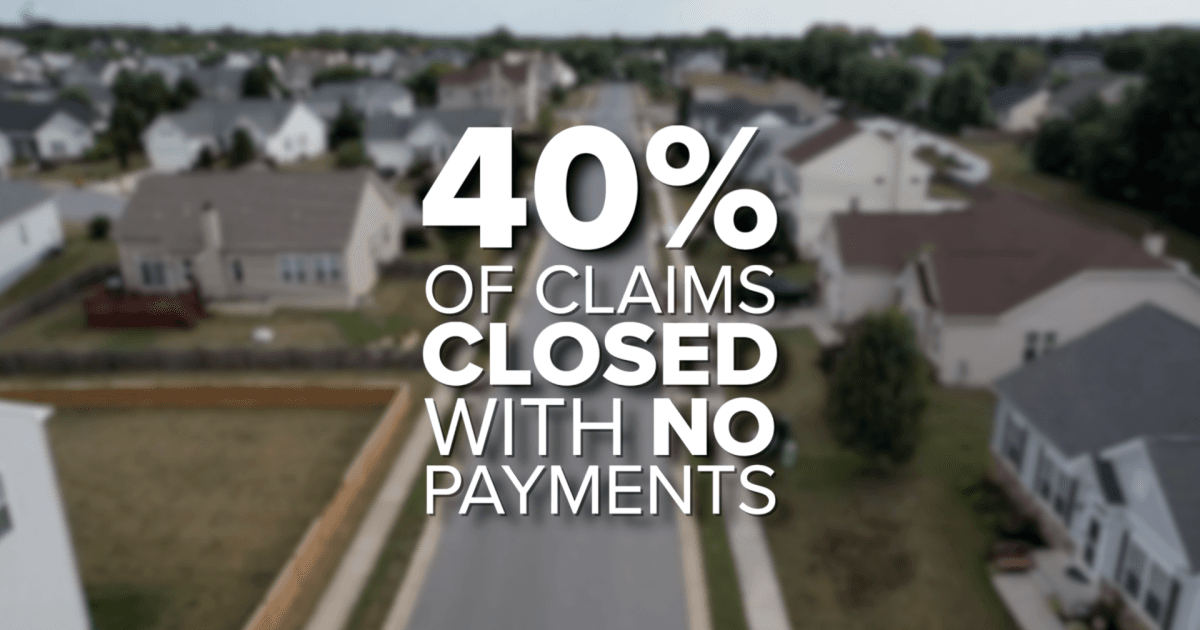
Florida homeowners are being hit with the highest insurance premiums in the nation, averaging $5,838 per year—nearly double the U.S. average. As costs skyrocket, many residents are reporting denied claims, non‑renewals, and impossible financial choices. New investigations reveal that more than 40 percent of claims in Florida close with no payment, while lawmakers push for transparency, fair pricing, and meaningful reform to stabilize a market that’s rapidly becoming unsustainable.
Vend Park, a Boston-based proptech company, has raised $17.5 million in Series A funding to reinvent parking as a high-performing commercial real estate asset. By replacing outdated operator–vendor systems with a unified AI-driven platform, Vend Park is helping major property owners boost NOI by up to 30%, slash operating costs, and modernize the tenant experience. As the company expands from three to fifteen cities and partners with giants like Nuveen and Jamestown, its technology highlights a major shift: real estate professionals must now understand AI, automation, and digital infrastructure to stay competitive.
Keller Williams Realty Atlanta Partners has formed an exclusive partnership with Southeast Mortgage, Georgia’s largest non‑bank mortgage lender. The collaboration promises faster, tech‑enhanced transactions for both agents and homebuyers, combining real estate expertise with streamlined mortgage services. This move reflects a growing trend toward integrated real‑estate ecosystems designed to reduce delays, boost transparency, and modernize the homebuying experience.