Why Mortgage Rates Just Hit Their Lowest Level Since 2024
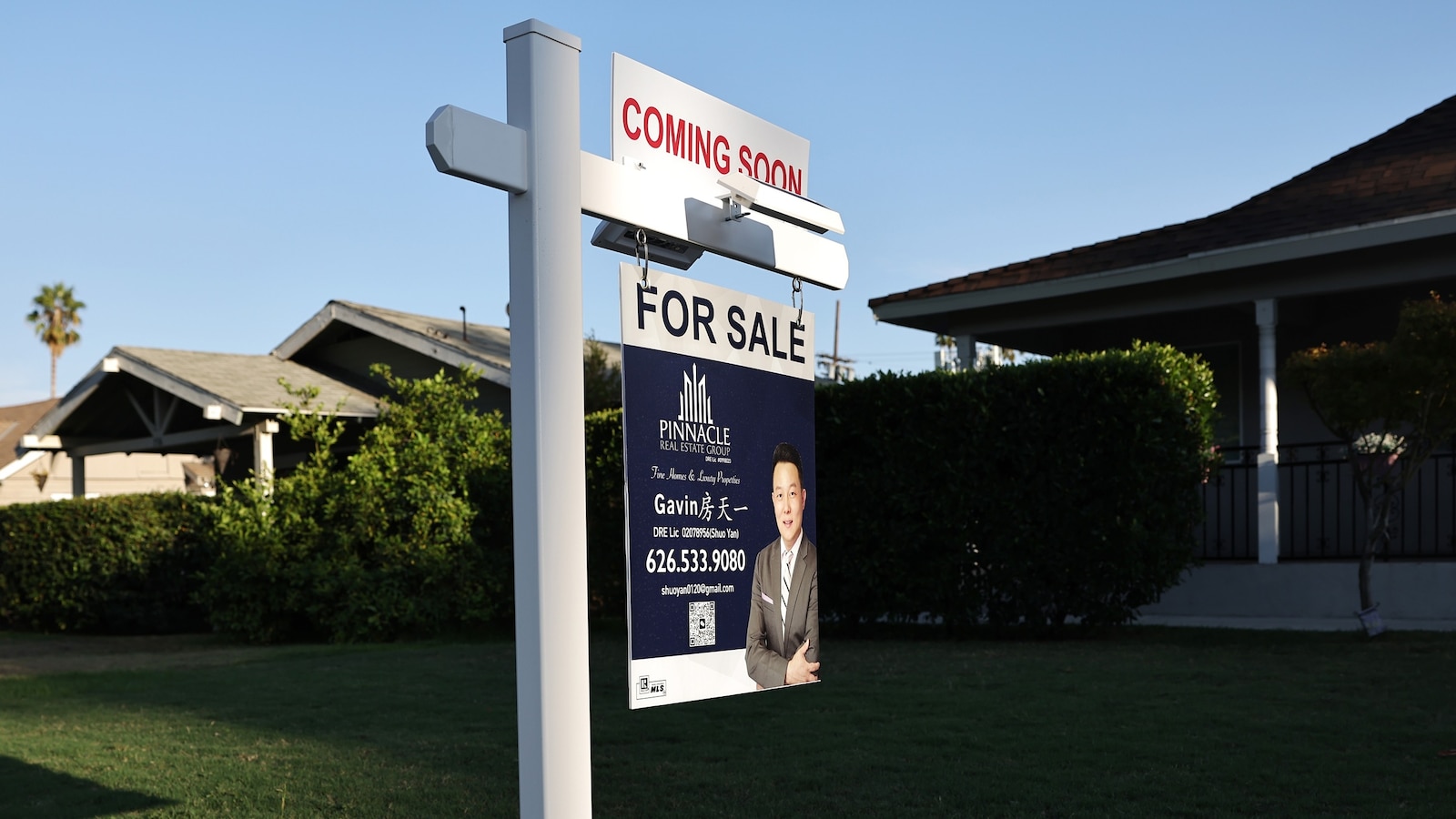
Home for sale with sign

Homebuyers kicking off 2026 with a fresh search may finally be catching a break: mortgage rates have fallen to their lowest level in 15 months, signaling a potential thaw in what has been one of the most challenging housing markets in years.

The average interest rate on a 30-year fixed mortgage now sits around 6.12% to 6.15%, according to data from Freddie Mac. That’s a meaningful drop from nearly 7% earlier in 2025 and significantly lower than the 7%+ levels seen just last year.

Even a single percentage point drop can save homeowners thousands—or tens of thousands—over the life of a loan, according to Rocket Mortgage.

Why Are Rates Falling Now?

Mortgage rates follow the 10-year Treasury yield, which reacts directly to expectations about Federal Reserve policy. Throughout late 2025, weak hiring data and concerns about economic cooling increased expectations that the Fed would begin easing.

The Fed ultimately cut rates three times starting in September, dropping the benchmark rate into the 3.5%–3.75% range. While far from the near-zero rates of the pandemic era, the cuts have helped pull mortgage rates lower.

Still, Fed Chair Jerome Powell has signaled a cautious approach ahead, hinting at a “wait and see” stance heading into early 2026.

But Will Lower Rates Fix the Housing Market?

Not completely. Many homeowners remain locked into ultra-low pandemic-era rates—some below 3%—making them reluctant to sell. This ongoing lock-in effect is still choking supply.

The result: even as borrowing costs ease, inventory remains tight and prices stay elevated.

Trending Market Signals

• Job growth is slowing, nudging unemployment to its highest point in several years (though still relatively low).
• GDP unexpectedly surged to 4.3% in Q3, complicating recession expectations.
• Futures markets anticipate at least two more Fed cuts in 2026, with the first expected around April.
• Redfin predicts mortgage rates will hover in the low 6% range for most of the year.

What Homebuyers Should Expect in 2026

Rates may occasionally dip below 6%, but Redfin expects they won’t stay there for long. Inflation uncertainties and a potentially stabilizing economy could limit how aggressively the Fed continues to ease.

Still, with rates now at their lowest level since 2024, many previously sidelined buyers may find 2026 a promising window—especially if inventory improves later in the year.

Professionals: Stay Ahead of the Market

For real estate agents, mortgage specialists, or professionals expanding their presence in the housing economy, understanding rate movements is no longer optional—it’s essential. If you’re building credentials or stepping into a new phase of your career, Cameron Academy provides modern, flexible licensing education across real estate, mortgage, insurance, finance, and more.

As the market shifts, staying informed and educated isn’t just helpful—it’s your competitive advantage.

More Articles

Getting licensed or staying ahead in your career can be a journey—but it doesn’t have to be overwhelming. Grab your favorite coffee or tea, take a moment to relax, and browse through our articles. Whether you’re just starting out or renewing your expertise, we’ve got tips, insights, and advice to keep you moving forward. Here’s to your success—one sip and one step at a time!

Florida’s Property Insurance Crisis Reaches Breaking Point as Lawmakers Hit Pause

Florida now leads the nation in property insurance costs, with many homeowners paying more than $10,000 a year for shrinking coverage and higher deductibles. Despite nearly half of hurricane‑related claims ending with no payout and appeals failing over 90% of the time, state leaders say reforms “need more time to work.” With key relief bills stalled and real estate professionals feeling the shockwaves, experts warn that legislative inaction is deepening a crisis that threatens homeownership and the state’s economic stability.

A Time of Reckoning for Commercial Real Estate

Banks are finally calling in billions tied to troubled commercial real estate loans, pushing delinquency rates to historic highs and ending years of “extend and pretend.” With more than 12% of office loans now delinquent and $875 billion in commercial debt maturing in 2026, regional banks and property owners are facing mounting pressure. As valuations drop and refinancing becomes harder, experts warn that tighter lending standards and broader economic ripple effects are on the horizon—making strategic preparation essential for today’s real estate and finance professionals.

Florida Ends FIGA’s 1% Insurance Assessment Two Years Early

Florida policyholders are getting rare good news: the Florida Insurance Guaranty Association is ending its 1% emergency insurance assessment on October 1—two years ahead of schedule. The decision follows a calmer hurricane season, fewer insurer insolvencies, and growing market stability. The early termination is expected to save Floridians up to $650 million, with the average homeowner seeing about $31 in annual savings. This marks another milestone in the state’s insurance market recovery after major legislative reforms in 2022 and 2023.

The Moment Real Estate Realized AI Isn’t a Toy Anymore

The real estate industry has officially moved past its AI honeymoon phase. What began as a fun, optional tool has quietly become the backbone of how agents create content, communicate with clients, and market properties. But with that shift comes rising concern about authenticity, legal risks, and whether consumers will start questioning what they’re really paying agents for. As AI blends into everything from listing descriptions to client advice, professionals now face a new challenge: proving the human value behind the technology.

Commercial Real Estate Is Finally Turning Around: Why 2026 Could Be the Big Rebound Year

After years of volatility, industry analysts say commercial real estate may finally be on the verge of a major comeback. Investment activity is rising, leasing demand is strengthening, and key cities like Manhattan are leading a broader national recovery. With vacancy rates expected to drop and high‑quality buildings outperforming the rest, 2026 is shaping up to be the turning point investors and professionals have been waiting for.

Rising Costs and Slower Premium Growth Signal a Tougher 2026 for P/C Insurance

AM Best warns that the property and casualty insurance market is heading into a more challenging 2026 as premium growth slows, inflation drives up claims costs, and combined ratios rise. Despite a strong 2025, moderating rates, higher repair and construction expenses, and ongoing reserve deficiencies are pressuring profitability. While commercial lines and personal lines both feel the strain, the E&S market continues to expand as traditional carriers pull back. This shifting landscape highlights the need for insurance professionals to stay sharp, informed, and adaptable.