Why Mortgage Rates Just Hit Their Lowest Level Since 2024
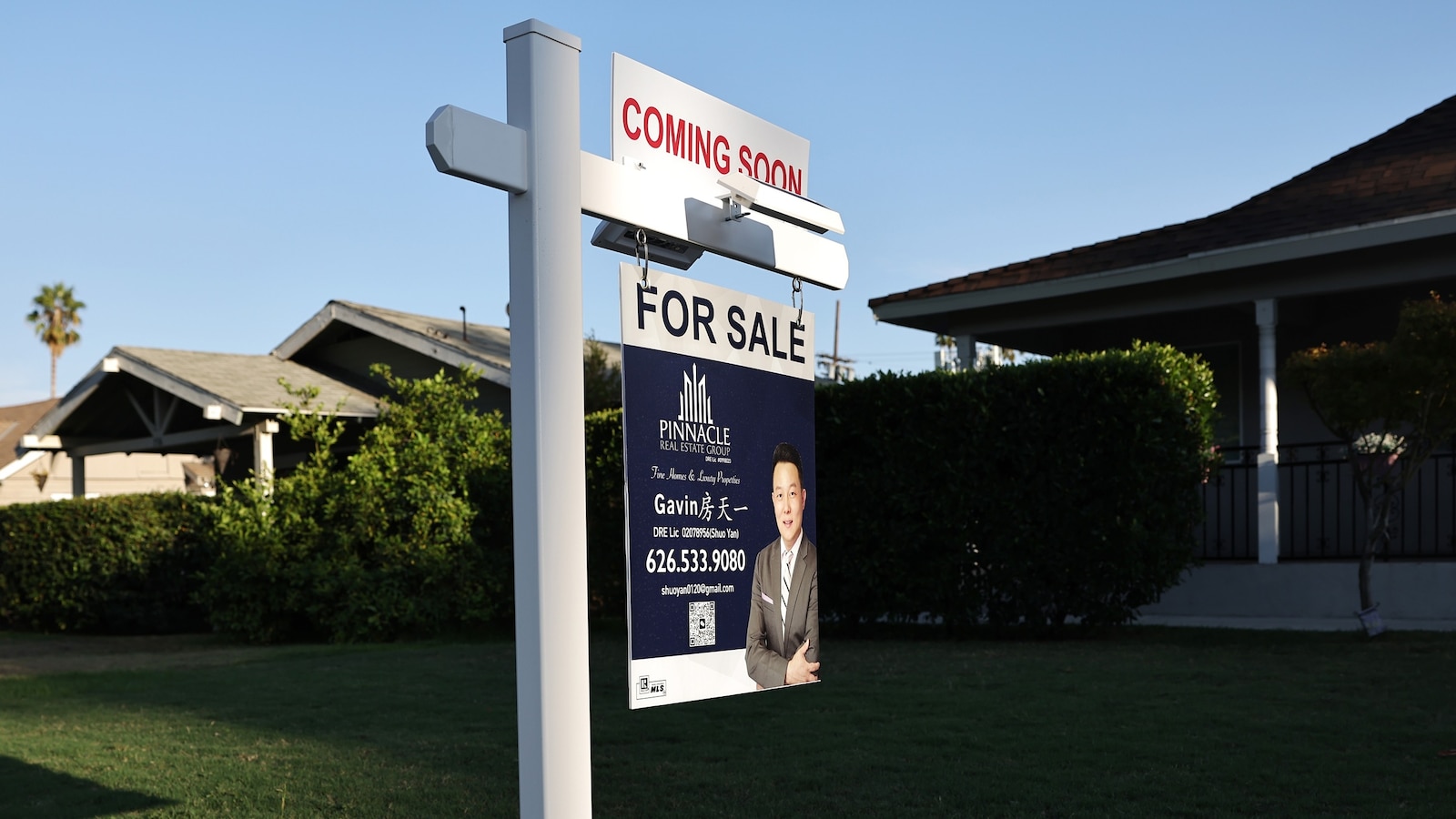
Home for sale with sign

Homebuyers kicking off 2026 with a fresh search may finally be catching a break: mortgage rates have fallen to their lowest level in 15 months, signaling a potential thaw in what has been one of the most challenging housing markets in years.

The average interest rate on a 30-year fixed mortgage now sits around 6.12% to 6.15%, according to data from Freddie Mac. That’s a meaningful drop from nearly 7% earlier in 2025 and significantly lower than the 7%+ levels seen just last year.

Even a single percentage point drop can save homeowners thousands—or tens of thousands—over the life of a loan, according to Rocket Mortgage.

Why Are Rates Falling Now?

Mortgage rates follow the 10-year Treasury yield, which reacts directly to expectations about Federal Reserve policy. Throughout late 2025, weak hiring data and concerns about economic cooling increased expectations that the Fed would begin easing.

The Fed ultimately cut rates three times starting in September, dropping the benchmark rate into the 3.5%–3.75% range. While far from the near-zero rates of the pandemic era, the cuts have helped pull mortgage rates lower.

Still, Fed Chair Jerome Powell has signaled a cautious approach ahead, hinting at a “wait and see” stance heading into early 2026.

But Will Lower Rates Fix the Housing Market?

Not completely. Many homeowners remain locked into ultra-low pandemic-era rates—some below 3%—making them reluctant to sell. This ongoing lock-in effect is still choking supply.

The result: even as borrowing costs ease, inventory remains tight and prices stay elevated.

Trending Market Signals

• Job growth is slowing, nudging unemployment to its highest point in several years (though still relatively low).
• GDP unexpectedly surged to 4.3% in Q3, complicating recession expectations.
• Futures markets anticipate at least two more Fed cuts in 2026, with the first expected around April.
• Redfin predicts mortgage rates will hover in the low 6% range for most of the year.

What Homebuyers Should Expect in 2026

Rates may occasionally dip below 6%, but Redfin expects they won’t stay there for long. Inflation uncertainties and a potentially stabilizing economy could limit how aggressively the Fed continues to ease.

Still, with rates now at their lowest level since 2024, many previously sidelined buyers may find 2026 a promising window—especially if inventory improves later in the year.

Professionals: Stay Ahead of the Market

For real estate agents, mortgage specialists, or professionals expanding their presence in the housing economy, understanding rate movements is no longer optional—it’s essential. If you’re building credentials or stepping into a new phase of your career, Cameron Academy provides modern, flexible licensing education across real estate, mortgage, insurance, finance, and more.

As the market shifts, staying informed and educated isn’t just helpful—it’s your competitive advantage.

More Articles

Getting licensed or staying ahead in your career can be a journey—but it doesn’t have to be overwhelming. Grab your favorite coffee or tea, take a moment to relax, and browse through our articles. Whether you’re just starting out or renewing your expertise, we’ve got tips, insights, and advice to keep you moving forward. Here’s to your success—one sip and one step at a time!

Exploring the Landscape of Smart Cities: Innovations in Real Estate and Construction

As the dawn of smart cities emerges, the landscape of urban development is undergoing a seismic shift, particularly in the realms of real estate and construction. These futuristic urban areas are becoming a tangible reality, integrating the Internet of Things, artificial intelligence, and big data to enhance the quality of life for residents, bolster sustainability, and invigorate economic growth.

Solutions to the Housing Crisis and Bad Zoning

In the ongoing quest to tackle the housing crisis, urban planners and policymakers are exploring a myriad of solutions. The relationship between zoning and housing affordability remains a complex puzzle. As highlighted in a recent article from The Urbanist, the multifaceted approach to resolving these issues includes proposals ranging from the abolition of zoning to the implementation of stricter inclusionary zoning policies.

By |March 16, 2025|Categories: Article, Housing, Urban Planning|Tags: , |0 Comments

Technological Revolution in Real Estate by 2025

As we stand on the cusp of 2025, the real estate market is poised for a technological revolution that promises to transform the way properties are bought, sold, rented, and managed.

Congress Pushes for Increased Section 8 Funding Amid Housing Crisis

In a concerted effort to address the pressing housing crisis in the United States, Congress is demonstrating robust support for increased federal funding for the Housing Choice Voucher program, commonly known as Section 8. This initiative is the nation's largest rental assistance program, providing essential support to low-income families, enabling them to afford modest housing in the private market. As the 2025 appropriations bills are being finalized, the urgency to prioritize housing assistance funding is more critical than ever.

By |March 16, 2025|Categories: Article, Housing, Legislation|Tags: , |0 Comments

Top Global Cities Leading in Luxury Real Estate Investments by 2025

The allure of investing in high-value properties in urban centers like New York, London, Dubai, Los Angeles, Paris, and Singapore remains as compelling as ever. Each city offers not only financial returns but also a lifestyle that is as luxurious as it is distinctive.

By |March 16, 2025|Categories: Article, Luxury Real Estate, Real Estate|Tags: , |0 Comments

Revolutionizing Audience Engagement: VR Marketing in 2023

VR is not just a novelty; it's a strategic asset for marketers aiming to enhance audience engagement through immersive digital experiences.

By |March 16, 2025|Categories: Article, Marketing, Virtual Reality|Tags: |0 Comments