Why Mortgage Rates Just Hit Their Lowest Level Since 2024
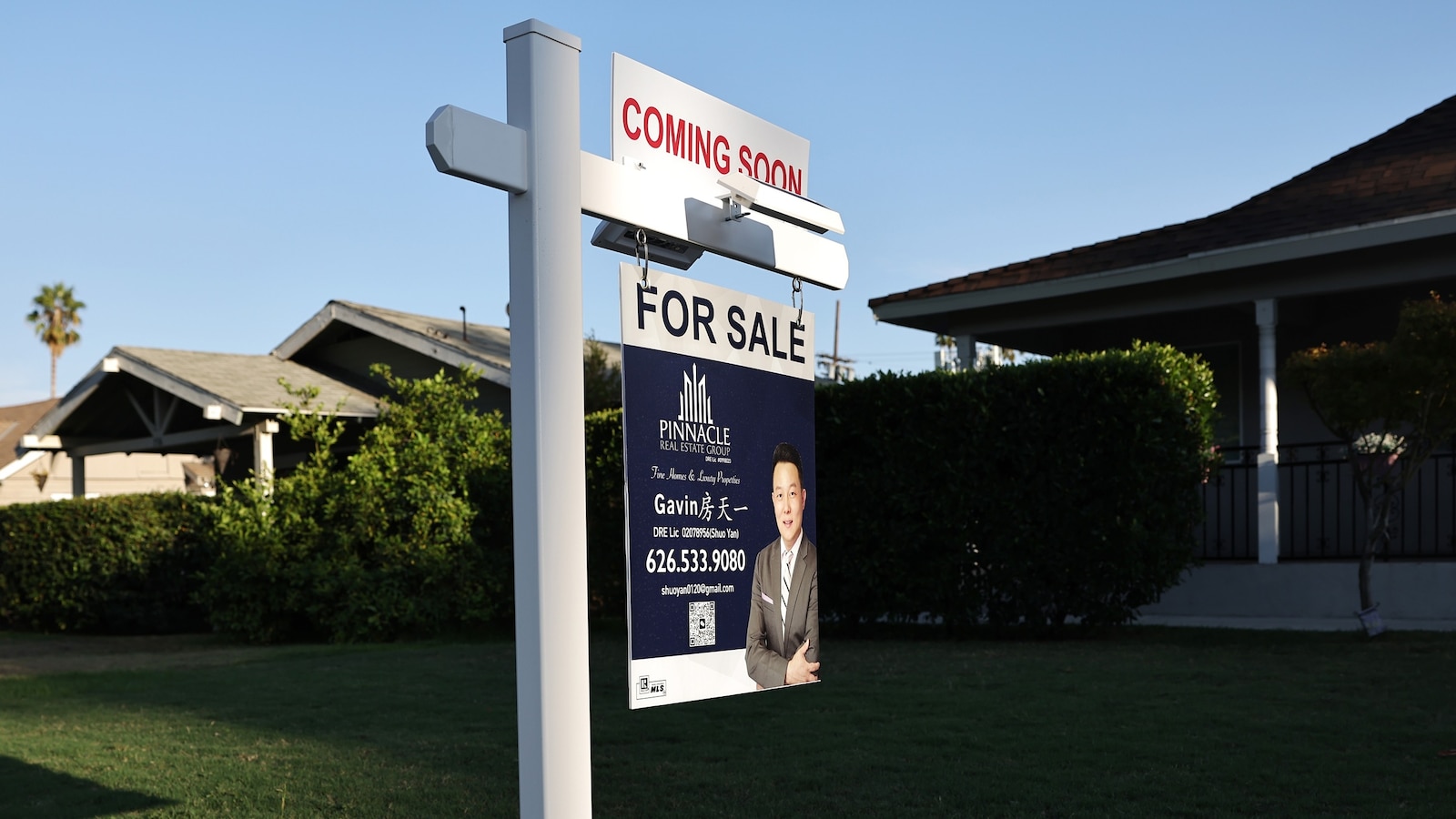
Home for sale with sign

Homebuyers kicking off 2026 with a fresh search may finally be catching a break: mortgage rates have fallen to their lowest level in 15 months, signaling a potential thaw in what has been one of the most challenging housing markets in years.

The average interest rate on a 30-year fixed mortgage now sits around 6.12% to 6.15%, according to data from Freddie Mac. That’s a meaningful drop from nearly 7% earlier in 2025 and significantly lower than the 7%+ levels seen just last year.

Even a single percentage point drop can save homeowners thousands—or tens of thousands—over the life of a loan, according to Rocket Mortgage.

Why Are Rates Falling Now?

Mortgage rates follow the 10-year Treasury yield, which reacts directly to expectations about Federal Reserve policy. Throughout late 2025, weak hiring data and concerns about economic cooling increased expectations that the Fed would begin easing.

The Fed ultimately cut rates three times starting in September, dropping the benchmark rate into the 3.5%–3.75% range. While far from the near-zero rates of the pandemic era, the cuts have helped pull mortgage rates lower.

Still, Fed Chair Jerome Powell has signaled a cautious approach ahead, hinting at a “wait and see” stance heading into early 2026.

But Will Lower Rates Fix the Housing Market?

Not completely. Many homeowners remain locked into ultra-low pandemic-era rates—some below 3%—making them reluctant to sell. This ongoing lock-in effect is still choking supply.

The result: even as borrowing costs ease, inventory remains tight and prices stay elevated.

Trending Market Signals

• Job growth is slowing, nudging unemployment to its highest point in several years (though still relatively low).
• GDP unexpectedly surged to 4.3% in Q3, complicating recession expectations.
• Futures markets anticipate at least two more Fed cuts in 2026, with the first expected around April.
• Redfin predicts mortgage rates will hover in the low 6% range for most of the year.

What Homebuyers Should Expect in 2026

Rates may occasionally dip below 6%, but Redfin expects they won’t stay there for long. Inflation uncertainties and a potentially stabilizing economy could limit how aggressively the Fed continues to ease.

Still, with rates now at their lowest level since 2024, many previously sidelined buyers may find 2026 a promising window—especially if inventory improves later in the year.

Professionals: Stay Ahead of the Market

For real estate agents, mortgage specialists, or professionals expanding their presence in the housing economy, understanding rate movements is no longer optional—it’s essential. If you’re building credentials or stepping into a new phase of your career, Cameron Academy provides modern, flexible licensing education across real estate, mortgage, insurance, finance, and more.

As the market shifts, staying informed and educated isn’t just helpful—it’s your competitive advantage.

More Articles

Getting licensed or staying ahead in your career can be a journey—but it doesn’t have to be overwhelming. Grab your favorite coffee or tea, take a moment to relax, and browse through our articles. Whether you’re just starting out or renewing your expertise, we’ve got tips, insights, and advice to keep you moving forward. Here’s to your success—one sip and one step at a time!

Mortgage Applications Slip as Mixed Market Signals Create Uncertainty

The latest MBA survey shows overall mortgage applications dipping 1.4% during the holiday week, even as purchase activity rose on a seasonally adjusted basis. Refinances cooled despite lower rates, which averaged 6.32% for a 30‑year fixed. Rising ARMs and shifting buyer behavior highlight a market still trying to stabilize amid softening economic indicators.

Commercial Real Estate Deal Growth Stalls Heading Into 2026

October delivered the first year‑over‑year slowdown in commercial real estate deals in nearly two years, signaling a growing disconnect between buyers and sellers as elevated rates and policy uncertainty reshape pricing expectations. While multifamily cooled and office assets traded at steep discounts, hotels and adaptive‑reuse projects stood out as rare bright spots. For professionals across real estate, mortgage, and finance, the shifting landscape underscores the need for sharper analysis and continued education heading into 2026.

US Workers’ Comp Market Faces Higher Costs and New Regulations Heading Into 2026

The US workers’ compensation market is bracing for a pivotal year in 2026 as medical inflation, rising claim complexity, and tightening state regulations push costs higher for insurers and employers. With cumulative trauma injuries increasing and states expanding presumption laws—especially for first responders and healthcare workers—underwriting strategies are being forced to evolve. At the same time, technology like predictive analytics and workplace wearables is reshaping loss prevention, while more organizations turn to captives and hybrid programs to manage volatility.

How Florida Realtors Quietly Built a Tech Empire That Now Powers North American Real Estate

Over the past 25 years, Florida Realtors has transformed from a simple support desk into one of the most influential tech ecosystems in real estate. Through member‑driven tools like Tech Helpline, Form Simplicity and the new Sabal Sign platform, the association has built a stable, fully integrated system used by agents across the U.S. and Canada. Free from outside investors and focused entirely on member needs, Florida Realtors has quietly become a tech powerhouse—proving that long-term vision, not venture capital, is what truly drives innovation in the industry.

Flood Disclosures Could Reshape Massachusetts Real Estate as Climate Risks Rise

Massachusetts is poised for a major shift in home‑sale transparency as Gov. Maura Healey pushes for mandatory flood disclosures — a change that could impact buyers, sellers, and real estate professionals statewide. With worsening climate conditions and growing flood damage in communities like Winthrop and Salem, the proposal aims to ensure buyers understand a property’s true risk before they commit. The move has wide support from insurers and municipalities, while the real estate industry remains split over its potential impact on the state’s long‑standing “buyer beware” culture.

Florida’s Insurance Market Begins to Stabilize as New Reforms Take Effect

Florida’s long‑troubled property insurance market is finally showing early signs of recovery. Thanks to recent legislative reforms that reduced litigation and attracted new insurers, some homeowners are even seeing their premiums drop. These improvements are boosting consumer confidence and creating new opportunities for real estate, mortgage, and insurance professionals across the state.