Why Mortgage Rates Just Hit Their Lowest Level Since 2024
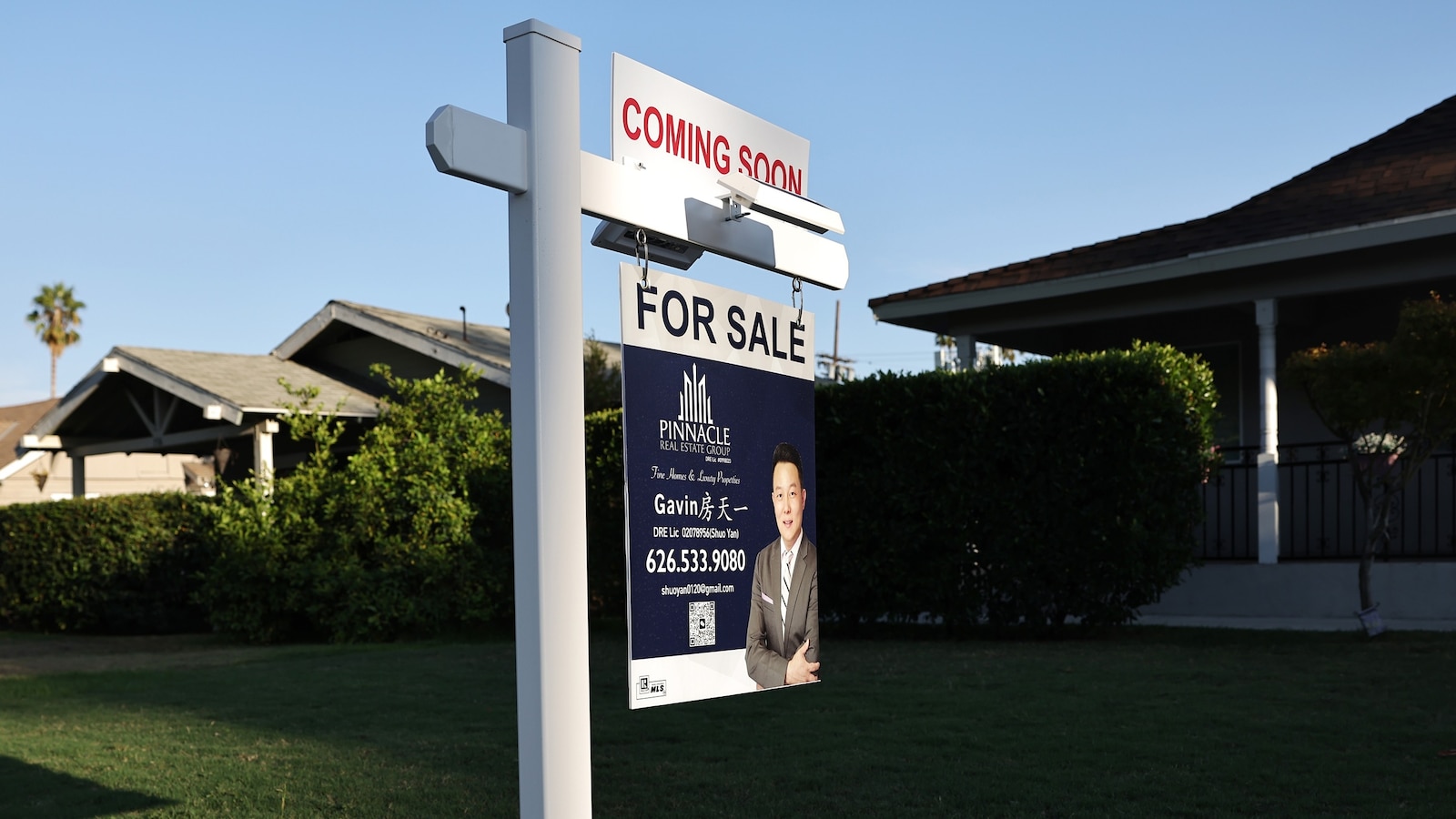
Home for sale with sign

Homebuyers kicking off 2026 with a fresh search may finally be catching a break: mortgage rates have fallen to their lowest level in 15 months, signaling a potential thaw in what has been one of the most challenging housing markets in years.

The average interest rate on a 30-year fixed mortgage now sits around 6.12% to 6.15%, according to data from Freddie Mac. That’s a meaningful drop from nearly 7% earlier in 2025 and significantly lower than the 7%+ levels seen just last year.

Even a single percentage point drop can save homeowners thousands—or tens of thousands—over the life of a loan, according to Rocket Mortgage.

Why Are Rates Falling Now?

Mortgage rates follow the 10-year Treasury yield, which reacts directly to expectations about Federal Reserve policy. Throughout late 2025, weak hiring data and concerns about economic cooling increased expectations that the Fed would begin easing.

The Fed ultimately cut rates three times starting in September, dropping the benchmark rate into the 3.5%–3.75% range. While far from the near-zero rates of the pandemic era, the cuts have helped pull mortgage rates lower.

Still, Fed Chair Jerome Powell has signaled a cautious approach ahead, hinting at a “wait and see” stance heading into early 2026.

But Will Lower Rates Fix the Housing Market?

Not completely. Many homeowners remain locked into ultra-low pandemic-era rates—some below 3%—making them reluctant to sell. This ongoing lock-in effect is still choking supply.

The result: even as borrowing costs ease, inventory remains tight and prices stay elevated.

Trending Market Signals

• Job growth is slowing, nudging unemployment to its highest point in several years (though still relatively low).
• GDP unexpectedly surged to 4.3% in Q3, complicating recession expectations.
• Futures markets anticipate at least two more Fed cuts in 2026, with the first expected around April.
• Redfin predicts mortgage rates will hover in the low 6% range for most of the year.

What Homebuyers Should Expect in 2026

Rates may occasionally dip below 6%, but Redfin expects they won’t stay there for long. Inflation uncertainties and a potentially stabilizing economy could limit how aggressively the Fed continues to ease.

Still, with rates now at their lowest level since 2024, many previously sidelined buyers may find 2026 a promising window—especially if inventory improves later in the year.

Professionals: Stay Ahead of the Market

For real estate agents, mortgage specialists, or professionals expanding their presence in the housing economy, understanding rate movements is no longer optional—it’s essential. If you’re building credentials or stepping into a new phase of your career, Cameron Academy provides modern, flexible licensing education across real estate, mortgage, insurance, finance, and more.

As the market shifts, staying informed and educated isn’t just helpful—it’s your competitive advantage.


More Articles

Getting licensed or staying ahead in your career can be a journey—but it doesn’t have to be overwhelming. Grab your favorite coffee or tea, take a moment to relax, and browse through our articles. Whether you’re just starting out or renewing your expertise, we’ve got tips, insights, and advice to keep you moving forward. Here’s to your success—one sip and one step at a time!

How Your 2025 Salary Stacks Up Against America’s Fastest‑Growing Careers

New data from the U.S. Bureau of Labor Statistics reveals major pay gaps across industries as we head into 2025. While top roles in finance, tech, and healthcare exceed $130,000 to $160,000 a year, other professions lag far behind—even when education levels are similar. Job titles, location, experience, and specialized skills are now some of the biggest factors shaping how much you earn. If you’ve been wondering whether your paycheck is keeping up with the market, this breakdown shows exactly where you stand and what it takes to boost your earning power.

Homebuyer Remorse Drops as 2025 Market Gives Buyers More Time and Leverage

A cooling housing market is giving buyers something they haven’t had in years: room to breathe. With slower sales, more inventory, and less pressure to make snap decisions, homebuyer regret has noticeably declined in 2025. Buyers are feeling more confident thanks to fewer bidding wars, reduced overpaying, and stronger financial preparation—though maintenance surprises still pose challenges. This shift toward a true buyer’s market offers real estate professionals a prime opportunity to guide clients with clarity and confidence.

Weekly CRE Pulse: Shutdown Shockwaves, STEM City Surges, and Signs of Market Momentum

This week’s commercial real estate roundup unpacks the lingering economic fallout from the 43‑day federal shutdown, new pressures on major office markets, and the rise of STEM‑driven cities reshaping demand nationwide. With fresh Q3 data from Altus showing stronger‑than‑expected transaction momentum, plus updates on Chicago’s valuation slide and national mortgage policy debates, this edition delivers the essential trends CRE, mortgage, finance, and appraisal professionals need to stay ahead.

ATTOM Wins Inman’s 2025 Best of Proptech Award for Data and Intelligence Innovation

ATTOM has been named Inman’s 2025 Best of Proptech winner, earning top recognition for its leadership in data and intelligence platforms. With advancements like Snowflake integration, ATTOM Nexus, and enhanced parcel‑centric analytics, the company is shaping the future of AI‑driven real estate decision‑making. This win highlights ATTOM’s growing role as a trusted data backbone for real estate, mortgage, insurance, and investment professionals nationwide.

Florida’s Insurance Crisis: Why Premiums Keep Rising and What It Means for Homeowners

A new report reveals that Florida’s property insurance market is far from recovering. Despite political claims of stabilization, homeowners are seeing premiums up 54% since 2019, widespread insurer instability, and some companies re‑entering the market under rebranded identities. With high rates of unpaid claims, delayed payouts, and policy non‑renewals, lawmakers are now pushing for transparency and oversight. For homeowners and industry professionals alike, understanding these risks is critical as Florida’s insurance challenges continue to deepen.

Florida’s Insurance “Recovery” Isn’t Reaching Homeowners

Despite new insurers entering the state and lawmakers touting market improvements, a new report reveals Florida’s property insurance system is still plagued by high premiums, weak oversight, and companies with troubled histories. Rates have climbed 54% since 2019, nearly one‑fifth of homeowners are now uninsured, and Florida leads the nation in unpaid and delayed claims. Critics warn that the state’s strategy of shifting risk to undercapitalized private companies may set the stage for another crisis — leaving homeowners, buyers, and real estate professionals navigating a market that’s far from stable.