Mortgage rates pushed upward for the third straight week, hitting their highest point in a month and cooling demand from both homeowners and potential buyers. According to the Mortgage Bankers Association, total mortgage application volume fell 5.2% compared to the week prior—though demand still sits comfortably higher than it did one year ago.
Rates Rise, Demand Slips
The average 30‑year fixed mortgage rate for conforming loan balances ($806,500 or less) rose to 6.37%, up from 6.34% the previous week. Points remained at 0.62 for borrowers putting down 20%. While this increase may seem small, it marks the highest level in four weeks.
Refinance applications dropped 7% week‑over‑week, though they remain 125% higher than the same week last year—largely due to extremely low refi activity in 2024. Purchase applications slipped 2% but are still 26% stronger than a year ago, signaling that buyers remain cautiously engaged despite rate bumps.
Tap for a quick insight:
“Homebuyers are stepping to the sidelines again, though FHA applications saw a slight uptick,” noted Joel Kan of the MBA.
Market Context: A Rudderless Bond Environment
Mortgage News Daily reports rates have been flat to start the week as bond markets continue drifting without clear direction. The government shutdown backlog has slowed data flow, creating more uncertainty.
“Bonds have been a rudderless ship,” wrote Matthew Graham of MND. “Stale jobless claims and weak ADP numbers provided little inspiration.”
More Real Estate Trends
For deeper context, explore related stories shaping the real estate world right now:
Loan officers, real estate agents, appraisers, and mortgage‑industry pros should prepare for a choppy winter season. Purchase activity is steady but sensitive, refi activity is rising from low levels, and rates could continue bouncing as economic uncertainty lingers.
Whether you’re advising buyers, structuring deals, or analyzing market movement, this rate spike is a reminder: today’s mortgage market rewards speed, clarity, and strong consumer guidance.
More Articles
Getting licensed or staying ahead in your career can be a journey—but it doesn’t have to be overwhelming. Grab your favorite coffee or tea, take a moment to relax, and browse through our articles. Whether you’re just starting out or renewing your expertise, we’ve got tips, insights, and advice to keep you moving forward. Here’s to your success—one sip and one step at a time!
Cybercrime in 2025 has evolved into a full‑scale service economy, with malware now available through subscription platforms that operate like mainstream tech businesses. Bitsight’s latest analysis reveals explosive growth in Malware‑as‑a‑Service tools, rising attacks across industries like healthcare, finance, tech, and real estate, and a surge in cross‑platform malware and supply‑chain exploits. For professionals in any licensed field, the message is clear: today’s digital landscape demands heightened vigilance, stronger identity security, and proactive defense against an increasingly organized underground threat environment.
A new proptech startup in the UAE, Gllit is redefining how property deals happen by removing agents, eliminating commissions, and integrating AI tools that let users create professional listings in seconds. With a fast, transparent, and direct-to-owner model, Gllit offers a glimpse into the future of global real estate — and a powerful case study for U.S. professionals preparing for tech-driven changes in the industry.
The 2026 housing market is shaping up to be a year of stability with a few surprises. Mortgage rates are expected to hold steady, home price growth is slowing, and yet ownership costs continue to rise due to soaring taxes and insurance. Meanwhile, renting is becoming more attractive as affordability improves and built‑to‑rent communities expand. This breakdown highlights the biggest trends ahead — and what they mean for buyers, sellers, and real estate professionals, especially in Florida.
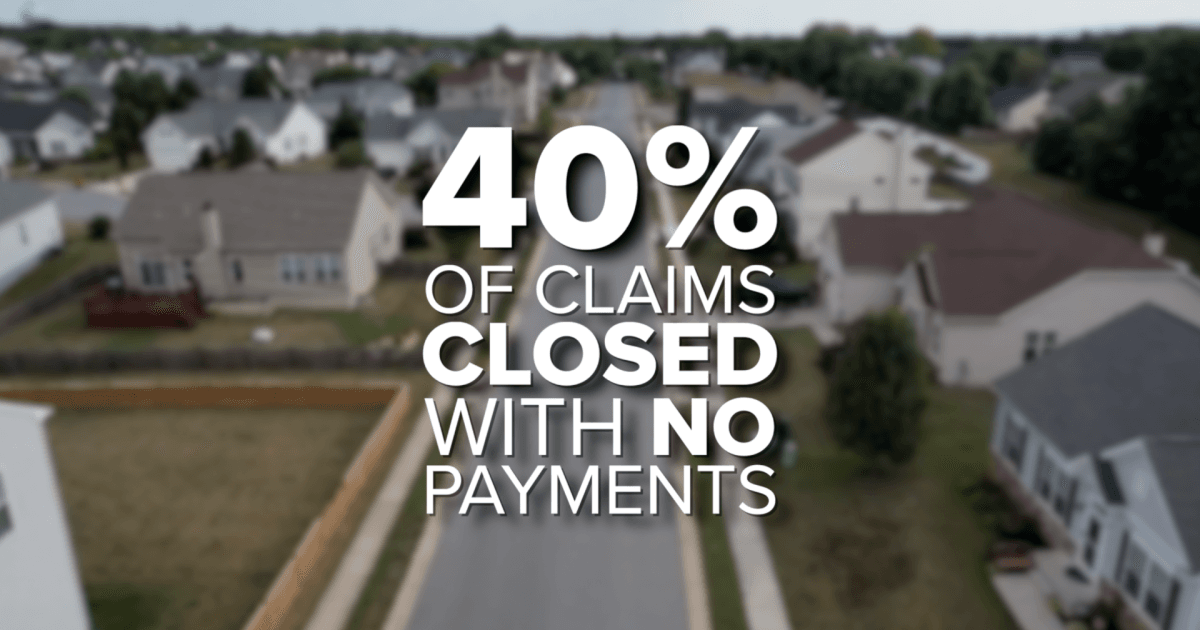
Florida homeowners are facing some of the highest insurance premiums in the nation, with average costs now topping $5,800 per year—about $3,000 above the U.S. average. Many residents report their rates have doubled or even tripled, while more than 40 percent of claims are closed with no payment. As frustration grows, state lawmakers and consumer advocates are pushing for transparency, rate caps, and incentives to help storm‑proof homes. The outcome of these reform efforts could reshape Florida’s real estate market, insurance landscape, and affordability for years to come.
A new global study from Risk.net and SAS reveals that many insurance companies are still making key decisions in isolated silos, despite industry-wide pushes toward data-driven strategies. While most leaders claim to have a clear vision, 38 percent admit they lack a real-time view of risks, revenue and costs. With poor data quality, limited collaboration and outdated processes holding teams back, experts say the industry is poised for a major transformation through AI, analytics and unified strategy—offering lessons for professionals across insurance, real estate, finance and other regulated fields.
Atlanta’s housing market is shifting into a more balanced and predictable phase. Prices have leveled off, inventory has finally caught up, and mortgage rates are easing enough to bring buyers back into the game. With steady demand, growing listings, and only mild price corrections forecasted into 2026, Atlanta remains one of the Southeast’s strongest real estate markets for buyers, sellers, and investors alike.