Mortgage Rates Drop Again — Hitting a Three‑Year Low
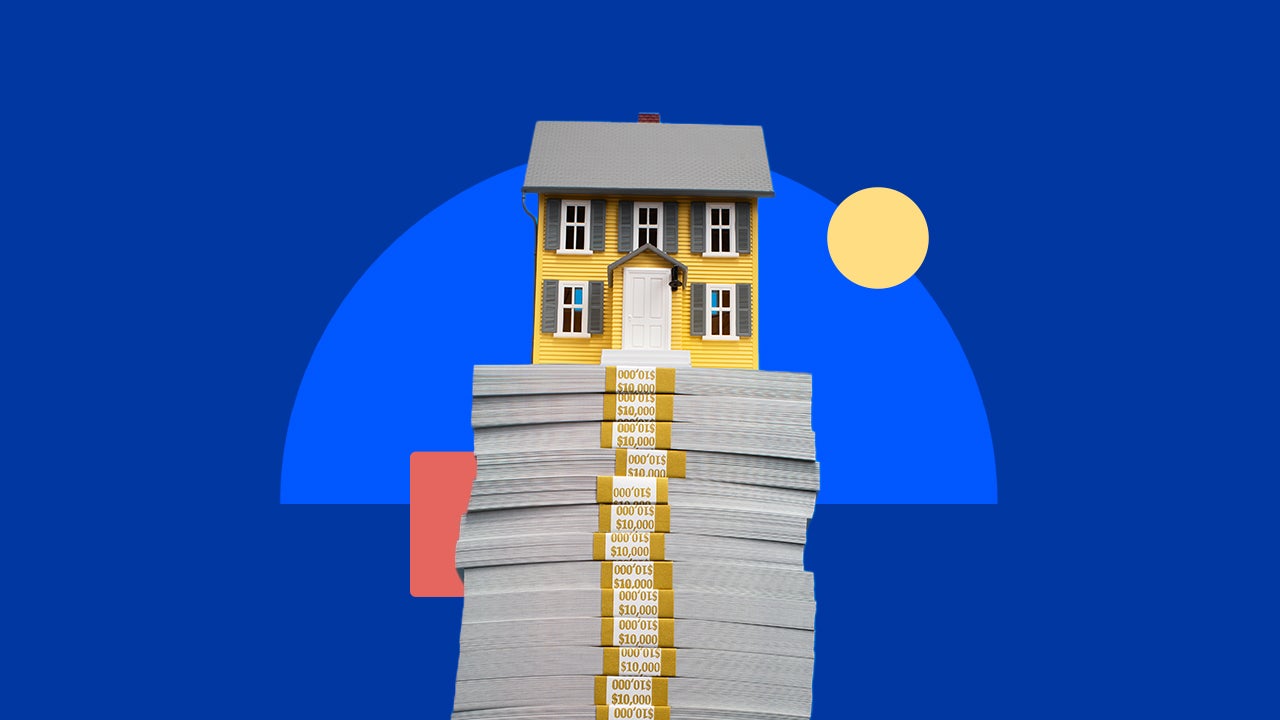
Mortgage rates slid once again this week, settling at 6.09% for the 30‑year fixed loan — the lowest level seen in three years, according to Bankrate’s latest lender survey. The drop comes as a surprise to many analysts, especially after stronger‑than‑expected jobs numbers typically associated with higher borrowing costs.
For aspiring buyers, investors, and mortgage professionals alike, this continued dip represents a rare window of opportunity. At Cameron Academy, where future real estate and financial pros sharpen their skills, we love moments like this — moments when the market shifts and knowledge becomes power.
Current Mortgage Rates Snapshot
| Loan Type |
Current |
4 Weeks Ago |
1 Year Ago |
52‑Week Avg |
52‑Week Low |
| 30‑year fixed |
6.09% |
6.25% |
7.00% |
6.55% |
6.09% |
| 15‑year fixed |
5.47% |
5.53% |
6.24% |
5.77% |
5.47% |
| 30‑year jumbo |
6.27% |
6.41% |
7.04% |
6.62% |
6.27% |
The average 30‑year mortgage involved 0.36 discount and origination points this week. These can alter the rate depending on whether buyers pay more upfront or opt for fewer fees.
What Today’s Rates Mean for Buyers
Using national averages — a median family income of $104,200 and a median home price of $396,800 — today’s 6.09% rate results in a monthly payment of roughly $1,922 (principal and interest). That’s about 22% of a typical family’s monthly income, a notable improvement from the affordability challenges seen over the past two years.
Try this: Compare your own mortgage numbers. How does your income stack against today’s rates? If you’re preparing for a mortgage career or planning to buy, this is the perfect real‑world case study.
Zillow reports that half of the nation’s 50 largest metro areas saw price declines over the last year. With inventory rising and price momentum cooling, conditions are finally improving — especially for buyers who’ve been waiting out the high‑rate era.
What’s Next for Mortgage Rates?
The Federal Reserve continues to hold its benchmark rate steady, signaling caution as it waits for clearer economic data. Some economists expect at least one rate cut in early 2026, though strong labor numbers could limit deeper reductions.
“Even without a cut, mortgage rates are nearly a full percentage point lower than a year ago,” notes Bill Banfield of Rocket Mortgage. “That creates a meaningful affordability shift.”
President Donald Trump’s directive for Fannie Mae and Freddie Mac to purchase $200 billion in mortgage‑backed securities helped nudge rates downward in January — but experts agree the impact is temporary unless paired with broader monetary or fiscal action.
Still, most forecasts, including Fannie Mae’s Housing Outlook, predict rates hovering around 6% through 2026 and 2027 — a welcome stabilization after years of rate turbulence.
The Bottom Line
Mortgage rates dipping to a three‑year low marks a pivotal moment for buyers, investors, and industry professionals. Whether you’re planning a purchase, advising clients, or building your career in real estate or mortgage lending, now is a very smart time to stay informed.
If you’re preparing to take your real estate or mortgage license exam — or advancing to the next phase of your career — Cameron Academy offers flexible, modern training built for today’s evolving market.
Source: Full report from Bankrate available at their official analysis page.