Mortgage Rates Drop Again — Hitting a Three‑Year Low

House on money stack representing mortgage costs

Mortgage rates slid once again this week, settling at 6.09% for the 30‑year fixed loan — the lowest level seen in three years, according to Bankrate’s latest lender survey. The drop comes as a surprise to many analysts, especially after stronger‑than‑expected jobs numbers typically associated with higher borrowing costs.

For aspiring buyers, investors, and mortgage professionals alike, this continued dip represents a rare window of opportunity. At Cameron Academy, where future real estate and financial pros sharpen their skills, we love moments like this — moments when the market shifts and knowledge becomes power.

Current Mortgage Rates Snapshot

Loan Type Current 4 Weeks Ago 1 Year Ago 52‑Week Avg 52‑Week Low
30‑year fixed 6.09% 6.25% 7.00% 6.55% 6.09%
15‑year fixed 5.47% 5.53% 6.24% 5.77% 5.47%
30‑year jumbo 6.27% 6.41% 7.04% 6.62% 6.27%

The average 30‑year mortgage involved 0.36 discount and origination points this week. These can alter the rate depending on whether buyers pay more upfront or opt for fewer fees.

What Today’s Rates Mean for Buyers

Using national averages — a median family income of $104,200 and a median home price of $396,800 — today’s 6.09% rate results in a monthly payment of roughly $1,922 (principal and interest). That’s about 22% of a typical family’s monthly income, a notable improvement from the affordability challenges seen over the past two years.

Try this: Compare your own mortgage numbers. How does your income stack against today’s rates? If you’re preparing for a mortgage career or planning to buy, this is the perfect real‑world case study.

Zillow reports that half of the nation’s 50 largest metro areas saw price declines over the last year. With inventory rising and price momentum cooling, conditions are finally improving — especially for buyers who’ve been waiting out the high‑rate era.

What’s Next for Mortgage Rates?

The Federal Reserve continues to hold its benchmark rate steady, signaling caution as it waits for clearer economic data. Some economists expect at least one rate cut in early 2026, though strong labor numbers could limit deeper reductions.

“Even without a cut, mortgage rates are nearly a full percentage point lower than a year ago,” notes Bill Banfield of Rocket Mortgage. “That creates a meaningful affordability shift.”

President Donald Trump’s directive for Fannie Mae and Freddie Mac to purchase $200 billion in mortgage‑backed securities helped nudge rates downward in January — but experts agree the impact is temporary unless paired with broader monetary or fiscal action.

Still, most forecasts, including Fannie Mae’s Housing Outlook, predict rates hovering around 6% through 2026 and 2027 — a welcome stabilization after years of rate turbulence.

The Bottom Line

Mortgage rates dipping to a three‑year low marks a pivotal moment for buyers, investors, and industry professionals. Whether you’re planning a purchase, advising clients, or building your career in real estate or mortgage lending, now is a very smart time to stay informed.

If you’re preparing to take your real estate or mortgage license exam — or advancing to the next phase of your career — Cameron Academy offers flexible, modern training built for today’s evolving market.

Source: Full report from Bankrate available at their official analysis page.

More Articles

Getting licensed or staying ahead in your career can be a journey—but it doesn’t have to be overwhelming. Grab your favorite coffee or tea, take a moment to relax, and browse through our articles. Whether you’re just starting out or renewing your expertise, we’ve got tips, insights, and advice to keep you moving forward. Here’s to your success—one sip and one step at a time!

Los Alamitos at a Breaking Point After 18 Racehorse Deaths Spur Emergency Safety Demands

Los Alamitos Race Course is facing its most serious crisis in years after 18 horses died in 2025, prompting regulators to warn the track that its racing license is at risk without immediate safety reforms. Following three catastrophic injuries in a single day, the California Horse Racing Board has ordered urgent changes—including more veterinarians, stricter medication rules, and enhanced on‑track medical support—as pressure mounts for stronger oversight in a sport already under national scrutiny.

Why Canadian Investors Are Flooding U.S. Real Estate Despite Tariffs and Tensions

Canadian investors have poured more than US$5.8 billion into U.S. commercial real estate this year, making the U.S. their top destination even amid a lingering tariff dispute. Tight inventory in Canada and greater deal availability south of the border are driving the trend, with data centers and industrial properties emerging as the hottest targets for 2025.

Florida’s Insurance Chief Warns Homeowners: Most Don’t Understand Their Policies

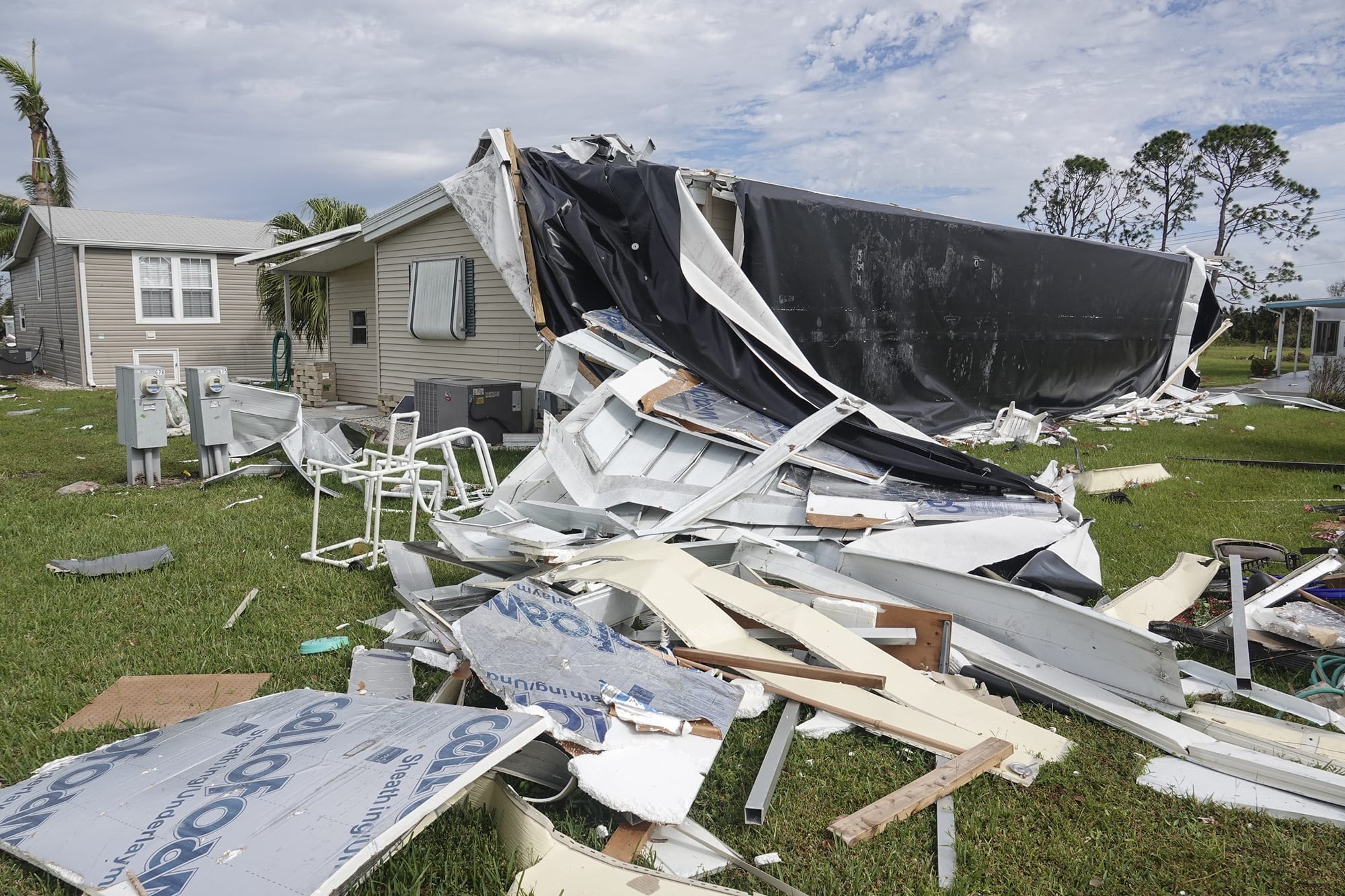
Florida’s insurance commissioner says even industry pros struggle to read today’s 150‑page homeowners policies—leaving residents shocked when hurricane claims are denied. With rising premiums, high replacement costs, and widespread confusion over exclusions like flood and water damage, the state is pushing for simpler, clearer policy language so homeowners know what they’re actually covered for before the next storm hits.

Post‑Election Power Plays: How Major U.S. Cities Are Quietly Redrawing the Real Estate Map

Following the 2025 elections, major metros like New York, Chicago, Miami, Los Angeles, and Boston are implementing policy shifts that could reshape property values, rental income, development timelines, and investment strategy heading into 2026. From New York’s push toward aggressive rent reform to Chicago’s sustainability mandates and Miami’s uncertain mayoral runoff, these changes signal a new era where local politics increasingly dictate market performance. This breakdown highlights the biggest post‑election real estate pivots and what they mean for investors, agents, and finance professionals preparing for a rapidly evolving landscape.

Florida Insurance Boss Drops a Truth Bomb: Most Homeowners Have No Idea What They’re Actually Covered For

Florida’s Insurance Commissioner is sounding the alarm after thousands of homeowners discovered—only after hurricanes Helene and Milton—that the coverage they thought they had didn’t exist. With nearly 150,000 unpaid claims tied to misunderstood flood exclusions, water‑damage caps, and buried policy clauses, state leaders are pushing to simplify the dense, confusing documents most Floridians never read. As insurance costs remain one of the state’s top concerns, this growing complexity is creating a massive opportunity for real estate, mortgage, and insurance professionals to guide consumers before disaster strikes.

Florida’s Insurance “Fixes” Backfire as Homeowners Face Higher Costs and Riskier Insurers

Florida’s insurance market is reliving an old crisis under a new name. Despite reforms meant to stabilize the system, homeowners are being forced out of Citizens and into pricier policies from small insurers with shaky financial histories. Companies tied to past insolvencies are returning with fresh branding, while highly rated carriers continue to deny a majority of claims. With political influence muddying regulation and climate risks rising, experts warn that only a full structural overhaul—not cosmetic reforms—can restore confidence for homeowners, agents, and the entire real estate market.