Mortgage Rates Rebound: What Professionals Need to Know in 2026
After briefly dipping to a three-year low, mortgage rates have nudged back upward—landing at 6.25%, according to the latest
Bankrate lender survey.
The excitement following President Donald Trump’s recent mortgage‑market announcement has cooled, and rates are once again stabilizing.
Where Mortgage Rates Stand Right Now
The 30‑year fixed mortgage rate rose from 6.18% to 6.25% in just one week.
Shorter‑term and jumbo loans climbed alongside it, showing a steady and consistent upward shift across the board.
These rates include an average of 0.34 discount and origination points—fees that help determine just how affordable a mortgage becomes over time.
What Today’s Rates Mean for Buyers
With a national median home price of $405,400 and a median family income of $104,200, a typical
20%‑down mortgage at 6.25% brings the average monthly payment to about $1,997—roughly 23% of a household’s monthly income.
According to Samir Dedhia, CEO of One Real Mortgage, the current market remains “promising” thanks to rising inventory and stabilizing prices—an encouraging shift after several years of turbulence.
Why Rates Rose After Trump’s Mortgage Push
Earlier this month, President Trump announced a directive for Fannie Mae and Freddie Mac to purchase $200 billion in mortgage‑backed securities—aimed at easing borrowing costs. Rates dipped briefly to 6.18% before floating back up.
But finance professor Sean Salter notes that policy moves like these offer only “temporary and limited” relief unless reinforced by the Federal Reserve or supported by Congress.
Where Rates Are Headed for the Rest of 2026
Forecasts lean toward steady ground. Fannie Mae’s January 2026 Housing Forecast suggests rates hovering near 6% through both 2026 and 2027—welcome news for buyers and industry professionals craving some predictability.
What This Means for Industry Professionals
Whether you’re working in real estate, mortgage, appraisal, or insurance, a stabilized rate environment opens doors:
smoother closings, clearer underwriting expectations, and renewed buyer confidence.
Professionals aiming to strengthen their expertise or earn a new license can turn to
Cameron Academy—your go‑to destination for flexible online education across real estate, mortgage, insurance, and more in all 50 states.
Source Spotlight
This article is powered by insightful reporting from
Bankrate,
a trusted name in financial and mortgage market analysis.
More Articles
Getting licensed or staying ahead in your career can be a journey—but it doesn’t have to be overwhelming. Grab your favorite coffee or tea, take a moment to relax, and browse through our articles. Whether you’re just starting out or renewing your expertise, we’ve got tips, insights, and advice to keep you moving forward. Here’s to your success—one sip and one step at a time!
The Phoenix housing market continues to outperform the rest of the country, posting stronger sales, rising equity, and an influx of qualified buyers. With closed sales, pending sales, new listings, and median prices all trending upward, the Valley is outpacing national growth by a wide margin. City‑level data shows impressive strength across Scottsdale, Goodyear, Gilbert, Phoenix, and more—making 2025 a powerful year for agents, investors, and professionals watching the Arizona market.
With the 2026 FIFA World Cup and America’s 250th birthday celebrations on the horizon, the U.S. job market is gearing up for a surge across multiple industries. Seasonal, flexible, and part‑time roles are expected to rise—especially for workers 50+ who have struggled in a cooling labor market. From accounting and HR leadership to event staffing and delivery driving, major cities are preparing for increased hiring tied to tourism, infrastructure, and yearlong national celebrations. Many of these fast‑growing roles connect directly to licensing and certification pathways, giving professionals new chances to pivot or upskill through programs offered by Cameron Academy.
Florida is rolling out a new wave of laws on January 1, 2026 that will impact professionals in real estate, insurance, healthcare, education, and other regulated industries. From new insurance rules and healthcare billing requirements to condo association deadlines and statewide databases, these updates reshape compliance expectations across the state. Whether you work in property, finance, or public‑facing services, understanding these changes is essential for staying aligned with Florida’s evolving regulations.
Nearly every commercial real estate professional is expecting a stronger year ahead, with 97% predicting increased or stable activity in 2026, according to Avison Young’s latest outlook. Confidence has surged dramatically since mid‑2025 as strong sales, anticipated rate cuts, and improving fundamentals across key sectors signal that CRE recovery and growth may finally be taking hold.
Dallas‑Fort Worth is finishing 2025 as the nation’s top real estate and business powerhouse, fueled by corporate relocations, a dominant industrial sector, infrastructure megaprojects, and a rapidly evolving workforce landscape. From data center expansion to the launch of the DART Silver Line, the region continues to outpace national trends—while also confronting a growing demand for skilled professionals and licensed talent across construction, real estate, and technical fields.
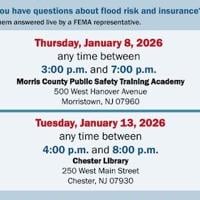
FEMA and the NJDEP have released revised preliminary flood maps for Morris County, reshaping how homeowners, real estate agents, insurers, and mortgage professionals assess flood risk. The updated FIRMs may shift properties into or out of higher‑risk zones, affecting insurance requirements, closing processes, and long‑term property values. With public review and appeals ahead, industry professionals are urged to study the changes now and prepare clients for potential impacts.