Mortgage Rates Hit New Lows as 2026 Real Estate Momentum Builds
If you’ve been watching the market with your morning coffee in hand, here’s the news worth savoring: mortgage rates have slid to levels we haven’t seen since 2022 — and buyers, sellers, and real estate professionals across the country are taking notice. For those in Florida’s fast‑moving market, where timing is everything, the shift is especially important.
According to Money.com, the 30-year fixed-rate loan averaged 6.361% as of January 20, ticking up slightly day-to-day but still trending far below last year’s highs. Meanwhile, Freddie Mac reported a weekly average of just 6.06% — the lowest level in more than three years.
Why This Matters for Homebuyers and Professionals
With mortgage rates shaping everything from purchasing power to long-term affordability, this dip could open the door for buyers who have been sitting on the sidelines. For real estate agents, mortgage brokers, and aspiring professionals studying through Cameron Academy, this is a prime moment to understand — and explain — how these shifts reshape opportunity.
Current Mortgage and Refinance Rates
Average Mortgage Rates (January 20, 2026)
30-year fixed: 6.361% ▲ 0.076%
15-year fixed: 5.767% ▲ 0.042%
7/1 ARM: 5.77% ▼ 0.118%
10/1 ARM: 5.899% ▼ 0.143%
Average Refinance Rates (January 20, 2026)
30-year fixed refi: 6.403% ▲ 0.065%
15-year fixed refi: 5.757% ▲ 0.042%
7/1 ARM refi: 5.772% ▼ 0.119%
10/1 ARM refi: 5.906% ▼ 0.146%
Market Forces Behind the Movement
Rates dipped sharply following the White House directive for Fannie Mae and Freddie Mac to purchase $200 billion in mortgage-backed securities. While this brought immediate relief, analysts caution that future shifts will depend heavily on labor market performance and inflation trends. Today’s opportunity may not last long.
What This Means for Buyers
The difference between today’s rates and those from just a few months ago can translate into significant savings. Consider a $200,000 mortgage:
At 3% interest — $843 monthly
At 4% interest — $955 monthly
At 6% interest — $1,199 monthly
At 8% interest — $1,468 monthly
Shopping around still pays off: Freddie Mac notes that comparing multiple lenders can save borrowers up to $1,200 over the life of a loan.
FAQs: Tap to Expand
When will mortgage rates go down?
Experts expect rates to hover between 6% and 7% for now. A dip into the mid‑5% range is possible later, but not guaranteed.
Should I lock in my mortgage rate today?
Yes — especially if you’re under contract. Rate locks typically last 45–60 days and protect buyers from market volatility.
What are discount points?
Discount points let you pay upfront to lower your interest rate, often reducing your long‑term cost significantly.
Why Real Estate Pros Should Pay Attention
Understanding mortgage trends isn’t just for lenders — it’s crucial for real estate agents, appraisers, and anyone guiding buyers in today’s market. For students expanding their careers through Cameron Academy, mastering these rate shifts adds immediate, practical value when advising clients.
A Quick Summary
Fixed‑rate loans saw slight increases, while ARMs dropped.
The 30‑year fixed-rate mortgage hit 6.06% — its lowest since 2022.
Refinance rates followed similar patterns, especially on ARMs.
Current conditions may offer a temporary window for more affordable borrowing.
For deeper daily rate updates and expert mortgage insights, explore the full report at Money.com.
And if you’re building a career in real estate or another licensed profession, Cameron Academy is here to prepare you with the knowledge and confidence to succeed — no matter where the market moves next.
More Articles
Getting licensed or staying ahead in your career can be a journey—but it doesn’t have to be overwhelming. Grab your favorite coffee or tea, take a moment to relax, and browse through our articles. Whether you’re just starting out or renewing your expertise, we’ve got tips, insights, and advice to keep you moving forward. Here’s to your success—one sip and one step at a time!
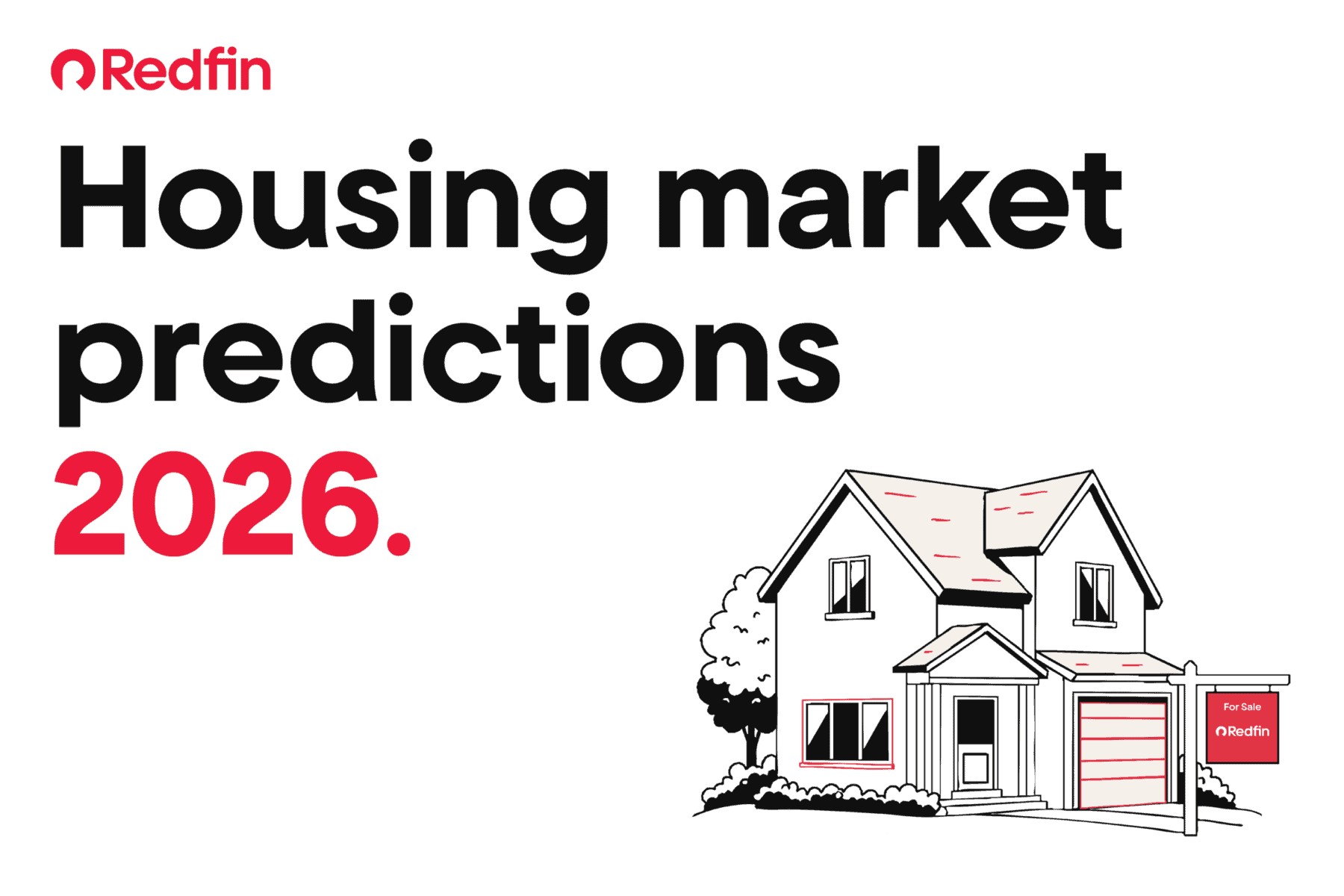
Redfin forecasts a slow but meaningful return to normalcy in the U.S. housing market starting in 2026. Instead of a crash or a rapid correction, the year marks the beginning of a “Great Housing Reset” where affordability gradually improves, mortgage rates ease into the low‑6% range, home sales tick upward, and renters, buyers, and professionals finally feel less market pressure. From wage growth outpacing home prices to rising refi activity and the rise of AI‑powered real estate tools, 2026 is shaping up to be a foundational year for real estate careers and long‑term market stability.
Hurricane Melissa’s destruction in Jamaica highlights a growing global reality: climate risks are accelerating faster than insurance adoption. With more than 90% of disaster losses in developing regions going uninsured and a worldwide protection gap exceeding $1.8 trillion annually, experts warn that traditional insurance systems can no longer keep up. New models—like parametric payouts, community‑based aggregation and bundled climate tools—are emerging, but governments and corporations must step in to prevent financial shocks from destabilizing entire economies.
Gravis Robotics, a Zurich-based startup, just raised $23 million to bring autonomous tech to construction sites facing a massive operator shortage. As demand surges for renewable energy projects, data centers, and new housing, Gravis retrofits traditional heavy machinery with AI-driven systems that can work autonomously or via remote guidance. With trials already underway across seven countries, the company is pushing a future where humans and robots collaborate — speeding up development timelines and reshaping industries from construction to real estate.
Zillow has quietly removed its climate‑risk scores after months of pressure from agents, homeowners, and listing services who said the warnings were scaring off buyers. The move has sparked a national debate: Is this a win for real estate sales or a setback for consumer transparency? Critics warn that without clear climate‑risk data, families could be “flying blind” into costly surprises like insurance spikes and flood damage. As climate impacts intensify and disclosure expectations rise, real estate professionals must stay informed—because whether Zillow shows the data or not, the risks aren’t going anywhere.
Florida’s property insurance crisis is becoming the defining issue heading into the 2026 election season. Republicans argue that recent reforms are finally stabilizing the market, pointing to reduced litigation and cooling reinsurance costs. Democrats counter that families are still facing unbearable premiums, with condo prices dropping over 8% and Floridians paying some of the highest insurance rates in the nation. As lawmakers prepare to return to Tallahassee, the future of insurance reform is set to become the central political fight—one that will directly impact homeowners, investors, and real estate professionals across the state.
Connectivity has become one of the most powerful differentiators in today’s real estate market. As smart buildings, automation, and sustainability demands accelerate, fiber networks are replacing outdated copper systems and reshaping property value. With lower energy use, unified smart‑building capabilities, reduced long‑term costs, and stronger tenant satisfaction, digital infrastructure is now central to investment strategy. Real estate professionals who understand this shift gain a competitive edge as the industry moves toward cleaner, smarter, more connected buildings.