Mortgage Refinance Boom Surges — But Rising Rates May Bring It to a Halt

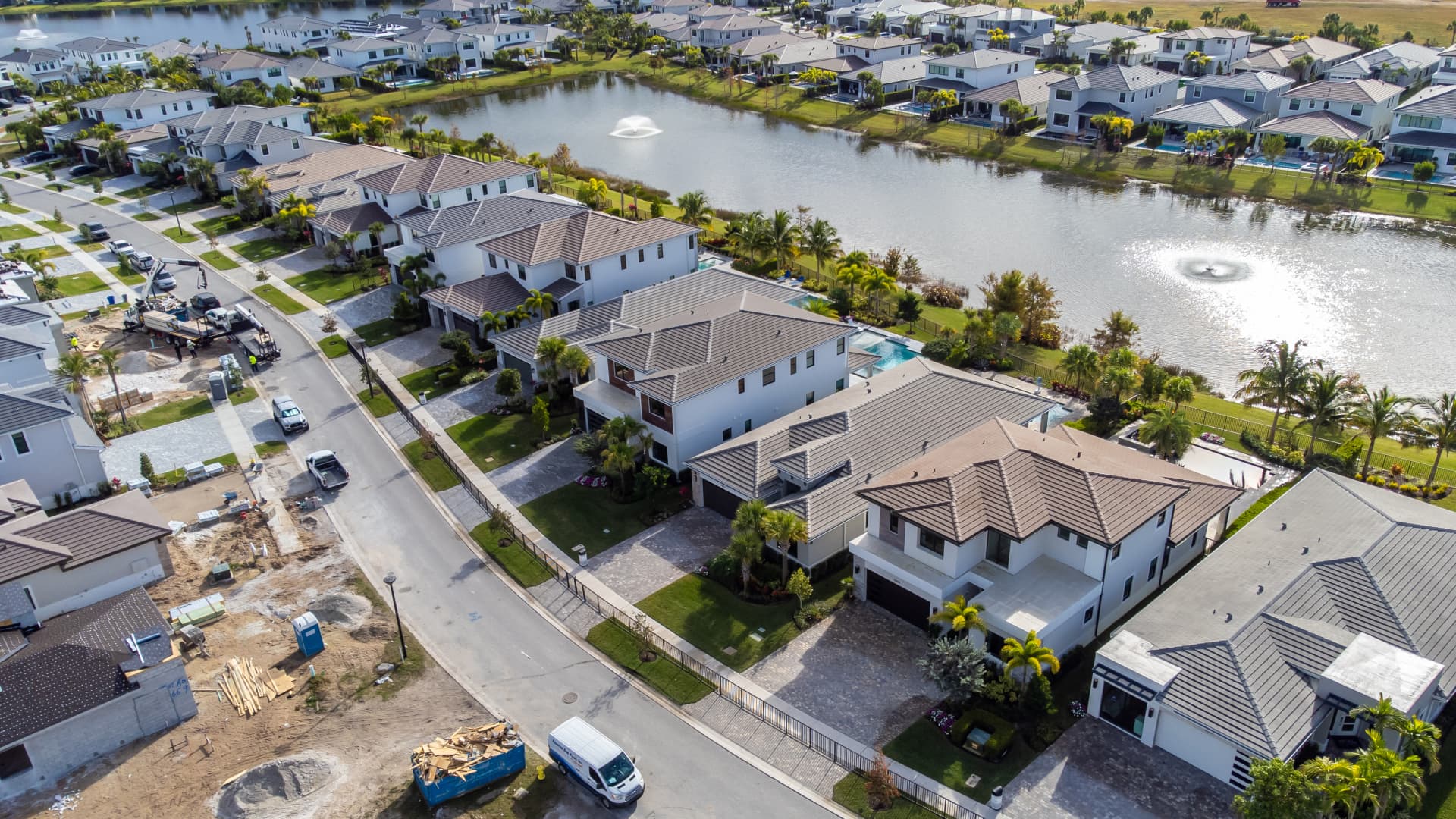
Homes under construction in palm beach gardens, florida

Mortgage refinancing soared for a second consecutive week as interest rates dipped to their lowest point since late 2024. But just as homeowners rushed to seize the moment, the market shifted again — and those gains may be short‑lived.

According to the Mortgage Bankers Association, refinance applications jumped 20% week‑over‑week and an astonishing 183% higher than the same week last year. It’s one of the strongest surges seen since September 2025.

Rates Hit a Soft Spot — and Homeowners Pounced

The average 30‑year fixed mortgage rate dipped to 6.16%, a subtle but meaningful improvement from 6.18%. For borrowers watching the market closely, even small rate shifts can unlock substantial lifetime savings.

“These lower rates prompted greater refinance activity from conventional and VA refinance borrowers,” said MBA deputy chief economist Joel Kan. “Refinance applications accounted for more than 60% of applications, and loan sizes also moved higher.”

But volatility remains the theme of 2026, and early this week rates snapped back upward as bond markets reacted to global tensions and tariff threats.

Why Rates Are Suddenly Rising Again

Rates initially fell after President Donald Trump announced a plan for Fannie Mae and Freddie Mac to purchase $200 billion in mortgage‑backed securities — a move that sparked a wave of optimism.

But mortgage rates jumped 14 basis points at the start of the week, according to Mortgage News Daily, erasing nearly all prior progress.

“The market has already reacted to that news to the extent allowed by its transparency,” said Matthew Graham, COO of Mortgage News Daily. In other words, the announcement had already been priced in — leaving little room for sustained declines.

Homebuyer Interest Is Rising Too

Purchase applications rose 5% for the week and now stand 18% higher year‑over‑year. Inventory has improved, but affordability remains a challenge — particularly in booming markets like Florida.

What This Means for Real Estate and Mortgage Professionals

Rapid swings in mortgage rates can reshape consumer decisions overnight. For real‑estate agents, loan officers, and finance professionals, staying ahead of these trends isn’t just smart — it’s essential.

If you’re building or upgrading your career in mortgage lending or real estate, ongoing education remains one of your strongest advantages. Cameron Academy supports professionals nationwide with licensing programs and continuing education designed for volatile markets just like this one.

Explore real‑estate and professional licensing courses anytime at CameronAcademy.com.

For the original report and continuing coverage, read the full CNBC article: Mortgage Refinances Surged Again — But Rates Are Now Suddenly Jumping Higher.

More Articles

Getting licensed or staying ahead in your career can be a journey—but it doesn’t have to be overwhelming. Grab your favorite coffee or tea, take a moment to relax, and browse through our articles. Whether you’re just starting out or renewing your expertise, we’ve got tips, insights, and advice to keep you moving forward. Here’s to your success—one sip and one step at a time!

Housing Market Momentum Builds Early in 2026

The 2026 housing market is off to a powerful start, with rising buyer activity, expanding inventory, and steady pricing creating one of the most balanced environments in years. Pending home sales and mortgage applications are climbing, inventory has reached 2.6 months of supply, and new listings continue to grow—all signaling renewed confidence and fresh opportunity for real estate professionals nationwide.

Investors Prepare for a High-Confidence 2026 as Commercial Real Estate Stabilizes

A wave of optimism is returning to U.S. commercial real estate heading into 2026, with 95% of investors planning to buy the same or more property than last year. Capital allocations are rising, Sun Belt cities continue to shine, and multifamily remains the top asset class. As pricing stabilizes and debt pressures ease, professionals across real estate and finance are entering a year defined by strategic growth and renewed opportunity.

Florida Homeowners Face Rising Insurance Costs Despite Promised Relief

Floridians were told insurance relief was on the way, but many homeowners are seeing the opposite as premiums continue to rise. Despite state leaders insisting the market is improving and insurers filing rate decreases, homeowners like Lisa Riggi say the real‑world impact tells a different story. Higher property valuations, inflation, and updated replacement‑cost calculations are driving premiums upward, leaving some families questioning whether they can afford to remain in Florida.

Where Did Our Parents’ Florida Go? How Paradise Became Pricier, Glossier, and Almost Unrecognizable

Florida once promised retirees sunshine, low costs, and a $20,000 condo by the pool. But in 2026, soaring insurance rates, rising taxes, shrinking affordable housing, and an influx of wealthier newcomers have transformed the state into a far more expensive version of the paradise our parents knew. From corporate buyouts of mobile home parks to multimillion‑dollar estates redefining the market, today’s Florida is a place of widening gaps, disappearing middle‑range homes, and a future that demands deeper pockets—and smarter market insight.

Mortgage Rates Hold Steady in the Low 6% Range as Buyers Gain Breathing Room

Mortgage rates continue easing into the low 6% range, giving buyers and real estate professionals a welcome boost in early February 2026. Softer labor market data and slipping Treasury yields are helping keep rates stable, with 30‑year fixed loans averaging around 6.26% and refinance rates also trending lower. While affordability remains tight, today’s calmer rate environment is opening doors for more buyers—and offers agents a clearer outlook as they guide clients through a still‑shifting market.

Commercial Real Estate Investors Gear Up for a Major Buying Surge in 2026

A new CBRE survey reveals that U.S. commercial real estate investors are preparing to ramp up acquisitions in 2026, signaling renewed confidence across the sector. Dallas leads the nation for the fifth straight year as the top investment market, followed by Atlanta and San Francisco. Florida markets like Miami and Tampa continue to rise, while cities such as Charlotte, Nashville, Seattle, and New York also attract strong investor attention. With activity heating up nationwide, 2026 is shaping into a powerful year for commercial real estate professionals.