Forecasting 2024’s Multifamily Real Estate Decline: What this Mean for Investors
Flashing alarm signals in the multifamily real estate sector point towards a significant decline by 2024 — a trend echoed by industry experts, including our seasoned faculty at Cameron Academy. In the face of resilient net operating incomes underpinning the residential market, this predicted downturn poses challenging questions for multifamily investment professionals. Chart a course through these turbulent waters as this article offers an incisive look into these impending issues, providing actionable insights and links to our diverse array of online courses and exam preparation resources.
As we navigate the path of Multifamily Real Estate Decline 2024, this comprehensive guide will harness the power of accurate predictions, contemporary concepts and real-time data, all aligned with your journey towards professional exams, licensing or simply becoming a more informed real estate, mortgage or insurance professional. Buckle up and join us on this exploration that blends knowledge with opportunity!
Decoding the Facts: The Downfall of the Multifamily Real Estate Market
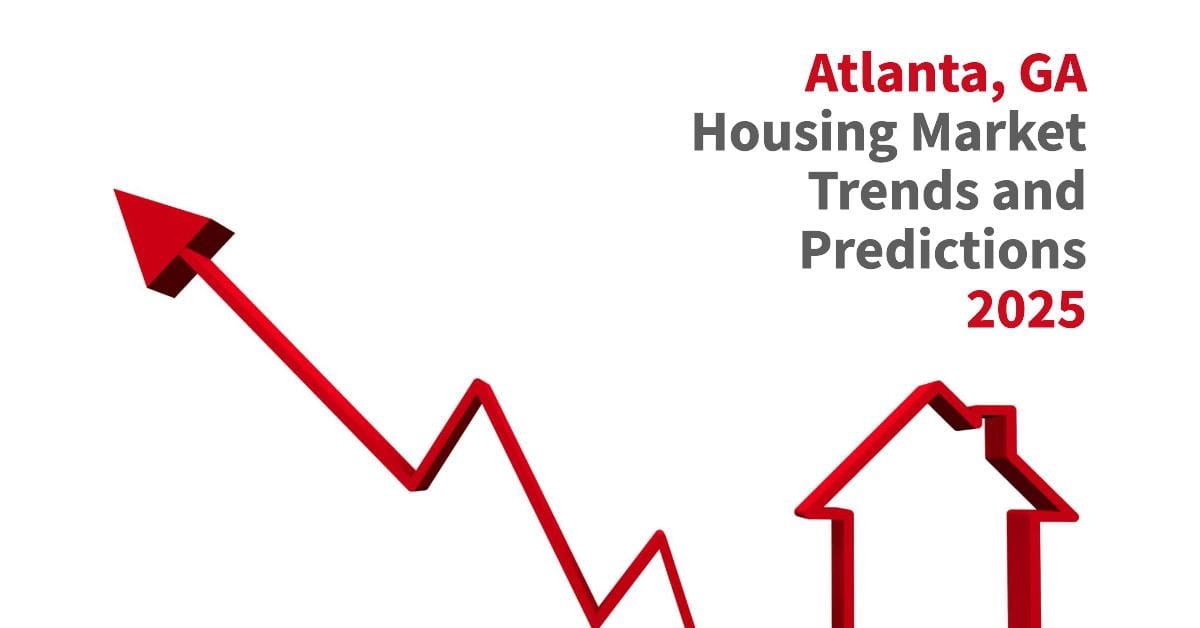
Multifamily assets, similar to other commercial property classes, base their value on two key factors: net operating income (NOI) and capitalization (cap) rates. Regrettably, data from 2023 signals unfavorable conditions for multifamily property values, bolstering “Real Estate Market Crash Predictions” and emphasizing a potential “Multifamily Real Estate Decline 2024”.
Diving Deeper: Impact of Rising Cap Rates on Property Values
A major force behind the ominous “Real Estate Market Crash Predictions” is the rising cap rates. This trend, reflective of investor sentiment, might be triggered by multiple elements such as increased capital costs, an oversupply of properties as well as retarded rent growth. Data from CoStar indicate that the average market cap rates have spiraled from 4.9% in Q2 2022 to 5.6%, a mere year later. This rise discloses the harsh “Impact of Rising Cap Rates on Property Values”.
Valuable Information: Understanding the Slow NOI Growth
Cap rates only portray a portion of the scenario. If NOI expands, it could potentially counterbalance the adverse effects of skyrocketing cap rates. Here’s the silver lining for multifamily investors: There’s been year-over-year rental income growth, albeit at a decelerated pace than previously experienced over the preceding decade. This dynamic showcases the significant “Net Operating Income Trends in Multifamily Market”.
Crucial Considerations: Identification of Investment Risks in Multifamily Properties
As multifamily property pricing undergoes straining pressure alongside potential upheavals in commercial lending, the industry treads on a path of caution. Each investment warrants meticulous analysis to ensure it aligns with your risk tolerance and strategies, particularly in relation to potential “Investment Risks in Multifamily Properties”.
Emphasizing Updated Knowledge: Cameron Academy to the Rescue
At Cameron Academy, we understand the importance of real-time, accurate knowledge in the ever-evolving landscape of real estate. Our proven online courses, exam prep materials and livestream resources are tailor-made to keep you ahead of the curve, ensuring you are equipped to not only anticipate but navigate and thrive during the “Multifamily Real Estate Decline 2024”. Don’t just survive this challenging downturn, conquer it with Cameron Academy!
Turning Market Challenges into Opportunities: Your Action Plan with Cameron Academy
As the gravity of our findings on the anticipated “Multifamily Real Estate Decline 2024” sinks in, it’s crucial to pivot your perspective towards the opportunity nestled within this challenge. While this phase will test the mettle of many professionals in the field of real estate, mortgage, insurance, and beyond, those actively preparing for these shifts are the ones who will stand strong, turning market adversity into asset advancement.
The role of meticulously analyzed data and real estate knowledge in informing your decisions during this shift cannot be overemphasized. Being abreast of the “Real Estate Market Crash Predictions,” understanding the “Net Operating Income Trends in Multifamily Market,” and grasping the profound “Impact of Rising Cap Rates on Property Values” are important gears in your machinery of market resilience. This intelligence is indispensable in not just surviving but thriving amidst the perceived “Investment Risks in Multifamily Properties”.
At Cameron Academy, these insights are not an endpoint, but a mold shaping your professional development. Our robust online real estate courses and exam preparation resources are crafted to guide you through to your licensing, keep you ahead in knowledge and arm you with the necessary skills to navigate through the multifamily real estate market under any circumstances.
We invite you to take the next step in this journey to be a resilient real estate professional. Move ahead of the waves, turn challenges into opportunities and join us in mastering the approaching “Multifamily Real Estate Decline 2024”. We at Cameron Academy are committed to equip you with the tools to not simply survive, but thrive. Make your move today – the future is yours to seize!