In March 2024, the National Association of REALTORS® (NAR) conducted a pivotal survey that unveils a promising horizon for the housing market. The findings suggest that the industry is on the cusp of a “green revolution,” with significant strides being made towards sustainability.
Green Data Fields: A Step Towards Transparency
A notable shift is the integration of green data fields into the Multiple Listing Service (MLS). This innovation is transforming how properties are presented, emphasizing sustainable features to guide buyers towards eco-friendly homes. Such transparency not only promotes healthier living environments but also prepares the housing market for a sustainable future.
Empowering Through Education
Education plays a crucial role in this transformation. The survey reveals that a quarter of individuals living in homes with sustainable features have received some form of training. This growing awareness among real estate professionals encompasses energy-efficient appliances, renewable energy systems, and eco-friendly building materials. Armed with this knowledge, agents are better equipped to advocate for green living, meeting the evolving demands of environmentally conscious clients.
Energy Efficiency: A Key Market Driver
Energy efficiency is becoming a valuable asset in property descriptions, with more than half of the respondents recognizing its importance. As the demand for sustainable living grows, agents who champion energy-efficient properties are positioned as key change agents, enhancing the marketability of these buildings.
Client Interest: Aligning with Eco-Conscious Preferences
The survey highlights a growing client interest in sustainability, with nearly half of respondents noting this trend. This shift underscores the necessity for REALTORS® to align with client preferences, fostering not just transactions but also positive environmental change.
Green Certifications: Dispelling Myths
Contrary to common misconceptions, over 40% of homes with green certifications experienced no difference in market time. This dispels the myth that eco-friendly certifications hinder marketability, highlighting the growing acceptance of green-certified homes.
High-Performance Homes: A Worthwhile Investment
Interestingly, homes with high-performance features command a premium of 1% to 5% in dollar value compared to similar homes. This underscores the financial incentives associated with investing in homes that prioritize comfort, health, and operational efficiency.
Conclusion: A Green Horizon Beckons
The NAR 2024 Sustainability Report paints a landscape ready for transformation. It emphasizes the potential for the residential real estate sector to lead a more sustainable, resilient future by integrating green data fields and accepting eco-friendly certifications.
As interest in sustainable living grows, real estate professionals are essential advocates for eco-friendly homes and practices. By furthering education, championing energy efficiency, and engaging with green properties, the real estate industry is paving the way for a greener future. For more details, explore the NAR 2024 Sustainability Report.
More Articles
Getting licensed or staying ahead in your career can be a journey—but it doesn’t have to be overwhelming. Grab your favorite coffee or tea, take a moment to relax, and browse through our articles. Whether you’re just starting out or renewing your expertise, we’ve got tips, insights, and advice to keep you moving forward. Here’s to your success—one sip and one step at a time!
Fintech has evolved from simple digital banking tools into a global force transforming how we pay, borrow, invest, and manage financial data. With AI, blockchain, and open banking leading the way, fintech is opening new opportunities for consumers, businesses, and professionals across real estate, mortgage, insurance, and finance.
After months of hesitation, the commercial real estate market showed a major resurgence in Q3 2025. Large single‑asset transactions over $10 million jumped to $76 billion — the strongest level since 2022 — signaling renewed liquidity and growing confidence among institutional buyers. While overall volumes remain below peak highs, rising deal counts, stabilizing prices, and increased activity across industrial, multifamily, office, and retail sectors point toward a market steadily moving back toward normalization.
California’s property insurance market didn’t collapse overnight—it unraveled over years of political delays, soaring wildfire losses, and mounting pressure on insurers and reinsurers. As major carriers pulled out and rate approvals stalled, millions of homeowners were left scrambling for coverage under an overwhelmed FAIR Plan. At the center of the controversy stands Insurance Commissioner Ricardo Lara, whose decisions, industry ties, and behind‑the‑scenes negotiations have drawn sharp criticism. The result is a destabilized market affecting homeowners, real estate professionals, lenders, and entire communities—and the question of whether current reforms can truly fix what’s broken.
After a slow start to the year, commercial real estate showed a major resurgence in Q3 2025 as large single‑asset deals over $10 million surged past $76 billion in volume. With 1,826 major trades and the strongest growth rate in more than a decade, investor confidence appears to be returning across U.S. markets. While overall volumes still trail the record highs of 2021–2022, the renewed momentum in big‑ticket transactions points to improving liquidity, clearer pricing, and a potentially pivotal turning point for brokers, investors, and industry professionals.
California’s property insurance market has unraveled into one of the most expensive and consequential crises in U.S. history. Major carriers pulled back, wildfire risks soared, regulators stalled, and the state’s FAIR Plan exploded in size — leaving hundreds of thousands of homeowners without affordable coverage. Now, with victims underinsured, premiums surging, and a billion‑dollar bailout looming, the fallout is spilling beyond California. For real estate, mortgage, finance, and insurance professionals across the country, this is a warning of what happens when rising climate risks collide with outdated regulatory systems.
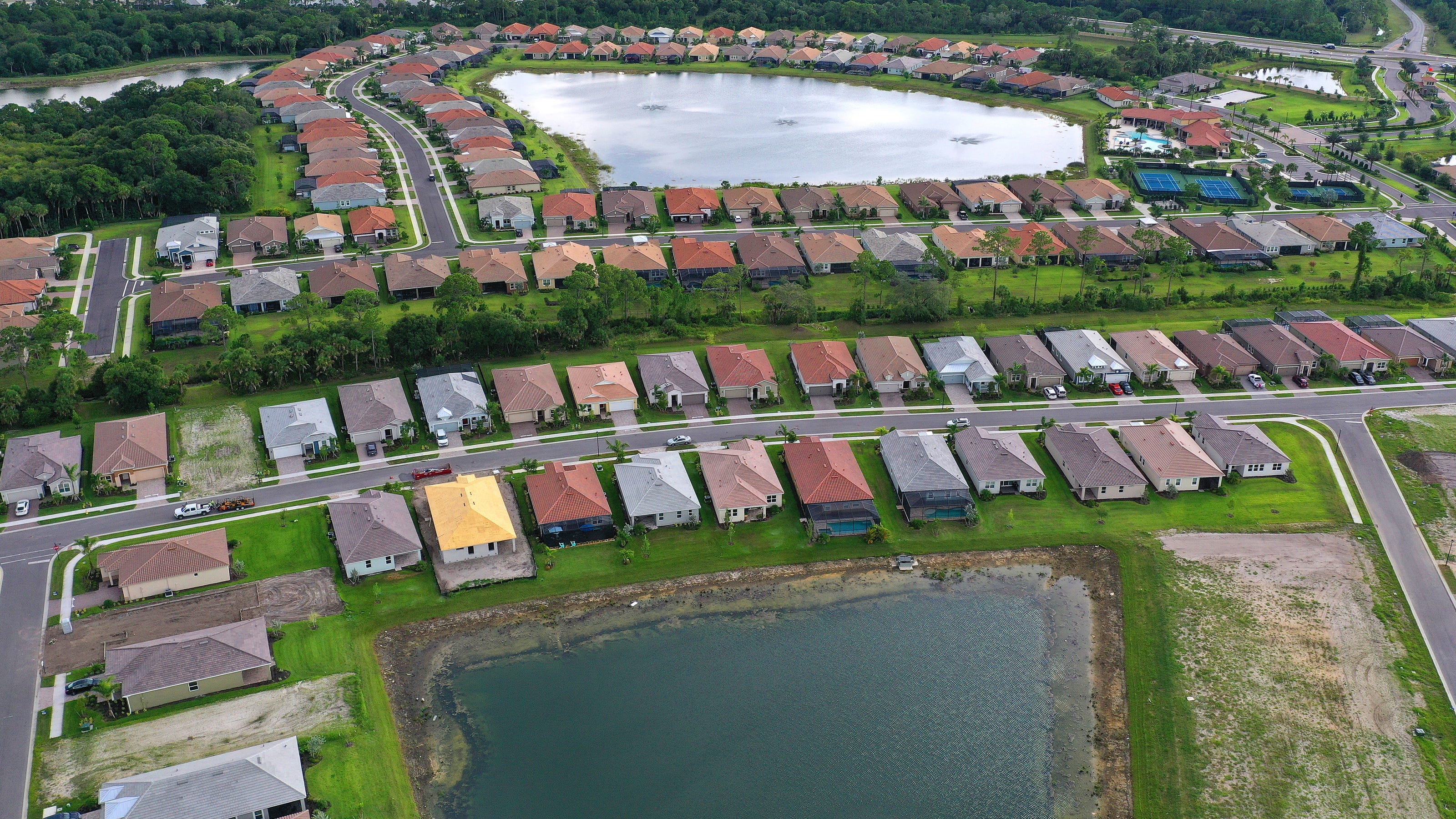
Sarasota County is on the brink of one of its largest modern expansions as the Winchester Ranch project moves closer to approval. Spanning more than 3,100 acres near North Port, the planned mega-development could bring up to 8,999 homes plus major commercial and industrial space. With construction projected to begin in 2027–2028, the community has sparked both excitement over new housing opportunities and concerns about environmental impact, placing it at the center of Florida’s ongoing growth debate.