NAR’s Antitrust Settlement: The Industry Shakeup Every Agent Should Be Watching
The residential real estate world is still feeling the tremors of one of the largest antitrust settlements the industry has ever witnessed. The National Association of Realtors, representing more than 1.5 million members, has stepped into a new era—one defined by transparency, reshaped compensation practices, and shifting dynamics between buyers, sellers, and agents.
This seismic shift stems from a series of class‑action lawsuits filed in 2023 and 2024, culminating in the landmark Burnett v. NAR case. A Missouri jury ruled that NAR and several major brokerages had conspired to inflate commission rates through the long‑standing Cooperative Compensation Rule. With $1.8 billion in damages on the line—and the threat of tripling that amount—NAR ultimately chose to settle for $418 million and commit to sweeping national rule changes.
The most significant reform? The elimination of MLS‑posted offers of compensation to buyer brokers. For decades, this system shaped commission structures and influenced marketing strategies—often without consumers fully understanding the mechanics behind it.
Now, compensation discussions are happening earlier, more openly, and more strategically. Buyer representation agreements must be signed before showings, and open houses now feature clearer disclosures about agency relationships.
How Buyers and Sellers Are Feeling the Impact
Starting in July 2024, buyer agents must secure written representation agreements before the first home tour in many markets. This is new territory for buyers who were once able to browse homes freely before choosing an agent.
Sellers and listing agents are similarly navigating fresh terrain. With compensation no longer visible on MLS platforms, negotiation has shifted off‑platform—and often becomes more assertive.
Related Insight: How pocket listing guidelines reshaped market exposure.
Has Commission Income Really Dropped?
Despite predictions of widespread disruption, the financial impact so far appears relatively mild. Redfin reported that the average buyer’s agent commission in October 2025 was 2.34%—just slightly below 2.45% the previous year.
The true transformation lies in transparency. Compensation is now an early, clear, documented conversation—an evolution toward accountability rather than a decline in income potential.
What This Means for Real Estate Professionals
For both new and seasoned agents, adaptation isn’t optional—it’s vital. Mastering written buyer agreements, navigating compensation negotiations, and communicating value with clarity are now essential skill sets.
This is a prime moment to level up your expertise. Professional schools like Cameron Academy are already integrating these new rules into their Florida real estate licensing and continuing education programs, ensuring agents stay confidently ahead of the curve.
Explore Updated Real Estate Courses
Stay competitive in the post‑settlement market with Cameron Academy.
The industry is evolving fast—but for those who adapt, this shift isn’t a threat—it’s an opportunity.
More Articles
Getting licensed or staying ahead in your career can be a journey—but it doesn’t have to be overwhelming. Grab your favorite coffee or tea, take a moment to relax, and browse through our articles. Whether you’re just starting out or renewing your expertise, we’ve got tips, insights, and advice to keep you moving forward. Here’s to your success—one sip and one step at a time!
In Florida, the earnings of a real estate agent can vary significantly based on numerous factors including experience, location, and the current state of the housing market. The potential earnings are quite broad, with average salaries ranging from $40,000 to $90,000 per year. However, top-performing agents in high-demand areas can earn well above this range, sometimes exceeding $100,000 annually.
Screening prospective tenants who utilize Section 8 vouchers in Florida requires a thorough understanding of both federal and local laws to ensure compliance and avoid potential legal issues.
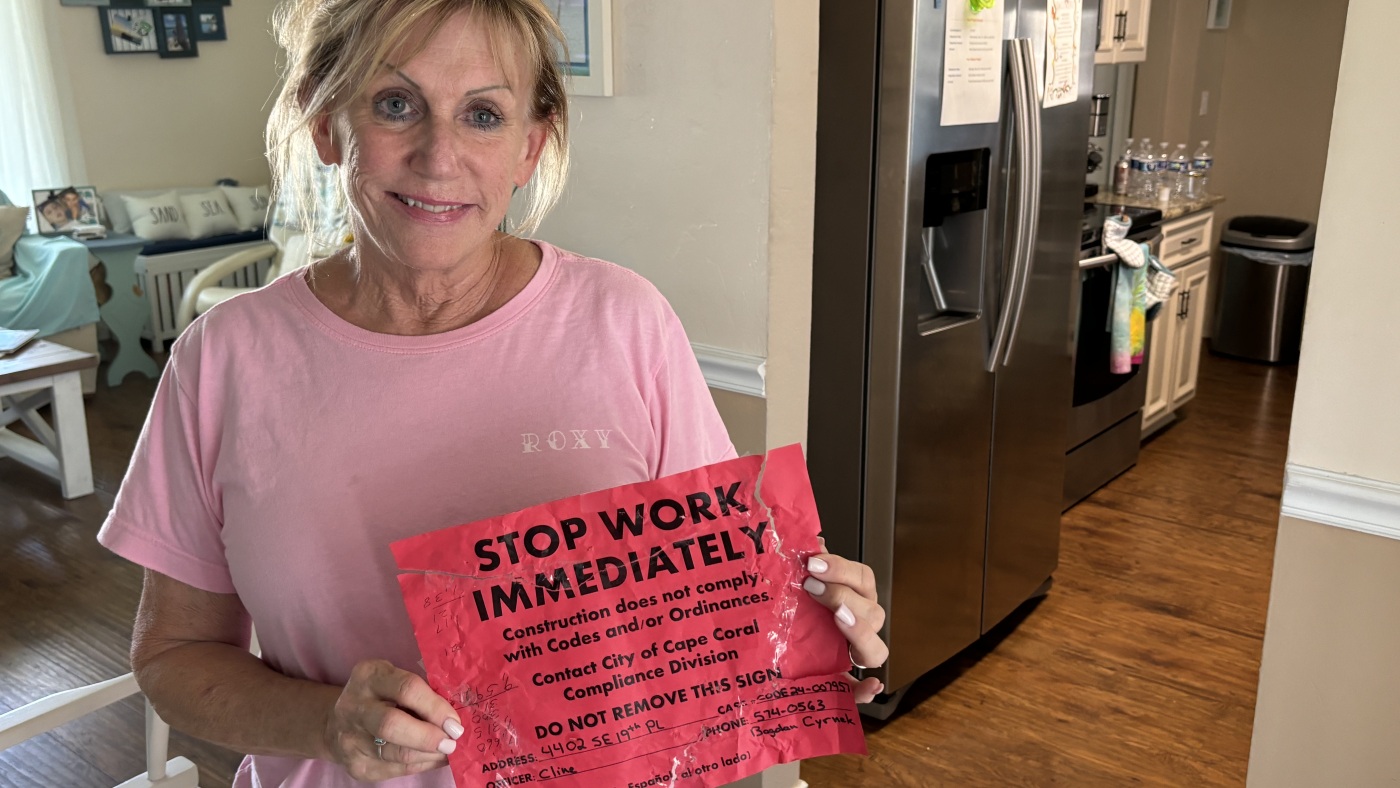
A study by First Street reveals Cape Coral has more properties at risk of flooding than any other city in Florida. Following Hurricane Ian, FEMA withdrew the city's flood insurance discount, blaming improper rebuilding practices.
Goldman Sachs Research has projected a notable increase in US home prices, forecasting a 4.5% rise this year and a 4.4% increase in 2025, as the Federal Reserve is expected to implement interest rate cuts.
In the realm of real estate, myths and misconceptions about Section 8 tenants often cloud the judgment of landlords. These stereotypes suggest that Section 8 tenants might damage property or fail to pay rent. However, these risks are inherent in renting to any tenant, not just those participating in the Section 8 program. The key to mitigating these risks lies in a robust and consistent screening process.