NAR’s Antitrust Settlement: The Industry Shakeup Every Agent Should Be Watching
The residential real estate world is still feeling the tremors of one of the largest antitrust settlements the industry has ever witnessed. The National Association of Realtors, representing more than 1.5 million members, has stepped into a new era—one defined by transparency, reshaped compensation practices, and shifting dynamics between buyers, sellers, and agents.
This seismic shift stems from a series of class‑action lawsuits filed in 2023 and 2024, culminating in the landmark Burnett v. NAR case. A Missouri jury ruled that NAR and several major brokerages had conspired to inflate commission rates through the long‑standing Cooperative Compensation Rule. With $1.8 billion in damages on the line—and the threat of tripling that amount—NAR ultimately chose to settle for $418 million and commit to sweeping national rule changes.
The most significant reform? The elimination of MLS‑posted offers of compensation to buyer brokers. For decades, this system shaped commission structures and influenced marketing strategies—often without consumers fully understanding the mechanics behind it.
Now, compensation discussions are happening earlier, more openly, and more strategically. Buyer representation agreements must be signed before showings, and open houses now feature clearer disclosures about agency relationships.
How Buyers and Sellers Are Feeling the Impact
Starting in July 2024, buyer agents must secure written representation agreements before the first home tour in many markets. This is new territory for buyers who were once able to browse homes freely before choosing an agent.
Sellers and listing agents are similarly navigating fresh terrain. With compensation no longer visible on MLS platforms, negotiation has shifted off‑platform—and often becomes more assertive.
Related Insight: How pocket listing guidelines reshaped market exposure.
Has Commission Income Really Dropped?
Despite predictions of widespread disruption, the financial impact so far appears relatively mild. Redfin reported that the average buyer’s agent commission in October 2025 was 2.34%—just slightly below 2.45% the previous year.
The true transformation lies in transparency. Compensation is now an early, clear, documented conversation—an evolution toward accountability rather than a decline in income potential.
What This Means for Real Estate Professionals
For both new and seasoned agents, adaptation isn’t optional—it’s vital. Mastering written buyer agreements, navigating compensation negotiations, and communicating value with clarity are now essential skill sets.
This is a prime moment to level up your expertise. Professional schools like Cameron Academy are already integrating these new rules into their Florida real estate licensing and continuing education programs, ensuring agents stay confidently ahead of the curve.
Explore Updated Real Estate Courses
Stay competitive in the post‑settlement market with Cameron Academy.
The industry is evolving fast—but for those who adapt, this shift isn’t a threat—it’s an opportunity.
More Articles
Getting licensed or staying ahead in your career can be a journey—but it doesn’t have to be overwhelming. Grab your favorite coffee or tea, take a moment to relax, and browse through our articles. Whether you’re just starting out or renewing your expertise, we’ve got tips, insights, and advice to keep you moving forward. Here’s to your success—one sip and one step at a time!
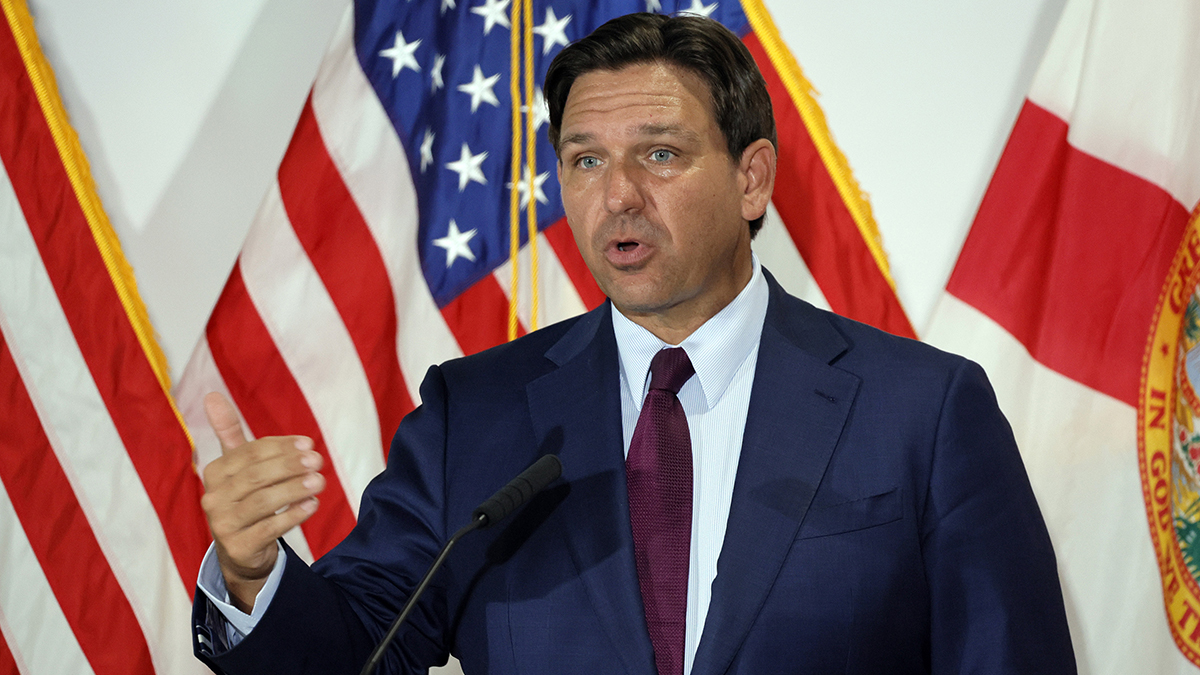
Florida homeowners — especially in hard‑hit South Florida — are set to see rare and substantial reductions in their property insurance premiums. Gov. Ron DeSantis announced an average statewide Citizens Insurance decrease of 8.7%, with even larger savings of up to 14% in counties like Miami-Dade, Broward, and Palm Beach. State officials credit recent legal and regulatory reforms for stabilizing the market, attracting new insurers, and delivering the first meaningful rate relief Floridians have seen in years.
Tampa’s commercial real estate market isn’t slowing—it’s maturing. With strong population growth, rising office demand, a normalized industrial sector, resurgent retail, and an emerging health‑care real estate boom, investors are shifting from speed to strategy. Tighter underwriting, cautious capital and increased due‑diligence are shaping a more disciplined market, creating new opportunities for informed professionals.
Florida homeowners are finally seeing relief as Citizens Property Insurance announces a major 8.7% average rate decrease—far larger than originally proposed. Driven by legislative reforms, fewer lawsuits, and a calm hurricane season, the state’s once‑unstable insurance market is showing real signs of recovery. But with reduced coverage limits and shifting legal protections, experts warn that lower premiums may come with hidden trade‑offs.
After a decade of rising premiums and retreating carriers, Florida homeowners are finally seeing long‑awaited relief. Dozens of insurers have filed for rate decreases—some as high as 11%—thanks to legislative reforms and a stabilizing market. Early approvals are already hitting counties across the state, and experts say the momentum could boost buyer confidence, affordability, and competition throughout Florida’s real estate and insurance sectors.
After years of slowed activity caused by rising interest rates, the self‑storage industry is heating up again. New data from Marcus & Millichap shows a fresh market cycle emerging, driven by renewed buyer confidence, recalibrated pricing, and stronger lender participation. Acquisitions are rebounding, development is resetting in a healthier direction, and financing conditions are improving—creating one of the most promising investment landscapes the sector has seen in years.
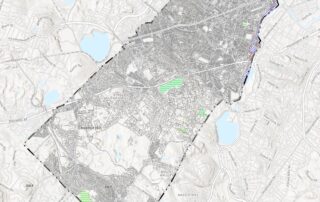
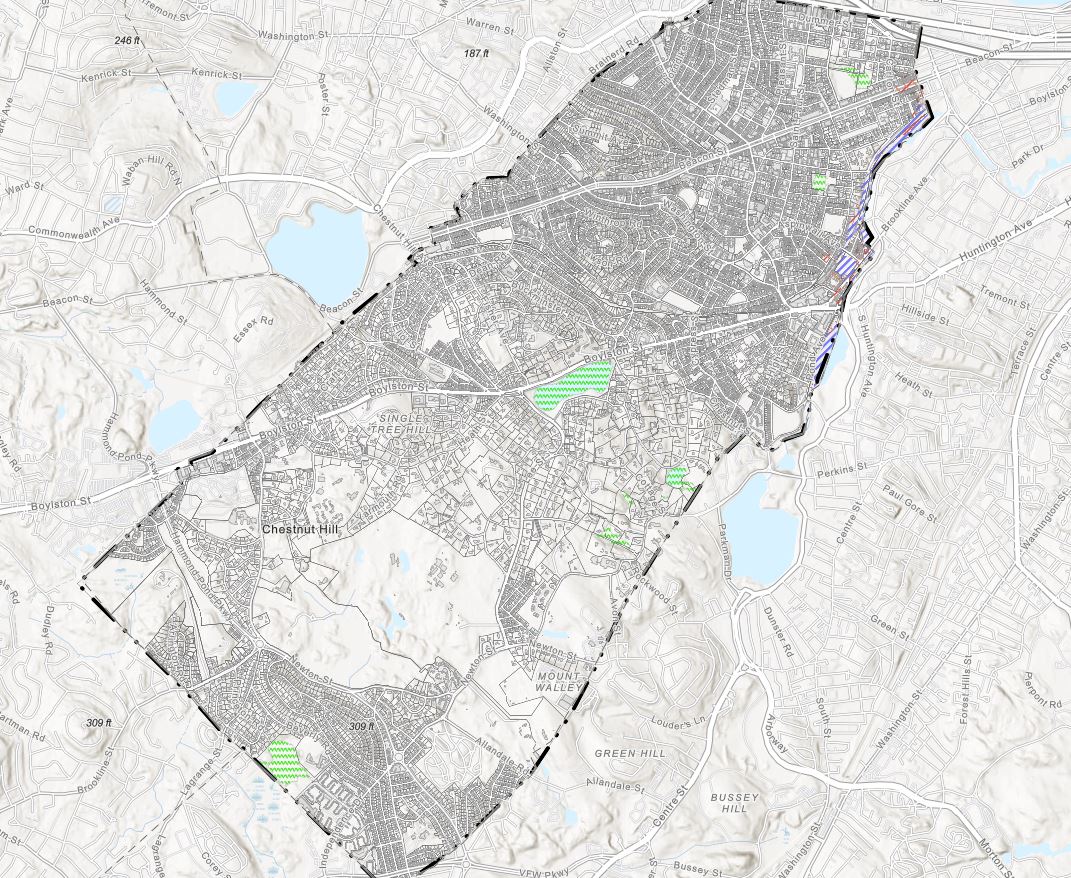
Brookline’s newly updated FEMA flood maps identify 97 high‑risk parcels, but local experts warn the true threat is far greater. While FEMA highlights river‑based flooding around Leverett Pond and the Muddy River, alternative models show more than 1,300 Brookline properties at risk within 30 years. Hidden vulnerabilities along major corridors like Beacon Street, rising rainfall intensity, aging infrastructure, and climate‑driven storm patterns suggest that many “low‑risk” areas may be anything but safe.