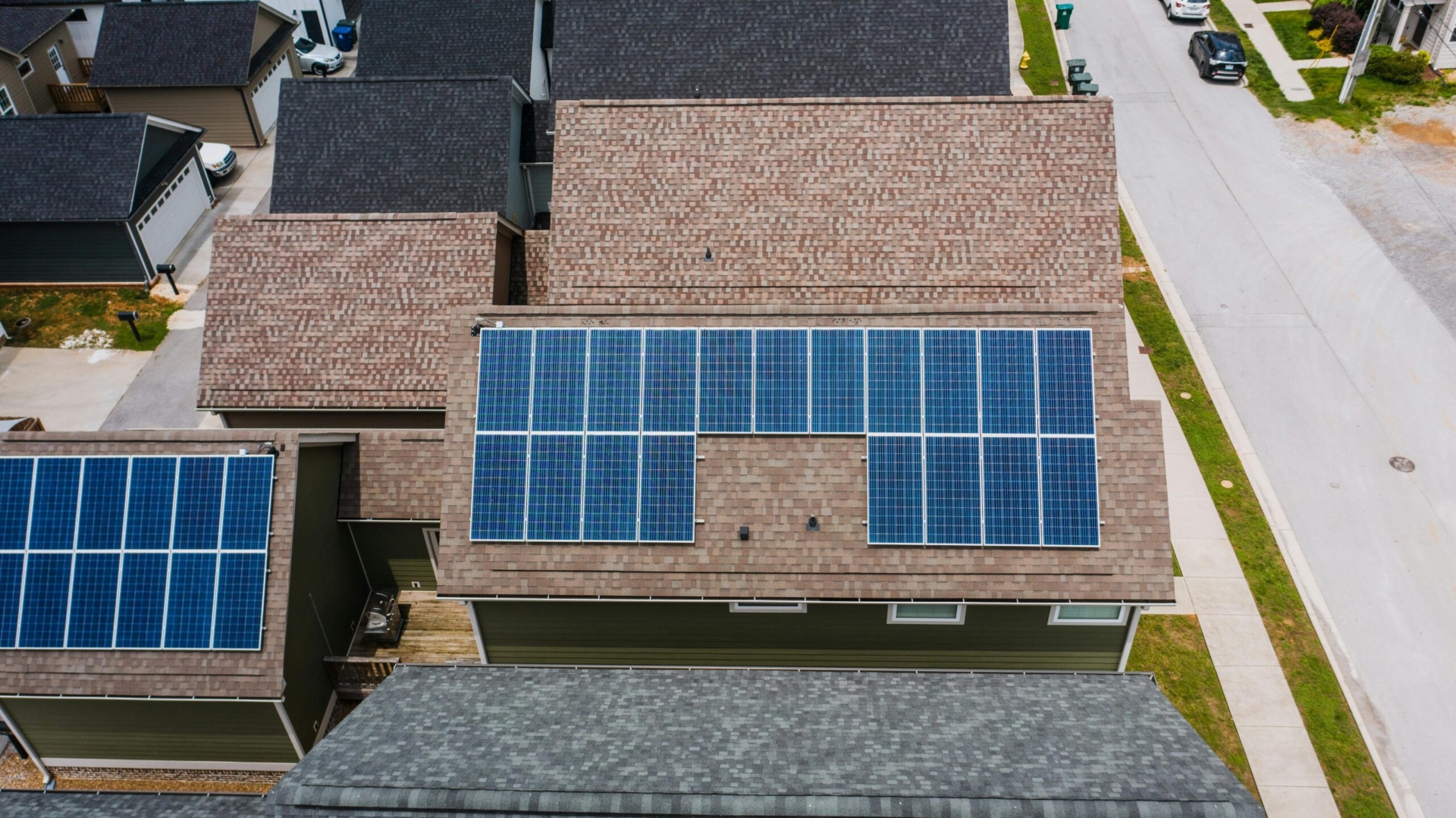
In March 2024, the National Association of REALTORS® conducted a groundbreaking survey that unveils a pivotal shift in the housing market towards sustainability. This “green revolution” is marked by the integration of green data fields in the Multiple Listing Service (MLS), which now features prominently in 40% of listings. This shift enhances awareness among potential buyers about eco-friendly home features, promoting healthier living environments.
Green Data Fields: Illuminating Sustainable Features
The inclusion of green data fields signifies a transformative change in how residential properties are presented. These fields serve as guiding lights for buyers interested in earth-friendly homes, ensuring that sustainable features are highlighted and easily accessible.
Education plays a crucial role in this green transition. The survey reveals that 25% of residents in homes with sustainable features have received training related to these aspects. This growing understanding of energy-efficient appliances, renewable energy systems, and environmentally-friendly building materials empowers real estate agents to champion green living and cater to eco-conscious clients.
Energy Efficiency: A Valuable Asset
The emphasis on energy efficiency is evident, with over half of the respondents acknowledging its importance in property listings. This focus is crucial for attracting buyers and enhancing the marketability of homes, as demand for sustainable living solutions continues to rise.
Client Interest: A Shift Towards Sustainability
Nearly half of the respondents noted a growing interest in sustainability from their clients, indicating a broader societal movement towards eco-conscious living. By aligning with these evolving priorities, REALTORS® are not only facilitating transactions but also advancing environmental sustainability.
Green Certifications: Dispelling Myths
The survey dispels common myths that green certifications hinder marketability. Over 40% of green-certified homes did not experience prolonged time on the market, showcasing the acceptance of eco-friendly certifications among buyers.
Client Priorities: Comfort Meets Consciousness
Clients are increasingly prioritizing features like windows, doors, and living spaces alongside sustainability in homes. This dual focus underscores the need for holistic design approaches that balance environmental responsibility with quality of life.
High-Performance Homes: Investing in the Future
The survey reveals that 13% of high-performance homes command a 1% to 5% premium over their non-high-performance counterparts. This financial incentive highlights the value of investing in homes that prioritize comfort, health, and operational efficiency.
Direct Involvement: Driving Change
A significant majority of respondents have been directly involved with properties featuring green elements in the past year, reflecting the proactive steps the real estate industry is taking to integrate sustainability into residential transactions.
Conclusion: A Green Horizon Beckons
The NAR 2024 Sustainability Report outlines a promising landscape for sustainable real estate. With the integration of green data fields and increasing client interest in eco-friendly homes, the sector is poised to lead the transition towards a greener future. By emphasizing education, advocating energy efficiency, and engaging with green properties, real estate professionals are setting the foundation for a more sustainable market.
More Articles
Getting licensed or staying ahead in your career can be a journey—but it doesn’t have to be overwhelming. Grab your favorite coffee or tea, take a moment to relax, and browse through our articles. Whether you’re just starting out or renewing your expertise, we’ve got tips, insights, and advice to keep you moving forward. Here’s to your success—one sip and one step at a time!
In a landscape where student loan debt is a growing concern, borrowers are exploring creative methods to manage their financial obligations. According to EducationData.org's 2023 report, the average federal student loan borrower owes $37,574, while private borrowers face an even steeper average of $54,921. With these daunting figures, many are considering unconventional methods to ease their financial burden.
As inflation trends downward, the construction industry faces a paradox: the relentless rise in residential construction material costs since early 2024. This surge, marking its peak in June 2024, presents a formidable challenge for home builders already navigating inflated expenses.
Pittsburgh, Pennsylvania, emerges as the front-runner, showcasing a harmonious blend of low median home prices and affordable homeowner costs. With a median home price of $236,067, Pittsburgh homeowners spend just 14.8% of their median household income on housing costs, making it an attractive destination for budget-conscious buyers.
Traditional construction methods have posed significant environmental challenges. Increasingly, technology plays a crucial role in transforming the industry, fostering eco-friendly construction methods.
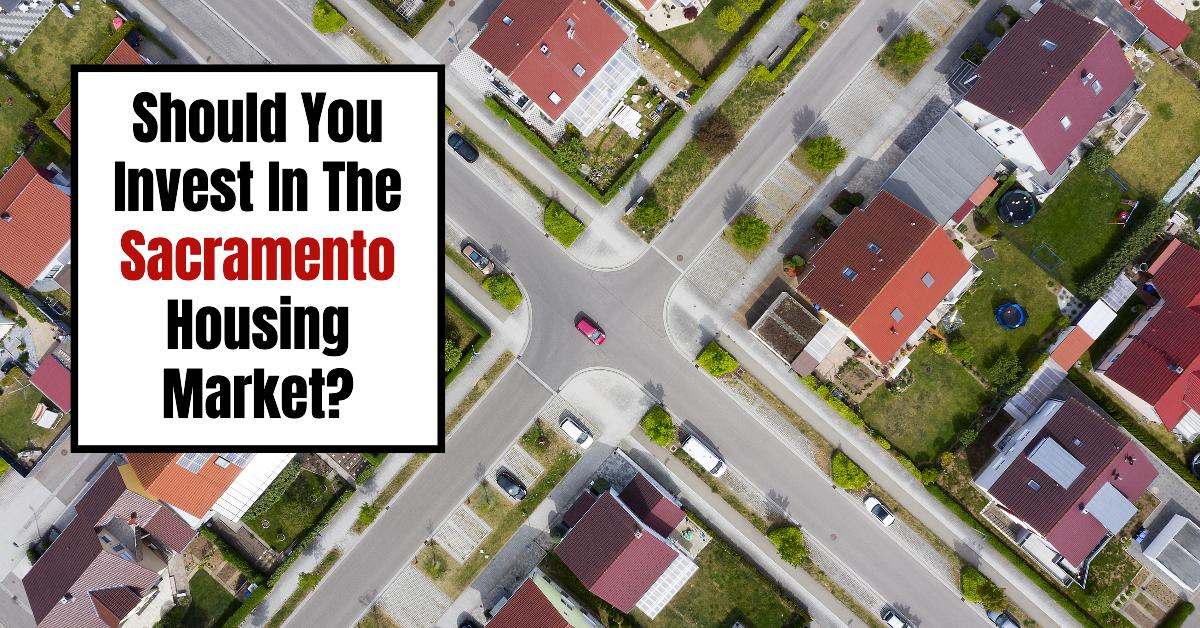
Sacramento, the capital of California, has seen notable shifts in its real estate market over the years. The city's significant population growth has led to increased housing demand. As job opportunities expand, particularly in the tech and healthcare sectors, the potential for property value appreciation becomes enticing for investors.