In March 2024, the National Association of REALTORS® conducted a groundbreaking survey that unveils a pivotal shift in the housing market towards sustainability. This “green revolution” is marked by the integration of green data fields in the Multiple Listing Service (MLS), which now features prominently in 40% of listings. This shift enhances awareness among potential buyers about eco-friendly home features, promoting healthier living environments.
Green Data Fields: Illuminating Sustainable Features
The inclusion of green data fields signifies a transformative change in how residential properties are presented. These fields serve as guiding lights for buyers interested in earth-friendly homes, ensuring that sustainable features are highlighted and easily accessible.
Education plays a crucial role in this green transition. The survey reveals that 25% of residents in homes with sustainable features have received training related to these aspects. This growing understanding of energy-efficient appliances, renewable energy systems, and environmentally-friendly building materials empowers real estate agents to champion green living and cater to eco-conscious clients.
Energy Efficiency: A Valuable Asset
The emphasis on energy efficiency is evident, with over half of the respondents acknowledging its importance in property listings. This focus is crucial for attracting buyers and enhancing the marketability of homes, as demand for sustainable living solutions continues to rise.
Client Interest: A Shift Towards Sustainability
Nearly half of the respondents noted a growing interest in sustainability from their clients, indicating a broader societal movement towards eco-conscious living. By aligning with these evolving priorities, REALTORS® are not only facilitating transactions but also advancing environmental sustainability.
Green Certifications: Dispelling Myths
The survey dispels common myths that green certifications hinder marketability. Over 40% of green-certified homes did not experience prolonged time on the market, showcasing the acceptance of eco-friendly certifications among buyers.
Client Priorities: Comfort Meets Consciousness
Clients are increasingly prioritizing features like windows, doors, and living spaces alongside sustainability in homes. This dual focus underscores the need for holistic design approaches that balance environmental responsibility with quality of life.
High-Performance Homes: Investing in the Future
The survey reveals that 13% of high-performance homes command a 1% to 5% premium over their non-high-performance counterparts. This financial incentive highlights the value of investing in homes that prioritize comfort, health, and operational efficiency.
Direct Involvement: Driving Change
A significant majority of respondents have been directly involved with properties featuring green elements in the past year, reflecting the proactive steps the real estate industry is taking to integrate sustainability into residential transactions.
Conclusion: A Green Horizon Beckons
The NAR 2024 Sustainability Report outlines a promising landscape for sustainable real estate. With the integration of green data fields and increasing client interest in eco-friendly homes, the sector is poised to lead the transition towards a greener future. By emphasizing education, advocating energy efficiency, and engaging with green properties, real estate professionals are setting the foundation for a more sustainable market.
More Articles
Getting licensed or staying ahead in your career can be a journey—but it doesn’t have to be overwhelming. Grab your favorite coffee or tea, take a moment to relax, and browse through our articles. Whether you’re just starting out or renewing your expertise, we’ve got tips, insights, and advice to keep you moving forward. Here’s to your success—one sip and one step at a time!
The title insurance industry is entering 2026 with a renewed focus on technology, operational efficiency, and stronger agent support after years of volatility. Leaders from major underwriters report rising transaction activity, improved affordability, and a surge in automation and fraud‑prevention tools—signs that smarter systems and better training will define the next wave of growth.
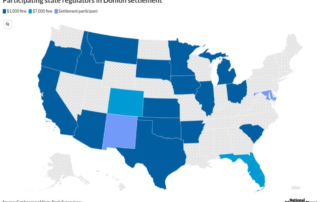
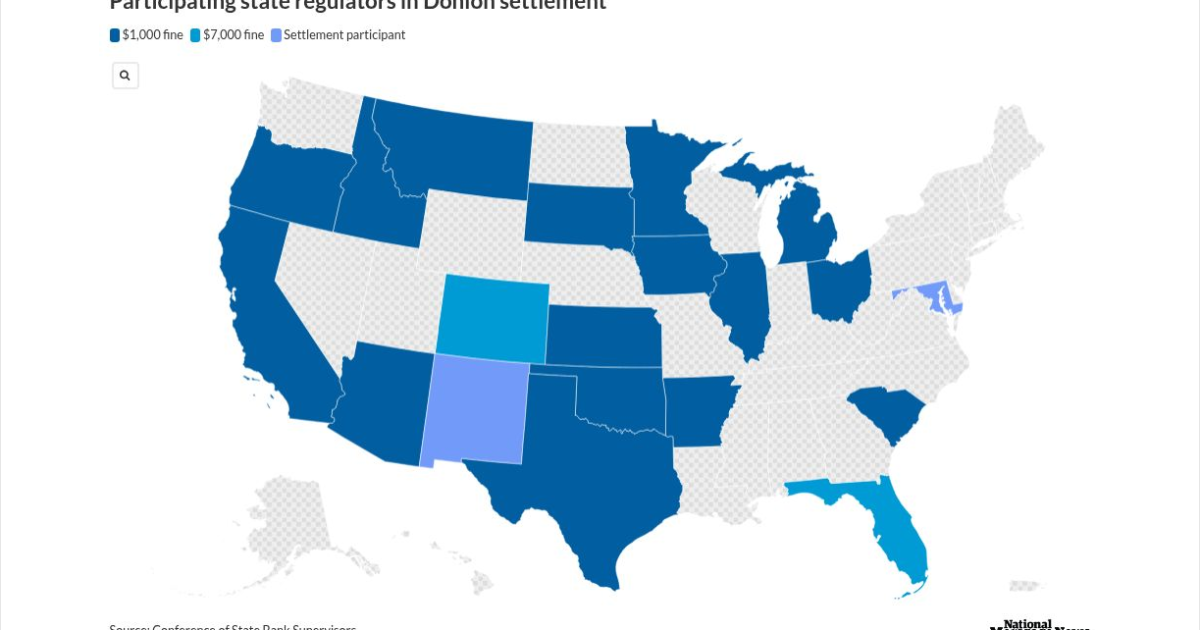
A multistate crackdown has sent shockwaves through the mortgage industry as Patrick Terrance Donlon, CEO of Trusted American Mortgage, accepted a sweeping settlement that bans him from working as a mortgage loan originator in 21 states—19 of them permanently. Regulators say Donlon had another individual complete his mandatory licensing and continuing‑education courses, a violation that triggered a coordinated investigation and a $31,000 penalty. The case underscores regulators’ growing intolerance for education fraud and serves as a sharp reminder to industry professionals: cutting corners on licensing can end careers.
Florida’s once‑booming housing market is cooling fast as rising insurance premiums, increasing foreclosures, and expanding flood zones push buyers to back out of deals and force sellers to cut prices. With insurance now adding thousands to annual housing costs, professionals across real estate, mortgage, and insurance are navigating a dramatically shifting landscape that’s redefining affordability in the Sunshine State.
Florida begins 2026 with a wave of more than 250 new laws now in effect, impacting healthcare, insurance, real estate, and consumer protections statewide. From free breast cancer screenings for state employees to tighter pet insurance regulations, mandatory healthcare refund rules, enhanced animal‑cruelty penalties, and new condo‑management requirements, these updates carry major implications for professionals navigating Florida’s evolving regulatory landscape.
Florida’s barrier islands may offer postcard-perfect beaches and soaring real estate demand, but they’re also some of the most fragile and costly places to build in the United States. With 765,000 residents living on land that shifts, sinks, and takes the brunt of every major hurricane, the financial and insurance risks are accelerating fast. From billion‑dollar beach rebuilds to towers settling into the sand, today’s coastal development challenges are reshaping conversations around property values, disclosure, and long‑term resilience. For real estate professionals, understanding these risks isn’t just smart — it’s becoming essential.
A Cedar City development is turning heads with its fresh approach to affordability. The team behind Temple View Commons is delivering luxury‑inspired twin homes at prices below the local median by using a small, hands‑on staff and cutting traditional costs like realtor commissions. In a tight Utah housing market where inventory is scarce and prices remain high, their strategy offers a realistic path to homeownership without sacrificing high‑end finishes.


 Title Insurance Leaders Double Down on Tech and Efficiency to Drive 2026 Market Momentum Gallery