The exploration of artificial intelligence (AI) in healthcare has seen transformative growth, heralding an era of dynamic innovation. Clinicians now find themselves at the forefront of a technological revolution that promises to tackle complex healthcare challenges. Key to this evolution is the adoption of generative AI models and multimodal approaches that open new possibilities for solving entrenched healthcare problems.
However, successful AI integration in healthcare demands clinician involvement throughout the research, development, and implementation phases. In a systematic review, inconsistent collaboration between developers and clinicians was noted during AI tool creation, often occurring at later stages. Achieving trust in AI systems, addressing burnout, and ensuring liability are vital concerns that signify the need for a multidisciplinary approach in AI development.
The Road to Becoming an AI-Literate Clinician
Understanding AI:
Clinicians should establish concrete learning goals as the first step on their AI journey. Familiarity with AI terminology and competencies is critical. This understanding forms the basis for evaluating AI tools, enhancing patient care, and promoting operational efficacy without relying solely on technical teams.
Formal Education & Practical Exposure:
Incorporating AI education into medical curricula can accelerate adoption among clinicians. Training in programming languages such as Python complements hands-on experimentation, essential for grasping the nuances of AI applications. Online and in-person courses each offer unique benefits – clinicians should choose based on flexibility, cost, and networking opportunities.
Healthcare AI Resource Toolkit
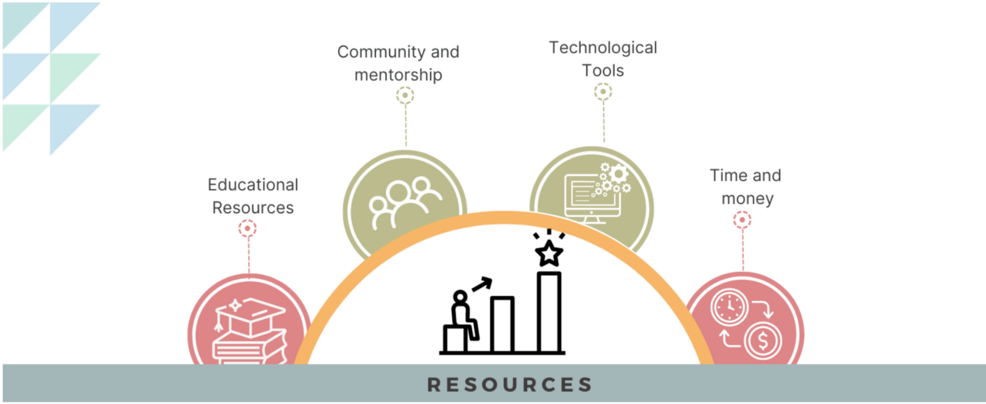
A plethora of resources is available for clinicians to kickstart their AI journey. These include specialized online courses, academic journals, textbooks, and vibrant community networks, all of which serve as valuable knowledge reservoirs. Engaging in datathons and collaborative projects can foster a deep understanding and practical application of AI.
Clinicians can set milestones to gauge progress, from pilot projects to course completion. Recognizing process and outcome measures is critical, allowing practitioners to refine strategies and incorporate feedback for continuous learning and adaptation.
Conclusion
AI in healthcare unveils exciting avenues for learning and innovation. Equipped with structured approaches and resources, clinicians can actively contribute to AI development, ensuring that solutions are both patient-centered and impactful. Through proactive engagement with AI, healthcare professionals can drive forward a new era of patient care enhancement and operational excellence.
More Articles
Getting licensed or staying ahead in your career can be a journey—but it doesn’t have to be overwhelming. Grab your favorite coffee or tea, take a moment to relax, and browse through our articles. Whether you’re just starting out or renewing your expertise, we’ve got tips, insights, and advice to keep you moving forward. Here’s to your success—one sip and one step at a time!
Tampa Bay’s real estate market is entering a rare sweet spot in 2026—balancing rising inventory, steady demand, and booming commercial development. With housing supply up to 4.3 months and prices stabilizing, the region is shifting from frenzy to sustainable growth. Population migration, modernized commercial spaces, and lifestyle-focused districts like Water Street and Midtown continue to fuel Tampa’s evolution. But even amid luxury expansion, affordability remains the top challenge shaping the next phase of opportunity for real estate professionals.
Each year, AZ Big Media spotlights the visionaries shaping Arizona’s fast‑growing commercial real estate landscape. The 2026 AZ Big 100 list highlights 50 influential builders, developers, architects, and innovators who are driving sustainable growth, expanding infrastructure, and redefining community-focused design. For professionals in real estate, construction, finance, and related fields, this roundup offers a powerful look at the leadership and trends guiding Arizona’s next era of development.
After years of relentless premium increases, State Farm has filed for a 10% homeowners insurance rate reduction in Florida, signaling that recent legislative reforms may finally be stabilizing the state’s turbulent insurance market. This move could pressure other insurers to follow and marks one of the first meaningful signs of relief for Florida homeowners and real estate professionals.
Illinois has updated its insurance supplier diversity reporting requirements, impacting insurers, HMOs, dental plan corporations, and accredited reinsurers with at least $50 million in admitted assets. Beginning April 1, 2026, companies must use the state’s new PDF template and file through SERFF, following strict formatting rules for procurement, certification types, and diversity goals. The update signals a stronger statewide push for transparency and equitable contracting, making accurate compliance essential for insurance and finance professionals.
YouTube superstar MrBeast has officially moved into the world of finance with his acquisition of Step, a fast‑growing youth money management app backed by Stripe and major venture investors. Now operating under Beast Industries, Step is poised to bring modern financial tools—like credit building, investing, and budgeting—to millions of teens and young adults. With MrBeast’s massive reach and Step’s existing user base of over 7 million, this move could reshape how the next generation learns essential financial skills, giving future professionals a stronger foundation whether they pursue real estate, mortgage, insurance, finance, or any career where smart money decisions matter.
Long Island’s commercial market just hit an all‑time high, closing $4.1 billion in commercial real estate sales across Nassau and Suffolk counties in 2025—a 71 percent jump from the prior year. Specialty-use properties like assisted living and self‑storage led the surge, fueled by lower interest rates and renewed investor confidence.