
Introduction & Background

The exploration of artificial intelligence (AI) in healthcare has seen transformative growth, heralding an era of dynamic innovation. Clinicians now find themselves at the forefront of a technological revolution that promises to tackle complex healthcare challenges. Key to this evolution is the adoption of generative AI models and multimodal approaches that open new possibilities for solving entrenched healthcare problems.
However, successful AI integration in healthcare demands clinician involvement throughout the research, development, and implementation phases. In a systematic review, inconsistent collaboration between developers and clinicians was noted during AI tool creation, often occurring at later stages. Achieving trust in AI systems, addressing burnout, and ensuring liability are vital concerns that signify the need for a multidisciplinary approach in AI development.

The Road to Becoming an AI-Literate Clinician

Understanding AI: Clinicians should establish concrete learning goals as the first step on their AI journey. Familiarity with AI terminology and competencies is critical. This understanding forms the basis for evaluating AI tools, enhancing patient care, and promoting operational efficacy without relying solely on technical teams.
Formal Education & Practical Exposure: Incorporating AI education into medical curricula can accelerate adoption among clinicians. Training in programming languages such as Python complements hands-on experimentation, essential for grasping the nuances of AI applications. Online and in-person courses each offer unique benefits – clinicians should choose based on flexibility, cost, and networking opportunities.

Healthcare AI Resource Toolkit

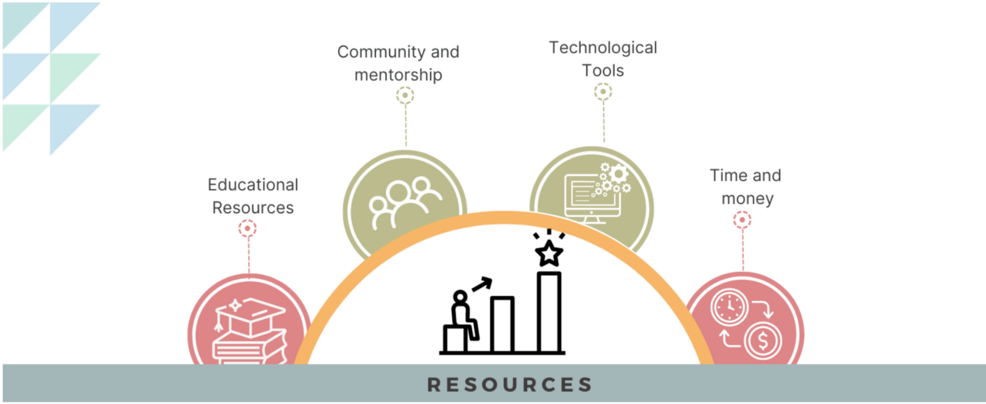
A plethora of resources is available for clinicians to kickstart their AI journey. These include specialized online courses, academic journals, textbooks, and vibrant community networks, all of which serve as valuable knowledge reservoirs. Engaging in datathons and collaborative projects can foster a deep understanding and practical application of AI.

Measuring Success

Clinicians can set milestones to gauge progress, from pilot projects to course completion. Recognizing process and outcome measures is critical, allowing practitioners to refine strategies and incorporate feedback for continuous learning and adaptation. Identifying key resources

Conclusion

AI in healthcare unveils exciting avenues for learning and innovation. Equipped with structured approaches and resources, clinicians can actively contribute to AI development, ensuring that solutions are both patient-centered and impactful. Through proactive engagement with AI, healthcare professionals can drive forward a new era of patient care enhancement and operational excellence.

More Articles

Getting licensed or staying ahead in your career can be a journey—but it doesn’t have to be overwhelming. Grab your favorite coffee or tea, take a moment to relax, and browse through our articles. Whether you’re just starting out or renewing your expertise, we’ve got tips, insights, and advice to keep you moving forward. Here’s to your success—one sip and one step at a time!

AI in Healthcare: A Revolution in Progress or Just Hype?

AI accelerated the development of mRNA vaccines during the COVID-19 pandemic and is now being leveraged to create new protections against many other diseases.

NIH Hosts Workshop on AI in Precision Medicine for Diabetes

In a groundbreaking initiative, the National Institutes of Health (NIH) is spearheading a workshop titled "Artificial Intelligence in Precision Medicine for Diabetes and Other Chronic Diseases." This event is set to explore the transformative potential of artificial intelligence (AI) and machine learning (ML) in advancing precision medicine, particularly for diabetes and chronic diseases.

How DeFi is Reshaping Traditional Banking Systems

DeFi is emerging as a formidable disruptor to traditional banking systems, offering a new paradigm for handling financial transactions without intermediaries like banks.

By |November 15, 2024|Categories: Article, Finance, Technology|Tags: , |0 Comments

The Crypto Revolution: Bridging Traditional Finance and DeFi

With the rise of Bitcoin and decentralized finance (DeFi), traditional finance is experiencing a seismic shift. This transformation is not just a passing trend but a fundamental change in how financial systems operate, offering a fascinating juxtaposition of innovation and regulation.

By |November 15, 2024|Categories: Article, Finance, Technology|Tags: , |0 Comments

AI and Machine Learning: Transforming Healthcare Today

The integration of AI into healthcare systems is not just a vision of the future; it is happening right now. Already, AI is being harnessed to develop new drugs, enhance diagnostic accuracy, and improve patient access to critical care.

Revamping New York City: A New Era of Commercial Zoning

In a significant stride towards modernizing New York City's landscape, the City Council has approved a landmark initiative aimed at revitalizing commercial zoning regulations.