The exploration of artificial intelligence (AI) in healthcare has seen transformative growth, heralding an era of dynamic innovation. Clinicians now find themselves at the forefront of a technological revolution that promises to tackle complex healthcare challenges. Key to this evolution is the adoption of generative AI models and multimodal approaches that open new possibilities for solving entrenched healthcare problems.
However, successful AI integration in healthcare demands clinician involvement throughout the research, development, and implementation phases. In a systematic review, inconsistent collaboration between developers and clinicians was noted during AI tool creation, often occurring at later stages. Achieving trust in AI systems, addressing burnout, and ensuring liability are vital concerns that signify the need for a multidisciplinary approach in AI development.
The Road to Becoming an AI-Literate Clinician
Understanding AI:
Clinicians should establish concrete learning goals as the first step on their AI journey. Familiarity with AI terminology and competencies is critical. This understanding forms the basis for evaluating AI tools, enhancing patient care, and promoting operational efficacy without relying solely on technical teams.
Formal Education & Practical Exposure:
Incorporating AI education into medical curricula can accelerate adoption among clinicians. Training in programming languages such as Python complements hands-on experimentation, essential for grasping the nuances of AI applications. Online and in-person courses each offer unique benefits – clinicians should choose based on flexibility, cost, and networking opportunities.
Healthcare AI Resource Toolkit
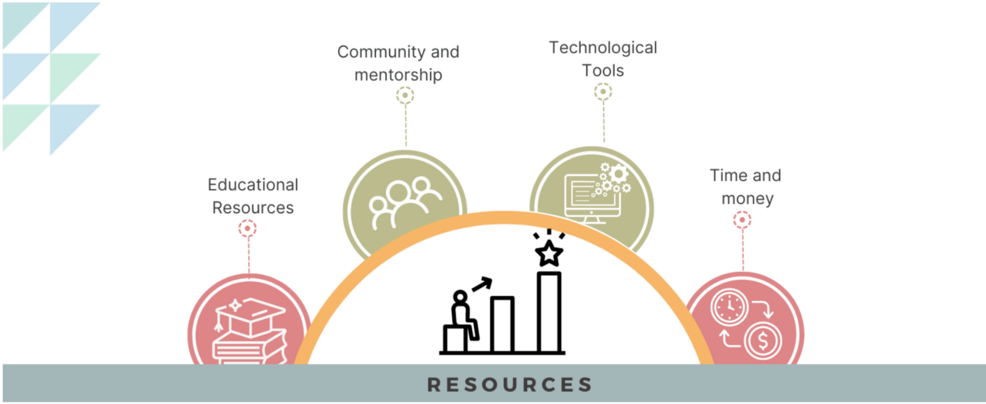
A plethora of resources is available for clinicians to kickstart their AI journey. These include specialized online courses, academic journals, textbooks, and vibrant community networks, all of which serve as valuable knowledge reservoirs. Engaging in datathons and collaborative projects can foster a deep understanding and practical application of AI.
Clinicians can set milestones to gauge progress, from pilot projects to course completion. Recognizing process and outcome measures is critical, allowing practitioners to refine strategies and incorporate feedback for continuous learning and adaptation.
Conclusion
AI in healthcare unveils exciting avenues for learning and innovation. Equipped with structured approaches and resources, clinicians can actively contribute to AI development, ensuring that solutions are both patient-centered and impactful. Through proactive engagement with AI, healthcare professionals can drive forward a new era of patient care enhancement and operational excellence.
More Articles
Getting licensed or staying ahead in your career can be a journey—but it doesn’t have to be overwhelming. Grab your favorite coffee or tea, take a moment to relax, and browse through our articles. Whether you’re just starting out or renewing your expertise, we’ve got tips, insights, and advice to keep you moving forward. Here’s to your success—one sip and one step at a time!
A new CNBC Fed Survey reveals that economists expect just two additional interest rate cuts in 2026 and none in 2027, even if President Donald Trump appoints a more dovish Federal Reserve chair. Strong economic growth, stable inflation, and reduced recession fears are keeping rate‑cut expectations limited, signaling a more stable long‑term environment for real estate, mortgage, and financial professionals.
A nationwide insurance crisis is accelerating as climate‑driven disasters push premiums higher, force insurers out of multiple states, and reshape real estate and mortgage markets. Once limited to Florida and California, the instability now threatens 15 states where losses, extreme weather, and insurer withdrawals are creating mounting risks for homeowners and industry professionals alike.
Commercial real estate is entering 2026 with a cautious but strategic shift. Companies are ditching oversized offices in favor of smaller, higher‑quality spaces packed with amenities that attract today’s workforce. Downtown markets like Portland remain steady, while suburban vacancies rise and landlords get creative with incentives. Industrial real estate is cooling after years of explosive growth, and developers are hesitating—though multifamily and hotel projects continue to push forward. Overall, the theme of the year is patience, as businesses wait for clearer signals on interest rates, construction costs, and long‑term workplace trends.
A new study from leading urban scholars reveals that zoning laws and construction slowdowns aren’t the true cause of America’s housing crisis. Even with massive building booms, rents would barely drop for decades. The real culprit? Soaring economic inequality. Until the widening wealth gap is addressed, policies like upzoning and deregulation won’t make housing affordable for working Americans—and may even push prices higher.
Cambio, a fast‑growing AI proptech company, has secured an $18 million Series A at a $100 million valuation, aiming to overhaul how commercial real estate firms process documents and make investment decisions. By converting messy PDFs, spreadsheets, and audit files into investor‑ready insights in minutes, the platform is rapidly expanding—now active in 35 countries and managing data for over 2 billion square feet of assets.
Florida’s insurance market is finally showing signs of real recovery heading into 2026. Industry leaders say recent legal reforms have sharply reduced lawsuits, allowing insurers to stabilize rates — and even introduce reductions for the first time in years. With new companies entering the state and solvency at its strongest level in more than a decade, real estate and mortgage professionals may benefit from improved buyer confidence and smoother closings as insurance becomes more predictable again.