The exploration of artificial intelligence (AI) in healthcare has seen transformative growth, heralding an era of dynamic innovation. Clinicians now find themselves at the forefront of a technological revolution that promises to tackle complex healthcare challenges. Key to this evolution is the adoption of generative AI models and multimodal approaches that open new possibilities for solving entrenched healthcare problems.
However, successful AI integration in healthcare demands clinician involvement throughout the research, development, and implementation phases. In a systematic review, inconsistent collaboration between developers and clinicians was noted during AI tool creation, often occurring at later stages. Achieving trust in AI systems, addressing burnout, and ensuring liability are vital concerns that signify the need for a multidisciplinary approach in AI development.
The Road to Becoming an AI-Literate Clinician
Understanding AI:
Clinicians should establish concrete learning goals as the first step on their AI journey. Familiarity with AI terminology and competencies is critical. This understanding forms the basis for evaluating AI tools, enhancing patient care, and promoting operational efficacy without relying solely on technical teams.
Formal Education & Practical Exposure:
Incorporating AI education into medical curricula can accelerate adoption among clinicians. Training in programming languages such as Python complements hands-on experimentation, essential for grasping the nuances of AI applications. Online and in-person courses each offer unique benefits – clinicians should choose based on flexibility, cost, and networking opportunities.
Healthcare AI Resource Toolkit
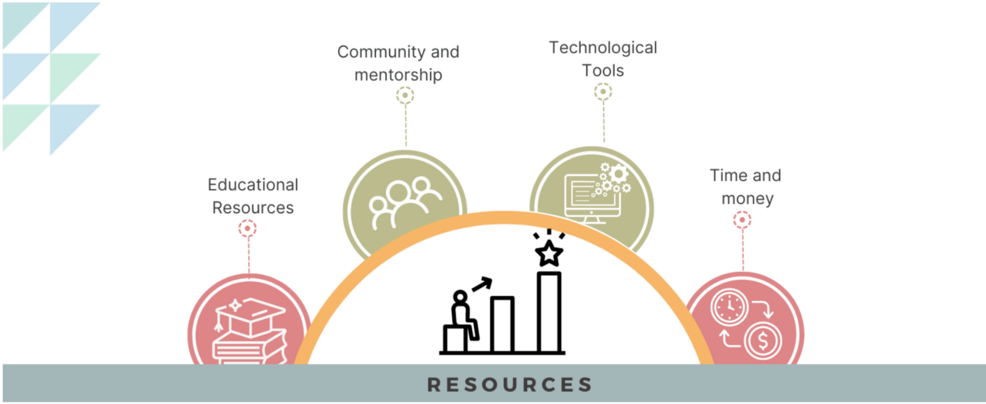
A plethora of resources is available for clinicians to kickstart their AI journey. These include specialized online courses, academic journals, textbooks, and vibrant community networks, all of which serve as valuable knowledge reservoirs. Engaging in datathons and collaborative projects can foster a deep understanding and practical application of AI.
Clinicians can set milestones to gauge progress, from pilot projects to course completion. Recognizing process and outcome measures is critical, allowing practitioners to refine strategies and incorporate feedback for continuous learning and adaptation.
Conclusion
AI in healthcare unveils exciting avenues for learning and innovation. Equipped with structured approaches and resources, clinicians can actively contribute to AI development, ensuring that solutions are both patient-centered and impactful. Through proactive engagement with AI, healthcare professionals can drive forward a new era of patient care enhancement and operational excellence.
More Articles
Getting licensed or staying ahead in your career can be a journey—but it doesn’t have to be overwhelming. Grab your favorite coffee or tea, take a moment to relax, and browse through our articles. Whether you’re just starting out or renewing your expertise, we’ve got tips, insights, and advice to keep you moving forward. Here’s to your success—one sip and one step at a time!
The title industry is facing a growing threat of fraud, driven by the decrease in transactions. With fewer transactions taking place, the percentage of potential fraud per file has significantly increased. It is crucial for industry professionals and consumers to be aware of the risks and take necessary precautions to safeguard their interests. In this article, we explore the two primary types of fraud that are becoming more prevalent in the title industry: escrow account manipulation and seller impersonation fraud. We also discuss the strategies being implemented to combat fraud and the importance of collaboration among industry stakeholders. By understanding the evolving landscape of fraud in the title industry and staying informed about the latest prevention measures, individuals can protect themselves and ensure the integrity of real estate transactions.
Philadelphia Federal Reserve President Patrick Harker is advocating for a pause in the ongoing cycle of interest rate hikes. He believes the central bank should assess the impact of previous increases on the economy before proceeding further. His stance reflects concerns about potential harm to economic growth. The Federal Reserve is under pressure to continue raising interest rates to prevent the economy from overheating and to keep inflation in check. However, Harker believes the current pace of rate hikes may be too aggressive. This article delves deeper into Harker's stance and the ongoing debate within the Federal Reserve.
The real estate industry is currently facing a class-action commission lawsuit, prompting major companies to reevaluate their strategies. Regardless of the lawsuit's outcome, real estate brokers are focusing on the value they bring to clients and preparing for potential changes in the industry. Brokers are prioritizing transparency and educating clients about the importance of real estate agents. They are implementing various strategies to adapt to potential industry changes and ensure they continue to provide exceptional service. Real estate brokers are proactively addressing the uncertainty brought about by the commission lawsuit. They are prioritizing transparency, education, and diversification to ensure they continue to deliver exceptional service and remain valuable partners to their clients. By adapting to potential industry changes, brokers are embracing the evolving landscape of the real estate industry and positioning themselves for continued success.
Blend, a prominent player in the digital lending technology space, has recently introduced Blend IMB Essentials, a lower-cost version of its mortgage suite specifically designed for retail independent mortgage banks (IMBs). This new offering aims to provide a more affordable solution for smaller lenders while still incorporating many of the features found in Blend's standard offering. One of the key features of Blend IMB Essentials is its ability to streamline the mortgage application process for retail IMBs. By pulling soft credits instead of tri-merge credits during the initial phase of the application, Blend IMB Essentials reduces costs and saves time for both lenders and borrowers. This innovative approach enhances operational efficiency and allows lenders to focus on providing a seamless experience for their clients.
The forthcoming changes in mortgage servicing regulations, proposed updates to Basel III, and discussions surrounding the funding structure of the Consumer Financial Protection Bureau (CFPB) have been making waves in the financial industry. In this article, we delve into the key points raised by CFPB Director Rohit Chopra and explore the potential implications of these developments on the mortgage industry. As the COVID-19 pandemic continues to impact borrowers, enhancing consumer protections and ensuring that mortgage servicers provide clearer and more timely information has become crucial. The proposed amendments to the mortgage servicing rules aim to address these concerns and establish better communication channels regarding loss mitigation options and foreclosure prevention measures.
The mortgage rates for 30-year fixed-rate loans have surged to 8%, a level not seen since 2007. This sudden increase has far-reaching implications for homebuyers, homebuilders, and the overall housing market. The rise in mortgage rates means a higher cost of borrowing, making homeownership more expensive for potential buyers. Homebuilders are also likely to face challenges due to these higher mortgage rates. As the cost of borrowing increases, the demand for new homes may decline, leading to a slowdown in new home construction. Cameron Academy provides comprehensive insights into these market changes, helping both homebuyers and homebuilders navigate these challenging times.