The Pros and Cons of Investing in Commercial vs. Residential Real Estate in Australia

In the ever-evolving landscape of real estate investment, the choice between commercial and residential properties is a pivotal decision for investors in Australia. As the property market continues to shift, understanding the nuances of each sector becomes crucial. A recent article from PressPay delves into this very topic, offering a comprehensive analysis of the pros and cons associated with these investment avenues.

Understanding the Differences

The fundamental differences between commercial and residential real estate investments are stark. Commercial properties, often characterized by longer lease terms, can provide stability and potentially higher rental yields. However, they also come with the challenge of lengthier vacancy periods, a factor that can impact profitability. In contrast, residential properties typically have shorter leases and more frequent tenant turnover, which can lead to a steady occupancy rate but might not offer the same yield potential as their commercial counterparts.

Lease Length and Vacancy Periods

In Australia, commercial leases can span from three to five years or longer, offering a semblance of stability for investors. This extended lease duration is attractive to those seeking consistent rental income. However, the tenant acquisition process can be more complex and time-consuming, resulting in longer vacancy periods. On the other hand, residential properties, with their shorter lease terms, often experience higher rental demand, especially in populated areas, ensuring a more consistent occupancy rate.

Rental Yields and Economic Vulnerabilities

One of the most significant distinctions lies in rental yields. Commercial properties in cities like Sydney and Melbourne offer yields ranging from 5% to 12%, significantly higher than the average 3.6% for residential properties. This disparity is primarily due to businesses occupying commercial spaces, generating greater income. However, commercial properties are more susceptible to economic shocks. Sudden changes in the economy can lead to increased vacancy rates and financial instability, a risk less pronounced in residential investments.

Maintenance and Tenant Behavior

Maintenance obligations also differ. In commercial leases, tenants often bear the costs of repairs and maintenance, reducing the burden on landlords. Conversely, residential property owners must manage these responsibilities, which can include regular inspections and compliance with building regulations. Tenant behavior further influences investment decisions. Commercial tenants usually sign net leases, assuming expenses like council rates and insurance, while residential investors may enjoy more stable long-term tenancies.

Impact of COVID-19 and Market Trends

The impact of COVID-19 has reshaped the real estate landscape, affecting both sectors. The pandemic led to increased office vacancies as businesses embraced remote work, challenging the commercial market. Meanwhile, residential properties faced reduced demand as renters opted for stability amid uncertainty. As the market adapts, understanding these trends and forecasts becomes essential for investors aiming to make informed decisions.

In conclusion, choosing between commercial and residential real estate investments in Australia requires a comprehensive understanding of market dynamics, economic vulnerabilities, and lease structures. Both sectors offer unique opportunities and challenges, and the decision ultimately hinges on an investor’s financial capacity, risk tolerance, and long-term goals. As the PressPay article suggests, a well-informed strategy can lead to lucrative returns, whether one chooses the stability of residential properties or the high-yield potential of commercial investments.

More Articles

Getting licensed or staying ahead in your career can be a journey—but it doesn’t have to be overwhelming. Grab your favorite coffee or tea, take a moment to relax, and browse through our articles. Whether you’re just starting out or renewing your expertise, we’ve got tips, insights, and advice to keep you moving forward. Here’s to your success—one sip and one step at a time!

2025 Commercial Real Estate Outlook: Navigating a New Era

The commercial real estate landscape is on the brink of transformation as leaders seek to navigate the challenges of recent years and position their organizations for future opportunities.

The Emerging Mental Health Crisis Among Healthcare Workers During the COVID-19 Pandemic

The pandemic has ushered in a wave of mental health challenges that affect healthcare workers profoundly. From the onset of COVID-19, these professionals have been at the forefront, facing immense pressure, long hours, and the constant fear of exposure.

By |December 18, 2024|Categories: Article, Healthcare Workers, Mental Health|Tags: , |0 Comments

Ethical Concerns of Large Language Models in Healthcare

Exploring the dual nature of LLMs offers substantial benefits in healthcare but also raises significant ethical concerns, underscoring the need for well-defined guidelines and human oversight.

The Role of Wearable Devices in Chronic Disease Monitoring and Patient Care: A Comprehensive Review

Wearable devices have become integral in managing chronic conditions by providing continuous health data, empowering patients and healthcare professionals with insights that were previously unattainable.

AI Training Mandates: Navigating Legal Waters in Dentistry

The integration of artificial intelligence (AI) into dental practices is more than a technological trend; it represents a seismic shift in the industry. This transformation is reshaping skill sets and prompting a thorough examination of legal and ethical implications.

By |December 17, 2024|Categories: Article, Legal, Technology|Tags: , |0 Comments

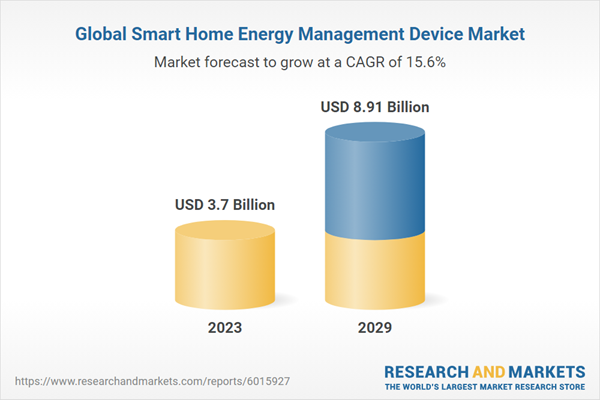
Smart Home Energy Management Devices: A Market Poised for Growth

The Global Smart Home Energy Management Device Market is on the brink of a significant transformation, driven by escalating demands for energy-efficient solutions and the increasing adoption of smart home technologies.