The Pros and Cons of Investing in Commercial vs. Residential Real Estate in Australia

In the ever-evolving landscape of real estate investment, the choice between commercial and residential properties is a pivotal decision for investors in Australia. As the property market continues to shift, understanding the nuances of each sector becomes crucial. A recent article from PressPay delves into this very topic, offering a comprehensive analysis of the pros and cons associated with these investment avenues.

Understanding the Differences

The fundamental differences between commercial and residential real estate investments are stark. Commercial properties, often characterized by longer lease terms, can provide stability and potentially higher rental yields. However, they also come with the challenge of lengthier vacancy periods, a factor that can impact profitability. In contrast, residential properties typically have shorter leases and more frequent tenant turnover, which can lead to a steady occupancy rate but might not offer the same yield potential as their commercial counterparts.

Lease Length and Vacancy Periods

In Australia, commercial leases can span from three to five years or longer, offering a semblance of stability for investors. This extended lease duration is attractive to those seeking consistent rental income. However, the tenant acquisition process can be more complex and time-consuming, resulting in longer vacancy periods. On the other hand, residential properties, with their shorter lease terms, often experience higher rental demand, especially in populated areas, ensuring a more consistent occupancy rate.

Rental Yields and Economic Vulnerabilities

One of the most significant distinctions lies in rental yields. Commercial properties in cities like Sydney and Melbourne offer yields ranging from 5% to 12%, significantly higher than the average 3.6% for residential properties. This disparity is primarily due to businesses occupying commercial spaces, generating greater income. However, commercial properties are more susceptible to economic shocks. Sudden changes in the economy can lead to increased vacancy rates and financial instability, a risk less pronounced in residential investments.

Maintenance and Tenant Behavior

Maintenance obligations also differ. In commercial leases, tenants often bear the costs of repairs and maintenance, reducing the burden on landlords. Conversely, residential property owners must manage these responsibilities, which can include regular inspections and compliance with building regulations. Tenant behavior further influences investment decisions. Commercial tenants usually sign net leases, assuming expenses like council rates and insurance, while residential investors may enjoy more stable long-term tenancies.

Impact of COVID-19 and Market Trends

The impact of COVID-19 has reshaped the real estate landscape, affecting both sectors. The pandemic led to increased office vacancies as businesses embraced remote work, challenging the commercial market. Meanwhile, residential properties faced reduced demand as renters opted for stability amid uncertainty. As the market adapts, understanding these trends and forecasts becomes essential for investors aiming to make informed decisions.

In conclusion, choosing between commercial and residential real estate investments in Australia requires a comprehensive understanding of market dynamics, economic vulnerabilities, and lease structures. Both sectors offer unique opportunities and challenges, and the decision ultimately hinges on an investor’s financial capacity, risk tolerance, and long-term goals. As the PressPay article suggests, a well-informed strategy can lead to lucrative returns, whether one chooses the stability of residential properties or the high-yield potential of commercial investments.

More Articles

Getting licensed or staying ahead in your career can be a journey—but it doesn’t have to be overwhelming. Grab your favorite coffee or tea, take a moment to relax, and browse through our articles. Whether you’re just starting out or renewing your expertise, we’ve got tips, insights, and advice to keep you moving forward. Here’s to your success—one sip and one step at a time!

Phoenix Housing Market Surges Ahead of the Nation in 2025

The Phoenix housing market continues to outperform the rest of the country, posting stronger sales, rising equity, and an influx of qualified buyers. With closed sales, pending sales, new listings, and median prices all trending upward, the Valley is outpacing national growth by a wide margin. City‑level data shows impressive strength across Scottsdale, Goodyear, Gilbert, Phoenix, and more—making 2025 a powerful year for agents, investors, and professionals watching the Arizona market.

20 High-Demand Jobs to Watch as 2026 Approaches — Major Events Are Fueling New Opportunities

With the 2026 FIFA World Cup and America’s 250th birthday celebrations on the horizon, the U.S. job market is gearing up for a surge across multiple industries. Seasonal, flexible, and part‑time roles are expected to rise—especially for workers 50+ who have struggled in a cooling labor market. From accounting and HR leadership to event staffing and delivery driving, major cities are preparing for increased hiring tied to tourism, infrastructure, and yearlong national celebrations. Many of these fast‑growing roles connect directly to licensing and certification pathways, giving professionals new chances to pivot or upskill through programs offered by Cameron Academy.

New Florida Laws Taking Effect January 1, 2026: Key Updates for Professionals

Florida is rolling out a new wave of laws on January 1, 2026 that will impact professionals in real estate, insurance, healthcare, education, and other regulated industries. From new insurance rules and healthcare billing requirements to condo association deadlines and statewide databases, these updates reshape compliance expectations across the state. Whether you work in property, finance, or public‑facing services, understanding these changes is essential for staying aligned with Florida’s evolving regulations.

Commercial Real Estate Pros Are Almost All Bullish on 2026

Nearly every commercial real estate professional is expecting a stronger year ahead, with 97% predicting increased or stable activity in 2026, according to Avison Young’s latest outlook. Confidence has surged dramatically since mid‑2025 as strong sales, anticipated rate cuts, and improving fundamentals across key sectors signal that CRE recovery and growth may finally be taking hold.

Dallas‑Fort Worth’s 2025 Boom: The Metroplex Redefining U.S. Growth

Dallas‑Fort Worth is finishing 2025 as the nation’s top real estate and business powerhouse, fueled by corporate relocations, a dominant industrial sector, infrastructure megaprojects, and a rapidly evolving workforce landscape. From data center expansion to the launch of the DART Silver Line, the region continues to outpace national trends—while also confronting a growing demand for skilled professionals and licensed talent across construction, real estate, and technical fields.

FEMA and NJDEP Unveil New Morris County Flood Maps, Triggering Key Changes for Property Owners and Professionals

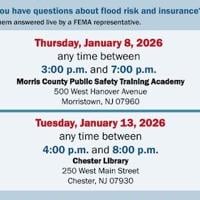
FEMA and the NJDEP have released revised preliminary flood maps for Morris County, reshaping how homeowners, real estate agents, insurers, and mortgage professionals assess flood risk. The updated FIRMs may shift properties into or out of higher‑risk zones, affecting insurance requirements, closing processes, and long‑term property values. With public review and appeals ahead, industry professionals are urged to study the changes now and prepare clients for potential impacts.