
“`html

The Crucial Importance of Compliance with Stark Law and Anti-Kickback Statute in Healthcare Real Estate Leases

In the intricate world of healthcare, compliance is not just a legal requirement but a cornerstone of ethical business practice. The Stark Law and the Anti-Kickback Statute are two pivotal federal regulations that healthcare companies must navigate, especially when it comes to real estate leases. These laws are designed to maintain the integrity of healthcare operations and prevent conflicts of interest.

Healthcare compliance

Understanding Stark Law and the Anti-Kickback Statute

  • Stark Law: Often referred to as the Physician Self-Referral Law, it prohibits physicians from referring patients to entities with which they have a financial relationship, unless an exception applies. This is crucial for ensuring decisions are made in the best interests of patients.
  • Anti-Kickback Statute: This federal law prohibits the exchange of anything of value to induce or reward referrals, safeguarding medical judgment and patient care from financial incentives.

The Intersection of These Laws and Real Estate Leases

Real estate leases for medical offices and clinics must be structured to comply with both the Stark Law and the Anti-Kickback Statute. Non-compliance can lead to illegal referrals and kickbacks, which are strictly prohibited. Lease agreements must be at fair market value and commercially reasonable, with all terms documented in writing to ensure compliance.

Compliance Strategies for Healthcare Companies

  1. Conduct Regular Audits: Regular audits of lease agreements can identify potential compliance issues early.
  2. Seek Legal Counsel: Engage with legal experts specializing in healthcare law to structure compliant lease agreements.
  3. Training and Education: Continuous training for staff involved in real estate leases can ensure adherence to compliance requirements.
  4. Implement Strong Internal Controls: Establish robust procedures for reviewing and approving lease agreements to minimize risk.

Consequences of Non-Compliance

Non-compliance with these laws can result in severe penalties, including fines, exclusion from federal healthcare programs, and criminal charges. Beyond financial repercussions, it can tarnish a healthcare provider’s reputation and erode trust.

Conclusion

For healthcare companies, compliance with the Stark Law and Anti-Kickback Statute is a fundamental aspect of ethical business practice. By ensuring lease agreements meet regulatory requirements, healthcare organizations can focus on providing quality patient care without compromising integrity or trust.

For more detailed insights, the original article by CBIZ can be accessed here.

“`

More Articles

Getting licensed or staying ahead in your career can be a journey—but it doesn’t have to be overwhelming. Grab your favorite coffee or tea, take a moment to relax, and browse through our articles. Whether you’re just starting out or renewing your expertise, we’ve got tips, insights, and advice to keep you moving forward. Here’s to your success—one sip and one step at a time!

America’s Housing Affordability Crisis: A Deep Dive into 2024

The American dream of homeownership is slipping further out of reach for many as the nation grapples with a severe housing affordability crisis.

By |October 17, 2024|Categories: Article, Economic Issues, Housing Affordability|Tags: , |0 Comments

The Economic Payoff of Climate Resilience Investments

Each dollar spent on disaster preparedness can yield a remarkable $13 in savings on economic impact, damage, and cleanup costs. By investing in resilience today, we can safeguard our economic futures against the uncertainties of tomorrow.

By |October 16, 2024|Categories: Article, Climate Resilience, Economics|Tags: |0 Comments

California Legislators Target Corporate Landlords in Housing Market Shake-Up

California's housing market is in the crosshairs of some of the state's most influential lawmakers, who are determined to curb the influence of institutional investors. This legislative session, at least three bills are being considered to prevent these corporate landlords from amassing a significant number of the state's single-family homes.

Proposition 33: A Pivotal Moment in California’s Rent Control Debate

Proposition 33 has sparked a heated debate. Proponents argue that repealing Costa–Hawkins would allow cities to tailor rent control measures to their unique needs, potentially easing the financial burdens on renters.

By |October 16, 2024|Categories: Article, Housing, Legislation|Tags: , |0 Comments

The Trump Era: A Transformative Journey in the U.S. Housing Market

The presidency of Donald Trump ushered in a period of notable shifts in the U.S. housing market, characterized by tax cuts, deregulation, and the unforeseen impact of a global pandemic. This era, marked by both growth and uncertainty, offers a complex narrative of economic policy and market dynamics.

Donald Trump’s Intricate Family Web

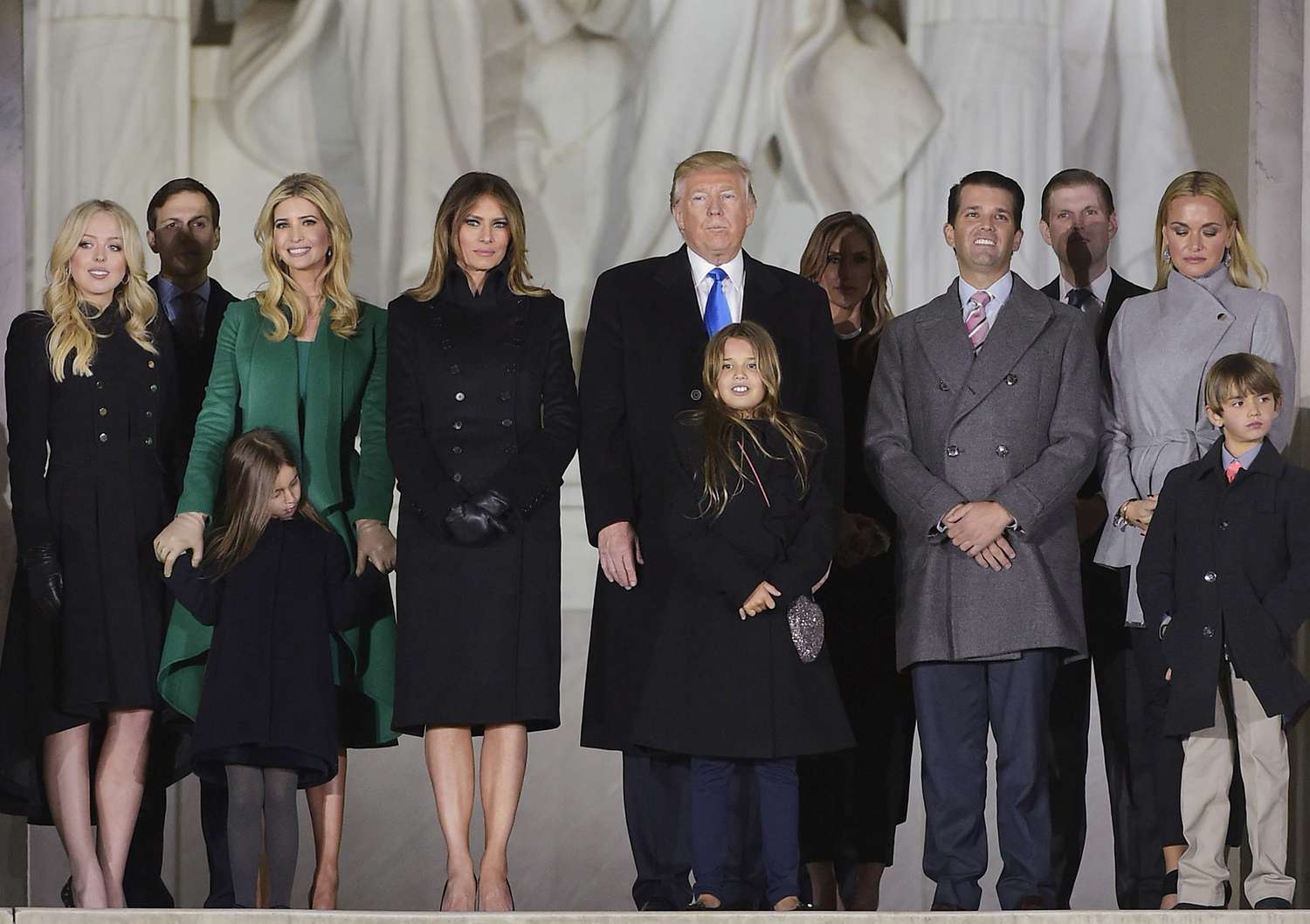
Donald Trump, a name synonymous with real estate, reality television, and politics, presents a complex family tapestry woven with professional and personal threads. His family, deeply enmeshed in his business ventures and political pursuits, forms a network of intricate connections.


By |October 15, 2024|Categories: Article, Family, Politics|Tags: , |0 Comments