
 As the healthcare industry navigates this transformative phase, it is crucial to uphold ethical principles, address biases, and ensure informed consent. By actively engaging in these considerations, the full potential of AI can be harnessed to improve patient outcomes without compromising the values of medicine.
Telehealth: Bridging the Gap in Healthcare Access
Telehealth has emerged as a vital tool in providing equitable healthcare access by increasing the availability of specialists and reducing transportation barriers.

Getting licensed or staying ahead in your career can be a journey—but it doesn’t have to be overwhelming. Grab your favorite coffee or tea, take a moment to relax, and browse through our articles. Whether you’re just starting out or renewing your expertise, we’ve got tips, insights, and advice to keep you moving forward. Here’s to your success—one sip and one step at a time!
Telehealth has emerged as a vital tool in providing equitable healthcare access by increasing the availability of specialists and reducing transportation barriers.
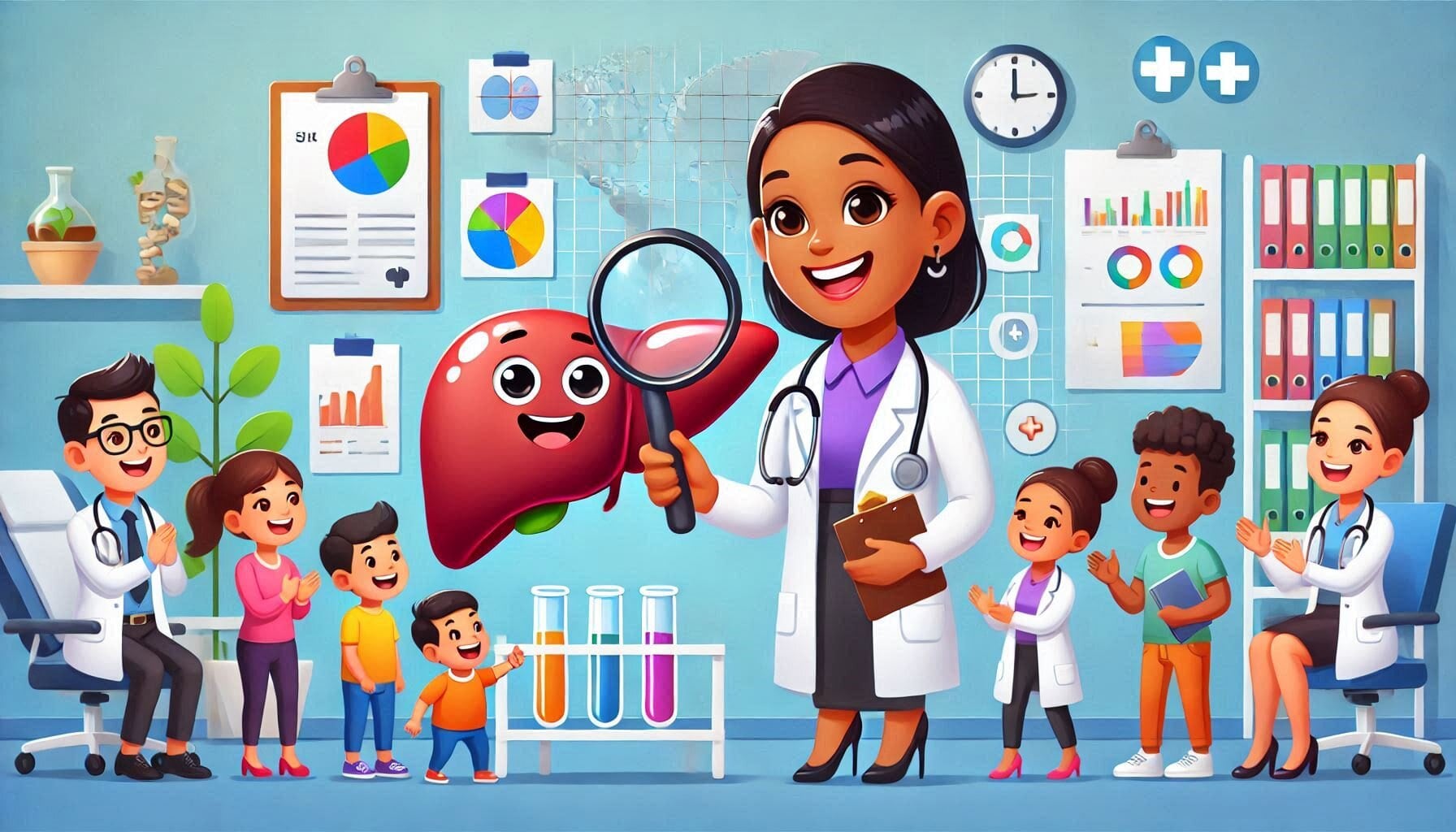
Liver cancer continues to be a significant health challenge globally, ranking as one of the leading causes of cancer-related deaths.
In the spirit of World Cities Day, celebrated on October 31st, cities worldwide are embracing the theme "Youth Leading Climate and Local Action for Cities." This theme underscores the pivotal role of young leaders in driving sustainable urban solutions, a movement gaining momentum through community-led initiatives and progressive policies.
"Goldman Sachs envisions a scenario where AV sales, particularly those with Level 3 automation or higher, could account for 60% of all light vehicle sales by 2040. Even in a less optimistic scenario, AVs are expected to comprise nearly 40% of new sales."
A groundbreaking study by researchers at Case Western Reserve School of Medicine reveals semaglutide, a common diabetes and weight-loss drug, may significantly reduce the risk of Alzheimer’s disease in individuals with type 2 diabetes.
In the heart of Louisiana, a digital revolution is underway, reshaping the landscape of healthcare diagnostics with the power of artificial intelligence (AI). AI is not just a tool but a transformative force, enhancing diagnostic accuracy, improving patient outcomes, and reducing costs.