As the integration of artificial intelligence (AI) into healthcare systems accelerates, the ethical implications of this technological revolution demand urgent attention. The original article from The Hospitalist delves into the complexities and challenges that arise as AI becomes a staple in medical practice.
Unraveling Algorithmic Bias
AI’s potential to transform healthcare is undeniable, yet it carries the risk of reinforcing existing biases entrenched in historical data. These biases can lead to skewed outcomes, particularly affecting marginalized communities such as the LGBTQIA+ and certain ethnic groups. The need for rigorous testing and continuous monitoring of AI systems is paramount to ensure equitable healthcare delivery.
Ensuring Informed Consent
Patient autonomy remains a cornerstone of medical ethics, especially in the age of AI. Educating patients about AI tools and providing options to opt-out are crucial steps in fostering trust. Addressing concerns about data privacy and security is essential to assuage patient fears and enhance transparency in healthcare decisions.
Regulatory and Ethical Frameworks
The dynamic landscape of AI in healthcare necessitates robust regulatory frameworks. Organizations like the U.S. Food and Drug Administration play a vital role in establishing guidelines to prevent misuse and ensure ethical AI development. Regular audits and assessments of AI systems can maintain transparency and accountability.
Addressing Liability Concerns
As AI becomes more prevalent, liability in adverse outcomes presents a complex challenge. Physicians and AI developers must share responsibility for ensuring the safety and efficacy of AI systems. The emergence of AI-specific liability insurance offers a novel solution to manage potential malpractice claims.
Emotional and Ethical Considerations
AI’s rise in healthcare is not merely a technological shift but one that deeply intertwines with human emotions. The introduction of AI-powered tools must be communicated with sensitivity to prevent patient distress and anxiety. Maintaining the empathetic human connection in healthcare is essential to addressing emotional needs and fostering deeper therapeutic relationships.
As the healthcare industry navigates this transformative phase, it is crucial to uphold ethical principles, address biases, and ensure informed consent. By actively engaging in these considerations, the full potential of AI can be harnessed to improve patient outcomes without compromising the values of medicine.
More Articles
Getting licensed or staying ahead in your career can be a journey—but it doesn’t have to be overwhelming. Grab your favorite coffee or tea, take a moment to relax, and browse through our articles. Whether you’re just starting out or renewing your expertise, we’ve got tips, insights, and advice to keep you moving forward. Here’s to your success—one sip and one step at a time!
With increasing governmental and private investments, the demand for precision medicine is expected to rise steadily. The commitment to addressing chronic conditions, coupled with strategic industry collaborations and advanced diagnostic tools, will sustain market growth.
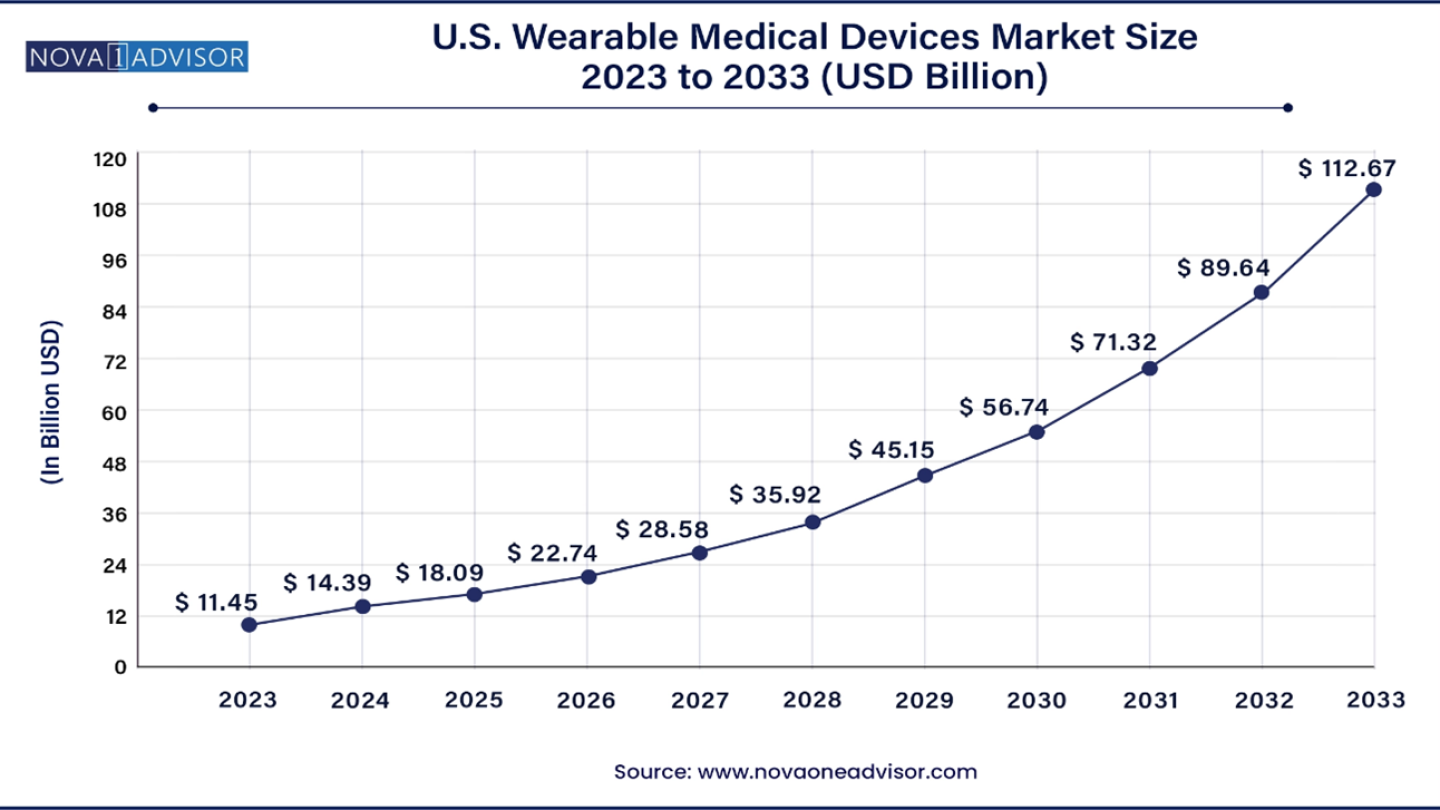
The U.S. wearable medical devices market, currently valued at an estimated $11.45 billion in 2023, is set to experience an astronomical rise to approximately $112.67 billion by 2033.
The real estate market is on the brink of transformation, captivating the attention of buyers, sellers, investors, and industry professionals. As we look toward the end of 2024, experts predict a shift in the landscape, particularly with home prices expected to decline due to increased inventory levels.
According to the World Health Organization (WHO), nearly two billion people in rural and remote areas worldwide lack access to essential healthcare solutions. This staggering statistic highlights a critical issue: the digital divide that limits telehealth services, primarily due to inadequate broadband access.
As AI becomes a staple in medical practice, it carries the risk of reinforcing existing biases entrenched in historical data. These biases can lead to skewed outcomes, particularly affecting marginalized communities such as the LGBTQIA+ and certain ethnic groups.
A groundbreaking study published in Volume 15 of Oncotarget on October 11, 2024, titled 'Relationship between the expressions of DLL3, ASC1, TTF-1 and Ki-67: First steps of precision medicine at SCLC' showcases pivotal advancements in the fight against small cell lung cancer (SCLC).



 As the healthcare industry navigates this transformative phase, it is crucial to uphold ethical principles, address biases, and ensure informed consent. By actively engaging in these considerations, the full potential of AI can be harnessed to improve patient outcomes without compromising the values of medicine.