Navigating the Complex Terrain of Foreign Investments in U.S. Real Estate


In recent years, the landscape of foreign investment in the United States’ real estate sector has become increasingly complex and contentious. Scholars and policymakers are actively debating the regulatory measures needed to mitigate potential threats posed by such investments. The original article from The Regulatory Review highlights the multifaceted issues surrounding this topic, drawing attention to national security concerns, economic implications, and housing affordability challenges.
Foreign investment

Foreign Investments: A Double-Edged Sword


Over the last 15 years, foreign investment in U.S. real estate has surpassed $1.2 trillion. This influx of capital has led to significant changes in the real estate market, with foreign ownership of agricultural land increasing by 50% since 2017. While this investment can bolster the economy, it also raises national security concerns, especially when properties are located near sensitive military installations.

Regulatory Oversight and Challenges


The Committee on Foreign Investments in the United States (CFIUS) plays a pivotal role in reviewing foreign investments for potential security threats. However, the complexity of these transactions often leaves gaps in oversight. For instance, a controversial purchase of 370 acres near an Air Force base by a Chinese company in 2022 highlighted the limitations of CFIUS’s jurisdiction.

Economic Impacts and Housing Affordability


The economic implications of foreign investments extend beyond national security. As housing affordability has declined dramatically over the past two decades, foreign investments have been blamed for exacerbating this issue. In cities where housing prices have soared, foreign buyers are often seen as contributing to the demand shock that drives up prices.

Legislative Responses


In response to these challenges, both federal and state legislatures have begun to restrict foreign investment in specific real estate categories. States like Louisiana and Oklahoma have enacted laws limiting property ownership by foreign nationals from adversary states, aiming to protect national interests.

Recommendations and Future Directions


To enhance transparency and mitigate risks, experts recommend several measures. The GAO suggests improving data accessibility related to foreign investments, while scholars advocate for the use of the Corporate Transparency Act to identify real estate owners. Additionally, a working paper by Andolfatto and Rekkas highlights the potential of foreign buyers’ taxes to stabilize housing markets.
The intricate balance between welcoming foreign investment and safeguarding national interests continues to be a subject of rigorous debate. As the United States navigates this complex terrain, the insights from scholars and regulatory experts will be crucial in shaping effective policies.

More Articles

Getting licensed or staying ahead in your career can be a journey—but it doesn’t have to be overwhelming. Grab your favorite coffee or tea, take a moment to relax, and browse through our articles. Whether you’re just starting out or renewing your expertise, we’ve got tips, insights, and advice to keep you moving forward. Here’s to your success—one sip and one step at a time!

Building an Integrated Approach to Real Estate Sustainability

Nearly 60% of global real estate CFOs lack the necessary data, processes, or internal controls to comply with current environmental regulations.

The Blockchain Revolution: Building the Future of Finance with DeFi

DeFi emerges as a beacon of transformation, promising to revolutionize how we interact with money. DeFi stands at the forefront, offering instant, transparent transactions without the constraints of conventional banking systems. This new paradigm opens doors to innovative investment opportunities and fosters a more inclusive global economy.

By |December 8, 2024|Categories: Article, Finance, Technology|Tags: , |0 Comments

Artificial Intelligence: A New Frontier in Neurological Care

AI's integration into neurology is not just a fleeting trend; it's a significant shift in how healthcare professionals approach complex neurological disorders.

By |December 8, 2024|Categories: Article, Healthcare, Technology|Tags: , |0 Comments

Celebrating Commitment to Physician Well-being

The American Medical Association (AMA) has recognized 62 health care organizations through its Joy in Medicine™ Health System Recognition Program. These organizations, representing over 140,000 physicians, have been acknowledged for their innovative strategies aimed at reducing stress and enhancing mental health among doctors.

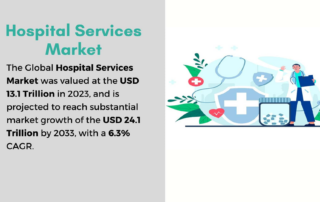
Global Hospital Services Market Set for Substantial Growth

The global hospital services market is undergoing a significant transformation, with projections indicating robust growth over the next decade. As of 2023, the market was valued at USD 13.1 trillion and is expected to soar to an impressive USD 24.1 trillion by 2033, boasting a compound annual growth rate (CAGR) of 6.3%. This optimistic forecast, reported by Market.us Media, is driven by advancements in medical technology, increased healthcare expenditures, and the rising prevalence of chronic diseases.

By |December 7, 2024|Categories: Article, Healthcare, Market Analysis|Tags: , |0 Comments

Unlocking the Potential of Modular Construction in Ontario’s Housing Market

In the bustling realm of Ontario's housing market, modular construction is emerging as a beacon of hope amid a pressing demand for new homes.


By |December 7, 2024|Categories: Article, Construction, Technology|Tags: , |0 Comments