Navigating the Complex Terrain of Foreign Investments in U.S. Real Estate


In recent years, the landscape of foreign investment in the United States’ real estate sector has become increasingly complex and contentious. Scholars and policymakers are actively debating the regulatory measures needed to mitigate potential threats posed by such investments. The original article from The Regulatory Review highlights the multifaceted issues surrounding this topic, drawing attention to national security concerns, economic implications, and housing affordability challenges.
Foreign investment

Foreign Investments: A Double-Edged Sword


Over the last 15 years, foreign investment in U.S. real estate has surpassed $1.2 trillion. This influx of capital has led to significant changes in the real estate market, with foreign ownership of agricultural land increasing by 50% since 2017. While this investment can bolster the economy, it also raises national security concerns, especially when properties are located near sensitive military installations.

Regulatory Oversight and Challenges


The Committee on Foreign Investments in the United States (CFIUS) plays a pivotal role in reviewing foreign investments for potential security threats. However, the complexity of these transactions often leaves gaps in oversight. For instance, a controversial purchase of 370 acres near an Air Force base by a Chinese company in 2022 highlighted the limitations of CFIUS’s jurisdiction.

Economic Impacts and Housing Affordability


The economic implications of foreign investments extend beyond national security. As housing affordability has declined dramatically over the past two decades, foreign investments have been blamed for exacerbating this issue. In cities where housing prices have soared, foreign buyers are often seen as contributing to the demand shock that drives up prices.

Legislative Responses


In response to these challenges, both federal and state legislatures have begun to restrict foreign investment in specific real estate categories. States like Louisiana and Oklahoma have enacted laws limiting property ownership by foreign nationals from adversary states, aiming to protect national interests.

Recommendations and Future Directions


To enhance transparency and mitigate risks, experts recommend several measures. The GAO suggests improving data accessibility related to foreign investments, while scholars advocate for the use of the Corporate Transparency Act to identify real estate owners. Additionally, a working paper by Andolfatto and Rekkas highlights the potential of foreign buyers’ taxes to stabilize housing markets.
The intricate balance between welcoming foreign investment and safeguarding national interests continues to be a subject of rigorous debate. As the United States navigates this complex terrain, the insights from scholars and regulatory experts will be crucial in shaping effective policies.

More Articles

Getting licensed or staying ahead in your career can be a journey—but it doesn’t have to be overwhelming. Grab your favorite coffee or tea, take a moment to relax, and browse through our articles. Whether you’re just starting out or renewing your expertise, we’ve got tips, insights, and advice to keep you moving forward. Here’s to your success—one sip and one step at a time!

Is Florida’s Booming Real Estate Market Becoming Unaffordable?

Florida is facing a real estate crisis marked by skyrocketing insurance premiums, stringent FEMA rules, and a surge in hedge fund property acquisitions.

By |November 14, 2024|Categories: Article, Finance/Economy, Real Estate|Tags: , |0 Comments

Revolutionizing Cancer Therapy: The Promise of Patient-Derived Organoids

Patient-derived organoids offer an unprecedented opportunity to replicate the complex structure and genetic makeup of cancers, providing a more accurate model for clinical drug screening and pharmacognostic assessment.

The AI Revolution in Dermatology: A Systematic Review

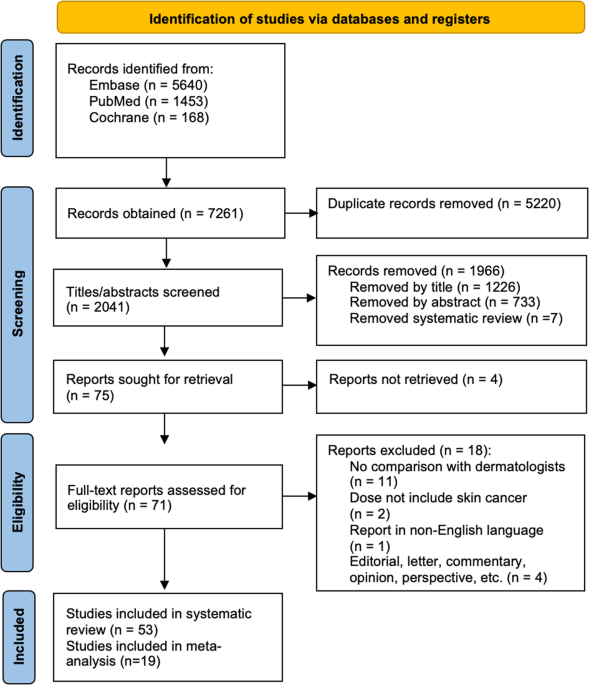
In a groundbreaking study published in Nature, researchers have delved into the burgeoning field of artificial intelligence (AI) in dermatology, specifically examining its role in diagnosing skin cancer. The study, titled "A Systematic Review and Meta-Analysis of Artificial Intelligence Versus Clinicians for Skin Cancer Diagnosis," offers a comprehensive look at how AI stacks up against human clinicians in this critical area of healthcare.

By |November 14, 2024|Categories: AI in Healthcare, Article, Dermatology|Tags: , |0 Comments

The Fast Lane to Fully Autonomous Vehicles: Industry Innovations and Future Prospects

The automotive world is abuzz with announcements from major players like Tesla, Rimac, Renault, and Nissan, each unveiling plans to introduce autonomous vehicles in the near future. Tesla's much-anticipated "CyberCab" is set for an October 2024 debut, while Rimac and Renault are gearing up for releases in 2026.

Futureproofing for Insurers: The Role of AI and Hyper-Personalization

In a rapidly evolving industry, insurance companies are turning to artificial intelligence (AI) and hyper-personalization to stay ahead of the curve.

Revolutionizing Healthcare: The Power and Potential of AI

AI technology offers a multitude of benefits, from enhancing patient outcomes to reducing healthcare costs and improving population health. Its application ranges from preventive screenings to complex diagnostic procedures, marking a new era in medical care.


By |November 13, 2024|Categories: Article, Artificial Intelligence, Healthcare|Tags: , |0 Comments