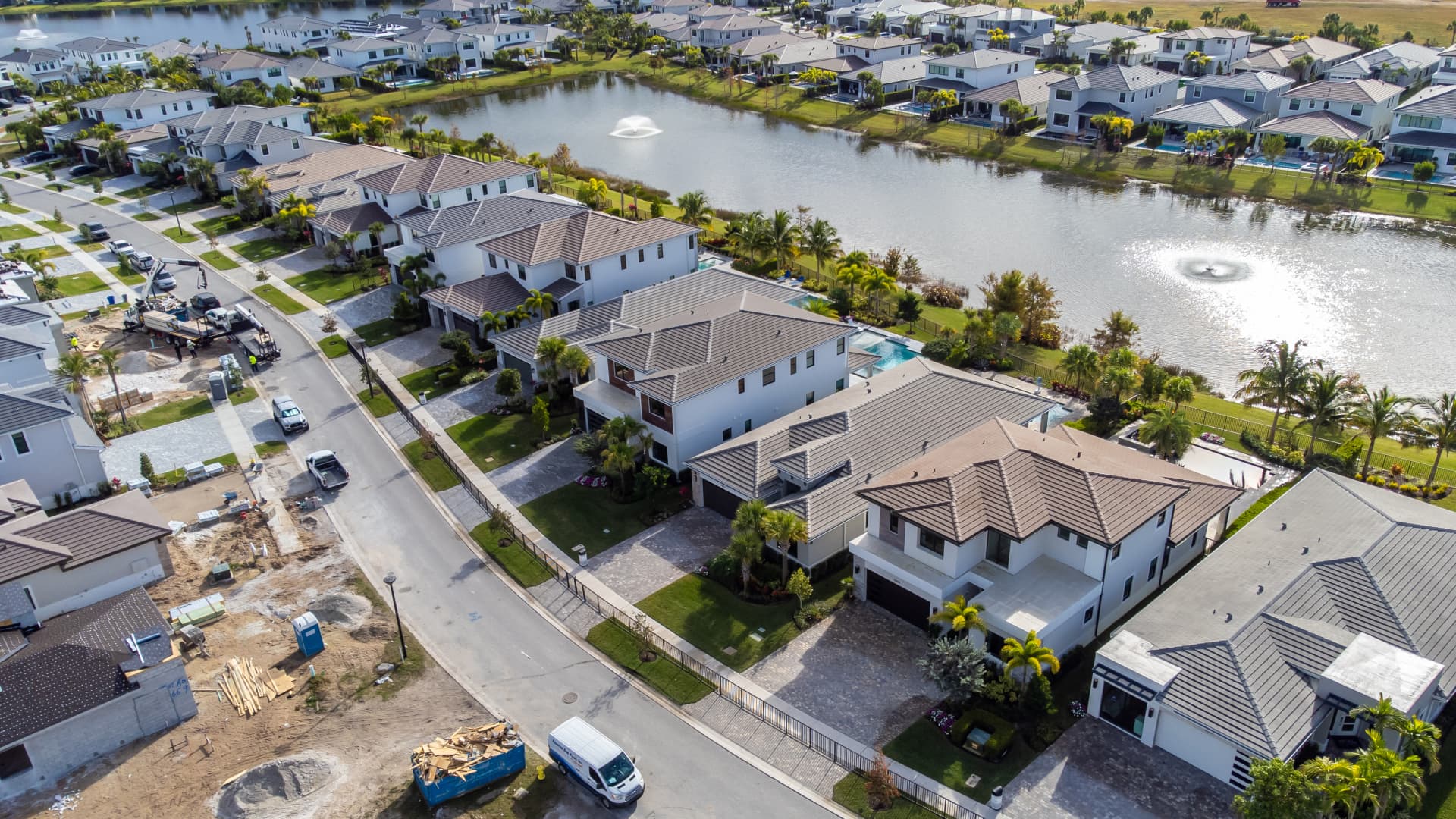
Navigating the Complex Terrain of Foreign Investments in U.S. Real Estate


In recent years, the landscape of foreign investment in the United States’ real estate sector has become increasingly complex and contentious. Scholars and policymakers are actively debating the regulatory measures needed to mitigate potential threats posed by such investments. The original article from The Regulatory Review highlights the multifaceted issues surrounding this topic, drawing attention to national security concerns, economic implications, and housing affordability challenges.
Foreign investment

Foreign Investments: A Double-Edged Sword


Over the last 15 years, foreign investment in U.S. real estate has surpassed $1.2 trillion. This influx of capital has led to significant changes in the real estate market, with foreign ownership of agricultural land increasing by 50% since 2017. While this investment can bolster the economy, it also raises national security concerns, especially when properties are located near sensitive military installations.

Regulatory Oversight and Challenges


The Committee on Foreign Investments in the United States (CFIUS) plays a pivotal role in reviewing foreign investments for potential security threats. However, the complexity of these transactions often leaves gaps in oversight. For instance, a controversial purchase of 370 acres near an Air Force base by a Chinese company in 2022 highlighted the limitations of CFIUS’s jurisdiction.

Economic Impacts and Housing Affordability


The economic implications of foreign investments extend beyond national security. As housing affordability has declined dramatically over the past two decades, foreign investments have been blamed for exacerbating this issue. In cities where housing prices have soared, foreign buyers are often seen as contributing to the demand shock that drives up prices.

Legislative Responses


In response to these challenges, both federal and state legislatures have begun to restrict foreign investment in specific real estate categories. States like Louisiana and Oklahoma have enacted laws limiting property ownership by foreign nationals from adversary states, aiming to protect national interests.

Recommendations and Future Directions


To enhance transparency and mitigate risks, experts recommend several measures. The GAO suggests improving data accessibility related to foreign investments, while scholars advocate for the use of the Corporate Transparency Act to identify real estate owners. Additionally, a working paper by Andolfatto and Rekkas highlights the potential of foreign buyers’ taxes to stabilize housing markets.
The intricate balance between welcoming foreign investment and safeguarding national interests continues to be a subject of rigorous debate. As the United States navigates this complex terrain, the insights from scholars and regulatory experts will be crucial in shaping effective policies.


More Articles

Getting licensed or staying ahead in your career can be a journey—but it doesn’t have to be overwhelming. Grab your favorite coffee or tea, take a moment to relax, and browse through our articles. Whether you’re just starting out or renewing your expertise, we’ve got tips, insights, and advice to keep you moving forward. Here’s to your success—one sip and one step at a time!

The 2026 CRE Tech Revolution: How Data, Automation, and AI Are Rewriting Commercial Real Estate

Commercial real estate is entering its most transformative era yet. In 2026, success hinges on mastering predictive analytics, smart‑building automation, and sustainability tech—tools that now determine everything from ROI forecasting to tenant retention. As PropTech evolves into an interconnected ecosystem of AI, automation, and ESG‑driven systems, CRE professionals who embrace this shift will lead the next generation of market innovation, while those who rely on traditional instincts risk being left behind.

Florida’s Mobile Home Rent Shake‑Up: New Bills Aim to Rein In Rent Hikes and Boost Tenant Protections

Florida lawmakers are pushing major reforms that could dramatically change life for more than 800,000 mobile home park residents. New bills would force park owners to justify rent increases, expand relocation assistance, strengthen tenant rights, and add penalties for reducing amenities without lowering rent. With many residents facing steep price jumps on fixed incomes, the proposed laws mark one of the state’s biggest moves toward accountability and transparency in decades — and real estate professionals will need to stay informed as the changes progress.

Mortgage Refinance Surge Faces Sudden Reversal as Rates Jump Again

Refinance activity exploded for a second straight week as mortgage rates briefly dipped to their lowest levels since late 2024. Homeowners rushed to lock in savings, pushing refinance applications to nearly triple last year’s volume. But the momentum may be short‑lived. Early this week, rates spiked again as markets reacted to new tariff concerns and global uncertainty, erasing much of the recent progress. Both refinance and purchase demand remain strong, but volatility continues to challenge borrowers and professionals across the real estate and mortgage sectors.

Welcome to the Age of the AI Real Estate Agent

The real estate industry has officially entered its AI era, with agents across the country adopting advanced tools that streamline workflow, boost productivity, and transform daily operations. According to a new HousingWire report, tasks that once took hours now take minutes, agents are seeing up to 40 percent productivity growth, and unified AI platforms are helping brokerages deliver faster, smarter, and more personalized marketing than ever before.

Hawai‘i’s 2026 Economic Crossroads: A State in Transition with Opportunities for Professionals

Hawai‘i enters 2026 with a mix of strength and vulnerability. Construction is booming with billions in federal and military projects, yet tourism—the backbone of the local economy—is slowing at a difficult moment. Real estate shows early signs of revival as mortgage rates fall, while health care, small business, and banking navigate shifting federal funding and economic uncertainty. For professionals across real estate, finance, construction, and other licensed industries, Hawai‘i offers a clear preview of the economic pressures and emerging opportunities taking shape nationwide.

Florida’s Insurance Crisis Finally Shows Relief as Lawmakers Push for More Consumer‑Focused Reforms

Florida’s property insurance market is stabilizing after years of turmoil, but lawmakers say the job isn’t done. New proposals target profit‑sharing oversight, premium transparency, and a statewide claim‑free discount program—offering potential relief for homeowners and key insights for real estate and mortgage professionals navigating the shifting landscape.