In the aftermath of the pandemic, commercial real estate is grappling with a new reality. The sector, particularly office spaces, is facing increased vacancies and higher interest rates, presenting a formidable challenge for banks across the United States. As detailed in a recent American Banker article, banks are striving to prevent these issues from escalating into more significant financial troubles.


The Impact of Legislative Changes


New York Community Bancorp (NYCB) exemplifies the struggles within the sector, as highlighted by the rapidly declining value of rent-regulated apartment loans in New York City. The Housing Stability and Tenant Protection Act, enacted in 2019, has drastically affected these valuations. The Act introduced caps on rent increases and limited landlords’ returns on renovations, creating a challenging environment for property managers.


Wedbush Securities analyst David Chiaverini notes that this legislation is squeezing net operating income, especially as loans mature in a higher-rate environment. With renovation costs rising and rent increases restricted, landlords are finding it increasingly difficult to maintain profitability.


Bank Strategies and Leadership Challenges


NYCB’s new CEO, Alessandro “Sandro” DiNello, has emphasized a strategic focus on reducing the bank’s commercial real estate concentration. However, as Chiaverini suggests, there’s no quick fix for the challenges facing rent-regulated multifamily properties. For more insights into NYCB’s leadership challenges, you can read this article.


Valley National Bank, another key player in the sector, is also heavily concentrated in commercial real estate. The bank’s portfolio, primarily located in New Jersey, New York City, and Florida, includes a mix of apartments, retail, office, and industrial spaces. Fortunately, Valley has avoided the large office towers in Manhattan, opting instead for smaller suburban buildings, which offer more flexibility for conversion into apartments or industrial centers.


Broader Economic Implications


In testimony to the Senate Banking Committee, Treasury Secretary Janet Yellen addressed the broader implications of these challenges. She acknowledged that some institutions will face stress due to higher interest rates, lower property valuations, and rising vacancy rates. However, she reassured that the banking system remains well-capitalized overall. For more on Yellen’s perspective, see her testimony.


The ongoing struggles in commercial real estate underscore the need for banks to adapt and innovate in response to evolving market conditions. As the sector navigates these challenges, the focus remains on strategic maneuvers and legislative considerations that will shape its future trajectory.


More Articles

Getting licensed or staying ahead in your career can be a journey—but it doesn’t have to be overwhelming. Grab your favorite coffee or tea, take a moment to relax, and browse through our articles. Whether you’re just starting out or renewing your expertise, we’ve got tips, insights, and advice to keep you moving forward. Here’s to your success—one sip and one step at a time!

2025 Commercial Real Estate Outlook: Navigating a New Era

The commercial real estate landscape is on the brink of transformation as leaders seek to navigate the challenges of recent years and position their organizations for future opportunities.

The Emerging Mental Health Crisis Among Healthcare Workers During the COVID-19 Pandemic

The pandemic has ushered in a wave of mental health challenges that affect healthcare workers profoundly. From the onset of COVID-19, these professionals have been at the forefront, facing immense pressure, long hours, and the constant fear of exposure.

By |December 18, 2024|Categories: Article, Healthcare Workers, Mental Health|Tags: , |0 Comments

Ethical Concerns of Large Language Models in Healthcare

Exploring the dual nature of LLMs offers substantial benefits in healthcare but also raises significant ethical concerns, underscoring the need for well-defined guidelines and human oversight.

The Role of Wearable Devices in Chronic Disease Monitoring and Patient Care: A Comprehensive Review

Wearable devices have become integral in managing chronic conditions by providing continuous health data, empowering patients and healthcare professionals with insights that were previously unattainable.

AI Training Mandates: Navigating Legal Waters in Dentistry

The integration of artificial intelligence (AI) into dental practices is more than a technological trend; it represents a seismic shift in the industry. This transformation is reshaping skill sets and prompting a thorough examination of legal and ethical implications.

By |December 17, 2024|Categories: Article, Legal, Technology|Tags: , |0 Comments

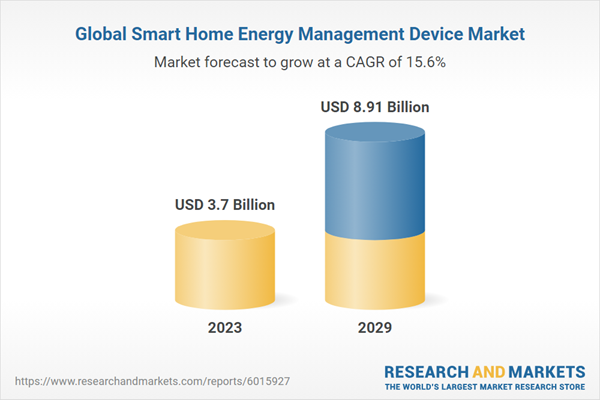
Smart Home Energy Management Devices: A Market Poised for Growth

The Global Smart Home Energy Management Device Market is on the brink of a significant transformation, driven by escalating demands for energy-efficient solutions and the increasing adoption of smart home technologies.