In the aftermath of the pandemic, commercial real estate is grappling with a new reality. The sector, particularly office spaces, is facing increased vacancies and higher interest rates, presenting a formidable challenge for banks across the United States. As detailed in a recent American Banker article, banks are striving to prevent these issues from escalating into more significant financial troubles.


The Impact of Legislative Changes


New York Community Bancorp (NYCB) exemplifies the struggles within the sector, as highlighted by the rapidly declining value of rent-regulated apartment loans in New York City. The Housing Stability and Tenant Protection Act, enacted in 2019, has drastically affected these valuations. The Act introduced caps on rent increases and limited landlords’ returns on renovations, creating a challenging environment for property managers.


Wedbush Securities analyst David Chiaverini notes that this legislation is squeezing net operating income, especially as loans mature in a higher-rate environment. With renovation costs rising and rent increases restricted, landlords are finding it increasingly difficult to maintain profitability.


Bank Strategies and Leadership Challenges


NYCB’s new CEO, Alessandro “Sandro” DiNello, has emphasized a strategic focus on reducing the bank’s commercial real estate concentration. However, as Chiaverini suggests, there’s no quick fix for the challenges facing rent-regulated multifamily properties. For more insights into NYCB’s leadership challenges, you can read this article.


Valley National Bank, another key player in the sector, is also heavily concentrated in commercial real estate. The bank’s portfolio, primarily located in New Jersey, New York City, and Florida, includes a mix of apartments, retail, office, and industrial spaces. Fortunately, Valley has avoided the large office towers in Manhattan, opting instead for smaller suburban buildings, which offer more flexibility for conversion into apartments or industrial centers.


Broader Economic Implications


In testimony to the Senate Banking Committee, Treasury Secretary Janet Yellen addressed the broader implications of these challenges. She acknowledged that some institutions will face stress due to higher interest rates, lower property valuations, and rising vacancy rates. However, she reassured that the banking system remains well-capitalized overall. For more on Yellen’s perspective, see her testimony.


The ongoing struggles in commercial real estate underscore the need for banks to adapt and innovate in response to evolving market conditions. As the sector navigates these challenges, the focus remains on strategic maneuvers and legislative considerations that will shape its future trajectory.


More Articles

Getting licensed or staying ahead in your career can be a journey—but it doesn’t have to be overwhelming. Grab your favorite coffee or tea, take a moment to relax, and browse through our articles. Whether you’re just starting out or renewing your expertise, we’ve got tips, insights, and advice to keep you moving forward. Here’s to your success—one sip and one step at a time!

Artificial Intelligence in Diagnostics: A Revolution in Healthcare

The global market for artificial intelligence in diagnostics is poised for remarkable growth, with projections estimating it to reach USD 7.3 billion by 2032.

By |December 10, 2024|Categories: Article, Artificial Intelligence, Healthcare|Tags: , |0 Comments

Revolutionizing Medical Education with Extended Reality

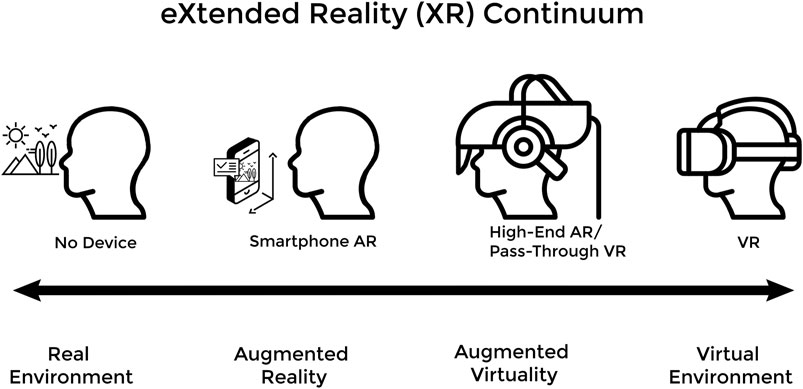
In the ever-evolving landscape of medical education, a new player has emerged, promising to revolutionize the way future doctors are trained. The integration of eXtended Reality (XR) technologies is reshaping the educational landscape by addressing the limitations of traditional methods.

Genetic Testing: A New Dawn in Healthcare

Genetic testing represents more than just a scientific advancement; it signifies a fundamental shift in how we approach health and wellness.

Sustainable Architecture: Blending Innovation with Ecological Responsibility

The journey toward sustainable architecture is ongoing, with each project serving as a beacon of what's achievable when creativity meets ecological awareness.

By |December 9, 2024|Categories: Architecture, Article, Sustainability|Tags: |0 Comments

AI in Clinical and Molecular Diagnostics: A Market on the Rise

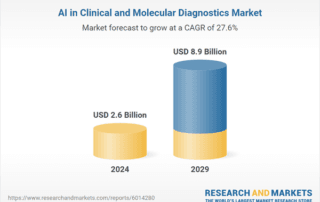
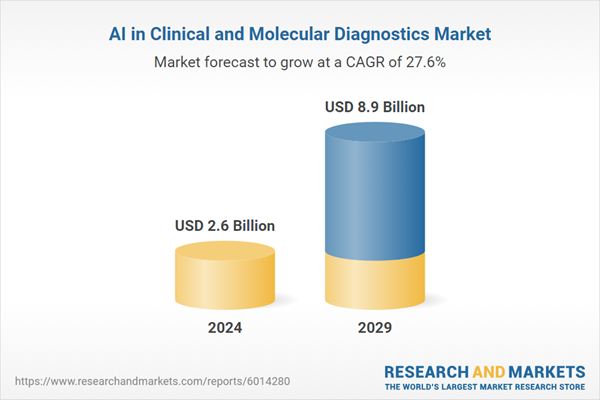
AI in Clinical and Molecular Diagnostics Market is set to experience remarkable growth, projected to surge from USD 2.6 billion in 2024 to USD 8.9 billion by 2029. This growth is driven by the integration of advanced AI technologies such as machine learning and deep learning into traditional diagnostic methodologies like imaging, genomics, and laboratory testing.

AI: A Revolution in Healthcare’s Future

AI is not a distant dream but a present reality, already integrated into everyday life through virtual assistants like Alexa and Siri. AI shows promise in enhancing medical accuracy, such as in predicting mesothelioma survival and improving colonoscopy accuracy, it is not intended to replace healthcare professionals.