In the aftermath of the pandemic, commercial real estate is grappling with a new reality. The sector, particularly office spaces, is facing increased vacancies and higher interest rates, presenting a formidable challenge for banks across the United States. As detailed in a recent American Banker article, banks are striving to prevent these issues from escalating into more significant financial troubles.


The Impact of Legislative Changes


New York Community Bancorp (NYCB) exemplifies the struggles within the sector, as highlighted by the rapidly declining value of rent-regulated apartment loans in New York City. The Housing Stability and Tenant Protection Act, enacted in 2019, has drastically affected these valuations. The Act introduced caps on rent increases and limited landlords’ returns on renovations, creating a challenging environment for property managers.


Wedbush Securities analyst David Chiaverini notes that this legislation is squeezing net operating income, especially as loans mature in a higher-rate environment. With renovation costs rising and rent increases restricted, landlords are finding it increasingly difficult to maintain profitability.


Bank Strategies and Leadership Challenges


NYCB’s new CEO, Alessandro “Sandro” DiNello, has emphasized a strategic focus on reducing the bank’s commercial real estate concentration. However, as Chiaverini suggests, there’s no quick fix for the challenges facing rent-regulated multifamily properties. For more insights into NYCB’s leadership challenges, you can read this article.


Valley National Bank, another key player in the sector, is also heavily concentrated in commercial real estate. The bank’s portfolio, primarily located in New Jersey, New York City, and Florida, includes a mix of apartments, retail, office, and industrial spaces. Fortunately, Valley has avoided the large office towers in Manhattan, opting instead for smaller suburban buildings, which offer more flexibility for conversion into apartments or industrial centers.


Broader Economic Implications


In testimony to the Senate Banking Committee, Treasury Secretary Janet Yellen addressed the broader implications of these challenges. She acknowledged that some institutions will face stress due to higher interest rates, lower property valuations, and rising vacancy rates. However, she reassured that the banking system remains well-capitalized overall. For more on Yellen’s perspective, see her testimony.


The ongoing struggles in commercial real estate underscore the need for banks to adapt and innovate in response to evolving market conditions. As the sector navigates these challenges, the focus remains on strategic maneuvers and legislative considerations that will shape its future trajectory.



More Articles

Getting licensed or staying ahead in your career can be a journey—but it doesn’t have to be overwhelming. Grab your favorite coffee or tea, take a moment to relax, and browse through our articles. Whether you’re just starting out or renewing your expertise, we’ve got tips, insights, and advice to keep you moving forward. Here’s to your success—one sip and one step at a time!

The Digital Healthcare Revolution: Transforming Patient Care with Technology

The global digital health market is set to skyrocket, with projections estimating it will reach $551.09 billion by 2027. This growth is fueled by innovations that are setting new benchmarks in healthcare delivery.

By |November 28, 2024|Categories: Article, Healthcare, Technology|Tags: , |0 Comments

University of Pennsylvania Pioneers the Planetary Health Curriculum

This innovative program equips medical students with the knowledge to understand and mitigate the effects of climate change on human health.

The Deep-Learning Triple Threat Transforming Medical Imaging

AI is being hailed as a "triple threat" in radiology, impacting planning, scanning, and diagnosis. As detailed in a recent column by Kelly Londy of GE HealthCare, these intelligent imaging systems are ushering in seismic changes reminiscent of the transformative impact of computer-assisted tomography in the late 20th century.

Federal Reserve’s Interest Rate Cut: Implications for the Housing Market

In a significant move that has captured the attention of economists and homebuyers alike, the Federal Reserve recently announced a half-percentage-point cut in interest rates. This decision is poised to bring about notable changes in the housing market, though not all effects may be beneficial for prospective homeowners.

By |November 27, 2024|Categories: Article, Economics, Real Estate|Tags: , |0 Comments

Public Perceptions of AI in Healthcare: A Balancing Act Between Innovation and Ethics

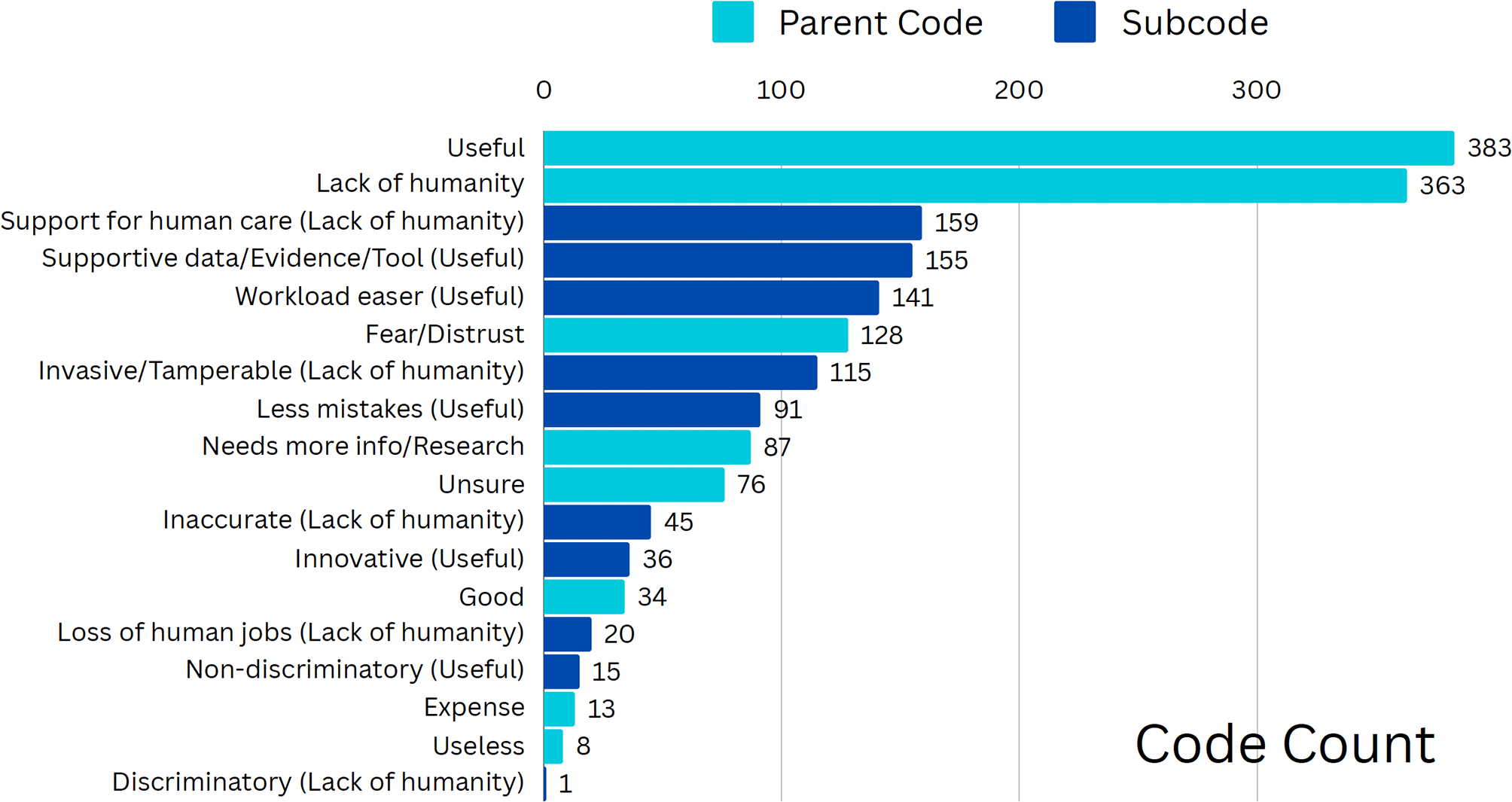
In the rapidly evolving landscape of healthcare, the integration of artificial intelligence (AI) stands as a beacon of both promise and concern. The research underscores a significant tension: while AI has the capability to enhance healthcare delivery, there is palpable unease about its impact on the traditional physician-patient relationship.

By |November 27, 2024|Categories: Article, Ethics, Healthcare|Tags: , |0 Comments

The Ethical Dilemmas of AI: A Modern Conundrum

As artificial intelligence (AI) technology advances, it presents a myriad of ethical dilemmas and challenges that demand urgent attention. The USC Annenberg School for Communication and Journalism recently explored these pressing issues, highlighting the complexities involved in AI's deployment.

By |November 27, 2024|Categories: Article, Ethics, Technology|Tags: , |0 Comments