In the aftermath of the pandemic, commercial real estate is grappling with a new reality. The sector, particularly office spaces, is facing increased vacancies and higher interest rates, presenting a formidable challenge for banks across the United States. As detailed in a recent American Banker article, banks are striving to prevent these issues from escalating into more significant financial troubles.


The Impact of Legislative Changes


New York Community Bancorp (NYCB) exemplifies the struggles within the sector, as highlighted by the rapidly declining value of rent-regulated apartment loans in New York City. The Housing Stability and Tenant Protection Act, enacted in 2019, has drastically affected these valuations. The Act introduced caps on rent increases and limited landlords’ returns on renovations, creating a challenging environment for property managers.


Wedbush Securities analyst David Chiaverini notes that this legislation is squeezing net operating income, especially as loans mature in a higher-rate environment. With renovation costs rising and rent increases restricted, landlords are finding it increasingly difficult to maintain profitability.


Bank Strategies and Leadership Challenges


NYCB’s new CEO, Alessandro “Sandro” DiNello, has emphasized a strategic focus on reducing the bank’s commercial real estate concentration. However, as Chiaverini suggests, there’s no quick fix for the challenges facing rent-regulated multifamily properties. For more insights into NYCB’s leadership challenges, you can read this article.


Valley National Bank, another key player in the sector, is also heavily concentrated in commercial real estate. The bank’s portfolio, primarily located in New Jersey, New York City, and Florida, includes a mix of apartments, retail, office, and industrial spaces. Fortunately, Valley has avoided the large office towers in Manhattan, opting instead for smaller suburban buildings, which offer more flexibility for conversion into apartments or industrial centers.


Broader Economic Implications


In testimony to the Senate Banking Committee, Treasury Secretary Janet Yellen addressed the broader implications of these challenges. She acknowledged that some institutions will face stress due to higher interest rates, lower property valuations, and rising vacancy rates. However, she reassured that the banking system remains well-capitalized overall. For more on Yellen’s perspective, see her testimony.


The ongoing struggles in commercial real estate underscore the need for banks to adapt and innovate in response to evolving market conditions. As the sector navigates these challenges, the focus remains on strategic maneuvers and legislative considerations that will shape its future trajectory.


More Articles

Getting licensed or staying ahead in your career can be a journey—but it doesn’t have to be overwhelming. Grab your favorite coffee or tea, take a moment to relax, and browse through our articles. Whether you’re just starting out or renewing your expertise, we’ve got tips, insights, and advice to keep you moving forward. Here’s to your success—one sip and one step at a time!

Is Florida’s Booming Real Estate Market Becoming Unaffordable?

Florida is facing a real estate crisis marked by skyrocketing insurance premiums, stringent FEMA rules, and a surge in hedge fund property acquisitions.

By |November 14, 2024|Categories: Article, Finance/Economy, Real Estate|Tags: , |0 Comments

Revolutionizing Cancer Therapy: The Promise of Patient-Derived Organoids

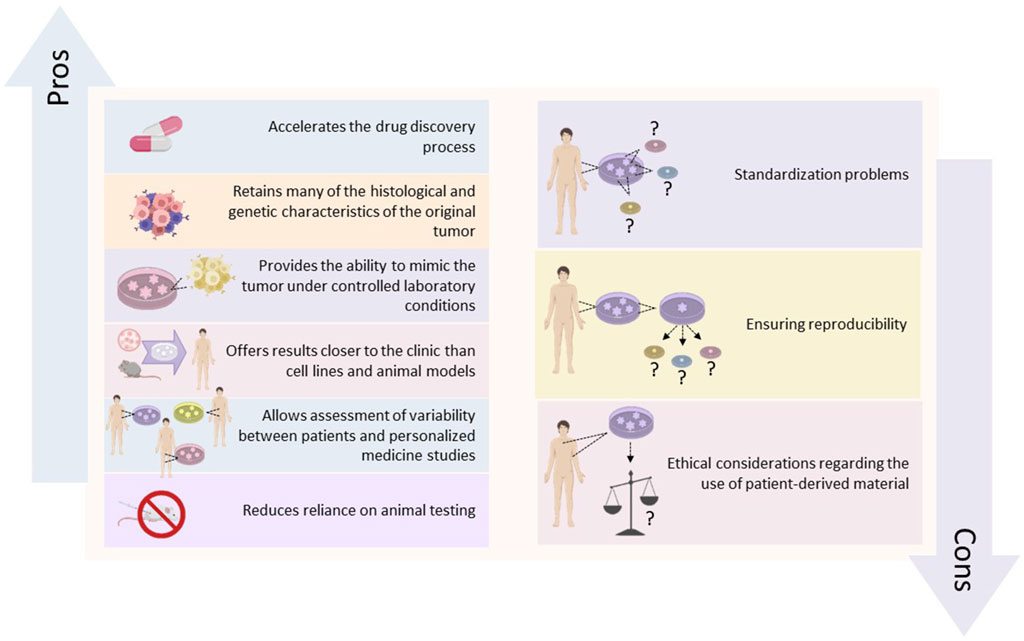
Patient-derived organoids offer an unprecedented opportunity to replicate the complex structure and genetic makeup of cancers, providing a more accurate model for clinical drug screening and pharmacognostic assessment.

The AI Revolution in Dermatology: A Systematic Review

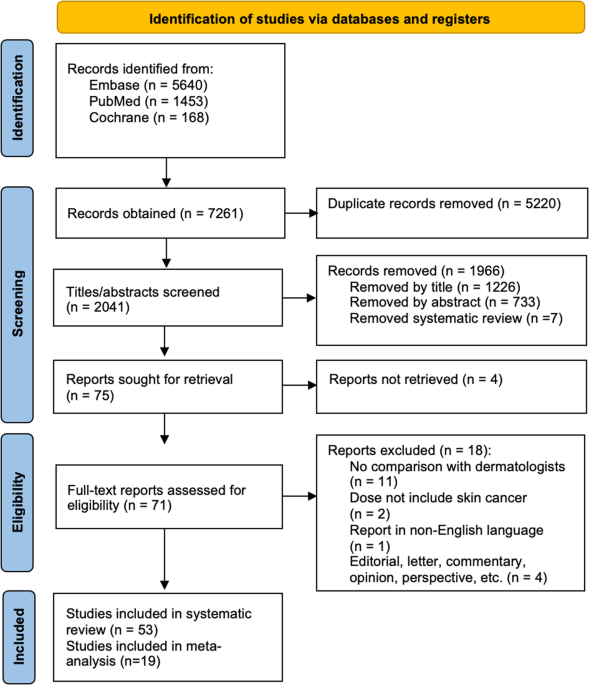
In a groundbreaking study published in Nature, researchers have delved into the burgeoning field of artificial intelligence (AI) in dermatology, specifically examining its role in diagnosing skin cancer. The study, titled "A Systematic Review and Meta-Analysis of Artificial Intelligence Versus Clinicians for Skin Cancer Diagnosis," offers a comprehensive look at how AI stacks up against human clinicians in this critical area of healthcare.

By |November 14, 2024|Categories: AI in Healthcare, Article, Dermatology|Tags: , |0 Comments

The Fast Lane to Fully Autonomous Vehicles: Industry Innovations and Future Prospects

The automotive world is abuzz with announcements from major players like Tesla, Rimac, Renault, and Nissan, each unveiling plans to introduce autonomous vehicles in the near future. Tesla's much-anticipated "CyberCab" is set for an October 2024 debut, while Rimac and Renault are gearing up for releases in 2026.

Futureproofing for Insurers: The Role of AI and Hyper-Personalization

In a rapidly evolving industry, insurance companies are turning to artificial intelligence (AI) and hyper-personalization to stay ahead of the curve.

Revolutionizing Healthcare: The Power and Potential of AI

AI technology offers a multitude of benefits, from enhancing patient outcomes to reducing healthcare costs and improving population health. Its application ranges from preventive screenings to complex diagnostic procedures, marking a new era in medical care.

By |November 13, 2024|Categories: Article, Artificial Intelligence, Healthcare|Tags: , |0 Comments