In the aftermath of the pandemic, commercial real estate is grappling with a new reality. The sector, particularly office spaces, is facing increased vacancies and higher interest rates, presenting a formidable challenge for banks across the United States. As detailed in a recent American Banker article, banks are striving to prevent these issues from escalating into more significant financial troubles.


The Impact of Legislative Changes


New York Community Bancorp (NYCB) exemplifies the struggles within the sector, as highlighted by the rapidly declining value of rent-regulated apartment loans in New York City. The Housing Stability and Tenant Protection Act, enacted in 2019, has drastically affected these valuations. The Act introduced caps on rent increases and limited landlords’ returns on renovations, creating a challenging environment for property managers.


Wedbush Securities analyst David Chiaverini notes that this legislation is squeezing net operating income, especially as loans mature in a higher-rate environment. With renovation costs rising and rent increases restricted, landlords are finding it increasingly difficult to maintain profitability.


Bank Strategies and Leadership Challenges


NYCB’s new CEO, Alessandro “Sandro” DiNello, has emphasized a strategic focus on reducing the bank’s commercial real estate concentration. However, as Chiaverini suggests, there’s no quick fix for the challenges facing rent-regulated multifamily properties. For more insights into NYCB’s leadership challenges, you can read this article.


Valley National Bank, another key player in the sector, is also heavily concentrated in commercial real estate. The bank’s portfolio, primarily located in New Jersey, New York City, and Florida, includes a mix of apartments, retail, office, and industrial spaces. Fortunately, Valley has avoided the large office towers in Manhattan, opting instead for smaller suburban buildings, which offer more flexibility for conversion into apartments or industrial centers.


Broader Economic Implications


In testimony to the Senate Banking Committee, Treasury Secretary Janet Yellen addressed the broader implications of these challenges. She acknowledged that some institutions will face stress due to higher interest rates, lower property valuations, and rising vacancy rates. However, she reassured that the banking system remains well-capitalized overall. For more on Yellen’s perspective, see her testimony.


The ongoing struggles in commercial real estate underscore the need for banks to adapt and innovate in response to evolving market conditions. As the sector navigates these challenges, the focus remains on strategic maneuvers and legislative considerations that will shape its future trajectory.



More Articles

Getting licensed or staying ahead in your career can be a journey—but it doesn’t have to be overwhelming. Grab your favorite coffee or tea, take a moment to relax, and browse through our articles. Whether you’re just starting out or renewing your expertise, we’ve got tips, insights, and advice to keep you moving forward. Here’s to your success—one sip and one step at a time!

Florida’s Home Insurance Market Shows Strong Signs of Recovery in 2026

Florida’s home insurance market is experiencing a wave of optimism as recent litigation reforms lead to fewer lawsuits, stronger insurer stability, and even rate reductions. With companies like Florida Peninsula lowering premiums and 17 new insurers entering the state, real estate, mortgage, and insurance professionals can expect smoother transactions, increased buyer confidence, and a more competitive market environment in the year ahead.

Mortgage Rates Slide to Multi‑Year Lows as 2026 Housing Momentum Accelerates

Mortgage rates have dipped to levels not seen since 2022, with the 30‑year fixed averaging just 6.361% and Freddie Mac reporting an even lower 6.06%. The drop is reshaping buyer affordability, sparking renewed market activity, and creating fresh opportunities for real estate professionals—especially in fast‑moving markets like Florida.

Is 2026 Finally the Breakthrough Year for Homebuyers?

The 2026 housing market is shaping up to be one of the most pivotal in years, with mortgage rates showing slight relief, affordability shifting toward the Midwest and South, and buyers turning to options like ARMs and new‑construction homes. Early signals point to new opportunities for buyers, investors, and real‑estate professionals—especially those ready to navigate a market defined by moderate rate drops, regional affordability gaps, and builder‑driven incentives.

Ares Commercial Real Estate Insider Shake‑Up Raises Questions for Industry Professionals

Ares Commercial Real Estate CEO Bryan Donohoe sold US$107k in shares this week, trimming his stake by 13% and adding to a pattern of insider selling with no insider purchases in the past 12 months. With insider ownership sitting at a modest 1.6%, the activity signals a cautious tone inside the company—something real estate, mortgage, and finance professionals may want to watch as they assess broader market confidence.

Florida’s 2026 Legislative Session Kicks Off With Major Moves for Real Estate, Insurance, and Business Professionals

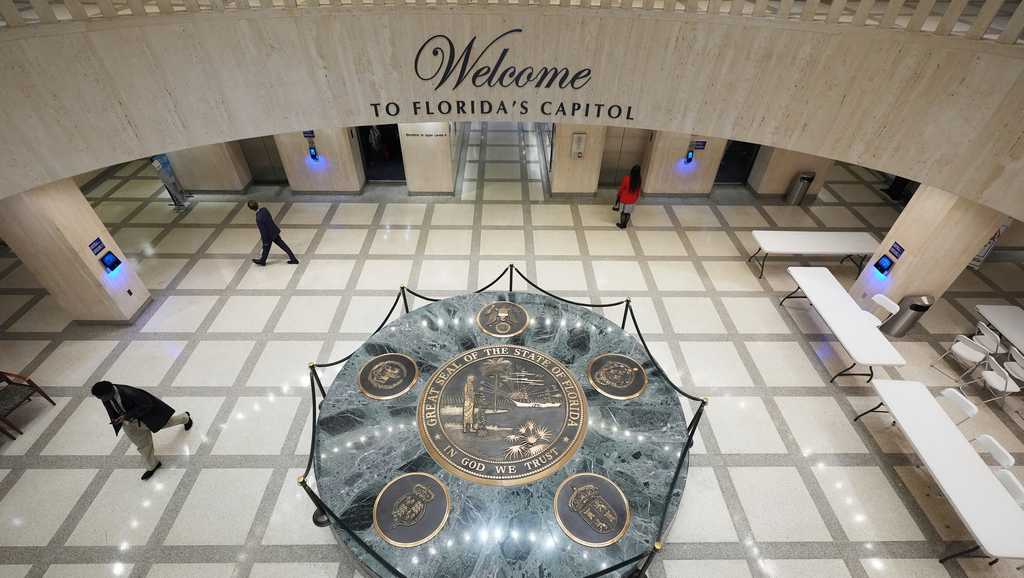
Florida’s 2026 legislative session is officially underway, launching a wave of high‑impact bills targeting property insurance reform, a proposal to eliminate property taxes, new education attendance requirements, and even an AI Bill of Rights. With over a hundred bills already filed, real estate agents, investors, insurers, educators, and other licensed professionals can expect significant regulatory shifts that may reshape Florida’s housing market, insurance costs, and professional compliance standards.

Warren Buffett’s 2026 Reminder: Conviction Beats Market Predictions

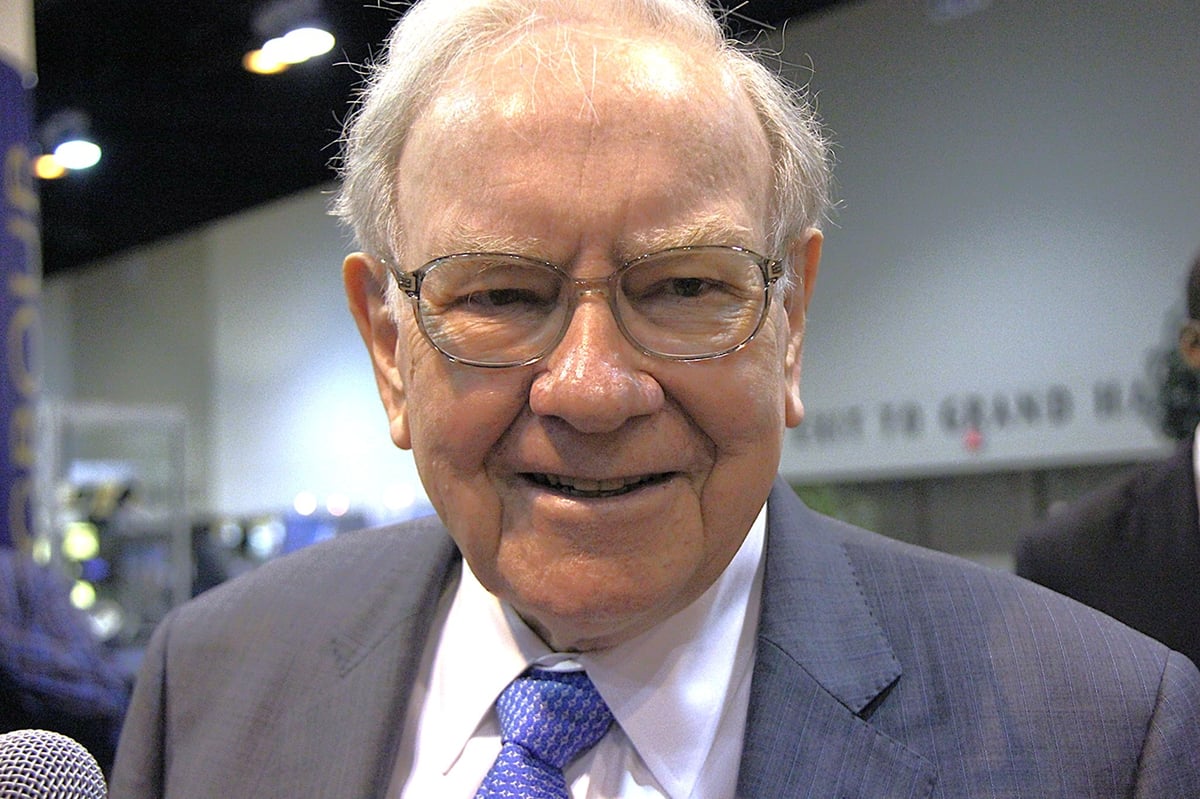
Warren Buffett’s timeless investing wisdom is more relevant than ever in 2026. Despite decades of market change, his core lesson remains the same: long‑term conviction outperforms short‑term prediction. From embracing occasional underperformance to avoiding emotional decisions, Buffett’s philosophy highlights why deep understanding and steady confidence are more valuable than trying to forecast market swings. This mindset isn’t just for investors—it’s a guiding principle for professionals looking to grow their careers with clarity and purpose.