“`html

Prospective homebuyers embarking on their journey this fall will encounter a new landscape in real estate commissions. The changes, implemented in August, mark a significant shift for the housing industry, brought about by the National Association of Realtors’ settlement of multiple lawsuits regarding agent commissions.

Traditionally, sellers have been responsible for paying both their agent and the buyer’s agent. However, the expectation for sellers to cover the buyer’s agent commission has been lifted, allowing for more flexibility in negotiations. Although sellers can still opt to pay, particularly in competitive markets, the decision now rests more with the buyers.

David M. Dworkin, president and CEO of the National Housing Conference, explains, “Some sellers continue to offer fee splitting, but now it’s up to the buyer to inquire, and the buyer’s agent will provide that information.”

Understanding the New Real Estate Commission Rules

The new regulations deconstruct the previous commission structure, empowering sellers to negotiate their agent’s fee. Now, before viewing homes, buyers must sign a contract with their agent, detailing the services provided and the fees involved.

In high-priced markets, the shift could benefit both parties. Buyers might see lower property taxes due to reduced home prices, while sellers could enjoy lower capital gains taxes. However, this new approach demands more research from buyers before engaging with real estate agents.

Interviewing Real Estate Agents

Experts recommend interviewing multiple agents, as buyer agreements are typically exclusive. “You want to ensure due diligence upfront,” advises Nitin Gupta, a broker associate with Competitive Edge Realty. Key questions should focus on the agent’s experience, fee structure, and communication style.

Negotiating Your Buyer’s Contract

Once an agent is selected, buyers must navigate the contract process. The Consumer Federation of America offers guidelines for evaluating these contracts. Buyers should ensure the commission structure is clear and negotiate terms such as fee amounts and contract duration.

For those interested in further details, the original article by Money provides an in-depth look at these changes and their implications. You can read more about it here.

Close-up of a hand holding a house shaped key
“`

More Articles

Getting licensed or staying ahead in your career can be a journey—but it doesn’t have to be overwhelming. Grab your favorite coffee or tea, take a moment to relax, and browse through our articles. Whether you’re just starting out or renewing your expertise, we’ve got tips, insights, and advice to keep you moving forward. Here’s to your success—one sip and one step at a time!

The Most Popular Housing Markets of 2024 Unveiled

Among the bustling cities, New York, NY, stands out, capturing 3.4% of the total online traffic. This is followed by Dallas, TX (2.7%), Chicago, IL (2.6%), Miami, FL (2.5%), and Tampa, FL (1.9%). These cities have emerged as hotspots for prospective homebuyers, reflecting a high level of interest and potential market growth.

By |March 4, 2025|Categories: Article, Housing Market Trends, Real Estate|Tags: , |0 Comments

Texas Enhances Mortgage Sector Protections with New Regulations

In a significant move to bolster consumer protections in the mortgage sector, Texas has enacted new regulations aimed at enhancing transparency and accountability among mortgage lenders and servicers.

Integrating Real Estate into Defined Contribution Plans: A Strategic Move for Better Retirement Outcomes

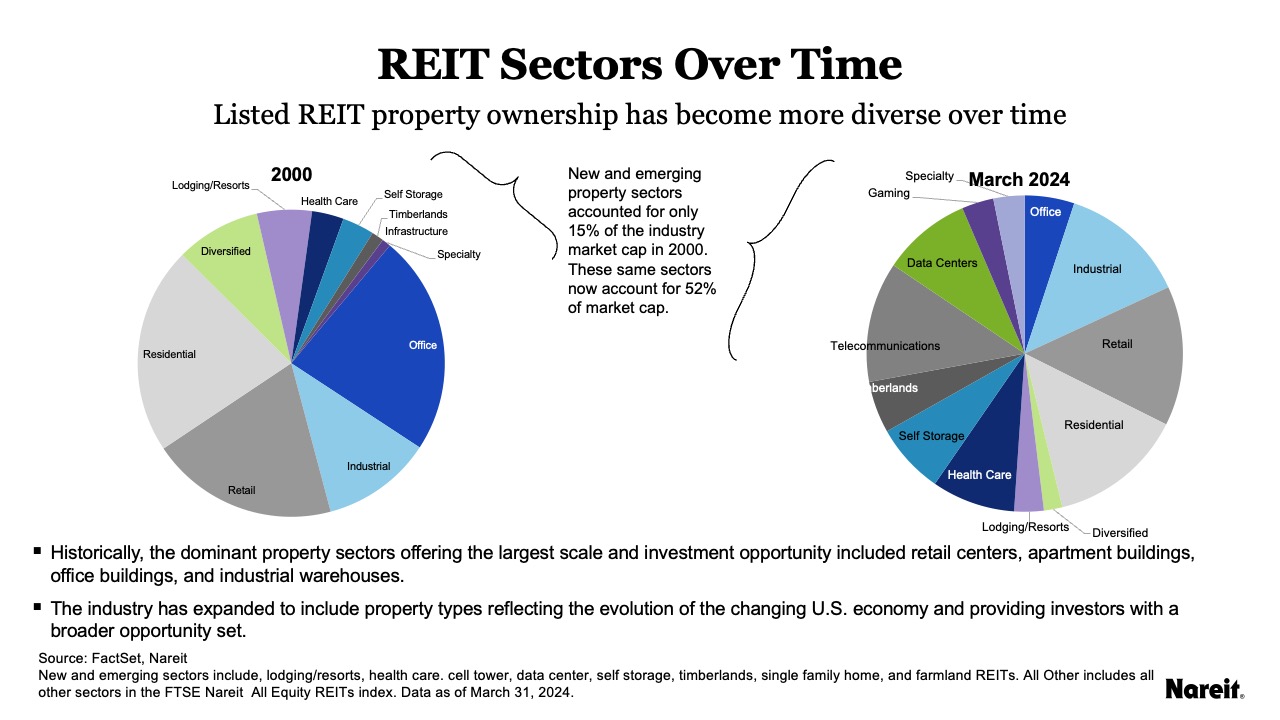
In the world of retirement planning, the integration of underrepresented asset classes into defined contribution (DC) plans is gaining momentum. For decades, defined benefit (DB) pension plans have successfully leveraged real estate within their investment portfolios. Now, DC plans are following suit, largely through the use of Real Estate Investment Trusts (REITs).

Exploring the Potential of Real Estate Investment Trusts (REITs)

REITs have democratized real estate investment, allowing individuals to invest in diverse property portfolios with the same ease as purchasing stocks. The beauty of REITs lies in their ability to transform traditionally illiquid assets into liquid ones, offering investors both liquidity and diversification.

By |March 4, 2025|Categories: Article, Finance, Real Estate|Tags: |0 Comments

In the Face of Economic Uncertainty: Building a Resilient Investment Portfolio

As economic uncertainty continues to cast a shadow over global markets, investors are increasingly seeking strategies to safeguard and grow their wealth.

Revolutionizing Real Estate: EstateSlice NFT Leverages Blockchain

In a bold move set to transform the real estate sector, EstateSlice NFT is leveraging blockchain technology to break down traditional barriers to property investment.