Prospective homebuyers embarking on their journey this fall will encounter a new landscape in real estate commissions. The changes, implemented in August, mark a significant shift for the housing industry, brought about by the National Association of Realtors’ settlement of multiple lawsuits regarding agent commissions.
Traditionally, sellers have been responsible for paying both their agent and the buyer’s agent. However, the expectation for sellers to cover the buyer’s agent commission has been lifted, allowing for more flexibility in negotiations. Although sellers can still opt to pay, particularly in competitive markets, the decision now rests more with the buyers.
David M. Dworkin, president and CEO of the National Housing Conference, explains, “Some sellers continue to offer fee splitting, but now it’s up to the buyer to inquire, and the buyer’s agent will provide that information.”
Understanding the New Real Estate Commission Rules
The new regulations deconstruct the previous commission structure, empowering sellers to negotiate their agent’s fee. Now, before viewing homes, buyers must sign a contract with their agent, detailing the services provided and the fees involved.
In high-priced markets, the shift could benefit both parties. Buyers might see lower property taxes due to reduced home prices, while sellers could enjoy lower capital gains taxes. However, this new approach demands more research from buyers before engaging with real estate agents.
Interviewing Real Estate Agents
Experts recommend interviewing multiple agents, as buyer agreements are typically exclusive. “You want to ensure due diligence upfront,” advises Nitin Gupta, a broker associate with Competitive Edge Realty. Key questions should focus on the agent’s experience, fee structure, and communication style.
Negotiating Your Buyer’s Contract
Once an agent is selected, buyers must navigate the contract process. The Consumer Federation of America offers guidelines for evaluating these contracts. Buyers should ensure the commission structure is clear and negotiate terms such as fee amounts and contract duration.
For those interested in further details, the original article by Money provides an in-depth look at these changes and their implications. You can read more about it here.
“`
More Articles
Getting licensed or staying ahead in your career can be a journey—but it doesn’t have to be overwhelming. Grab your favorite coffee or tea, take a moment to relax, and browse through our articles. Whether you’re just starting out or renewing your expertise, we’ve got tips, insights, and advice to keep you moving forward. Here’s to your success—one sip and one step at a time!
In the fast-evolving world of insurance, a transformative shift is underway, driven by the development of customer-centric ecosystems. As highlighted in a comprehensive study by EY, insurance ecosystems are reshaping the industry by focusing on customer engagement, trust, and operational excellence.
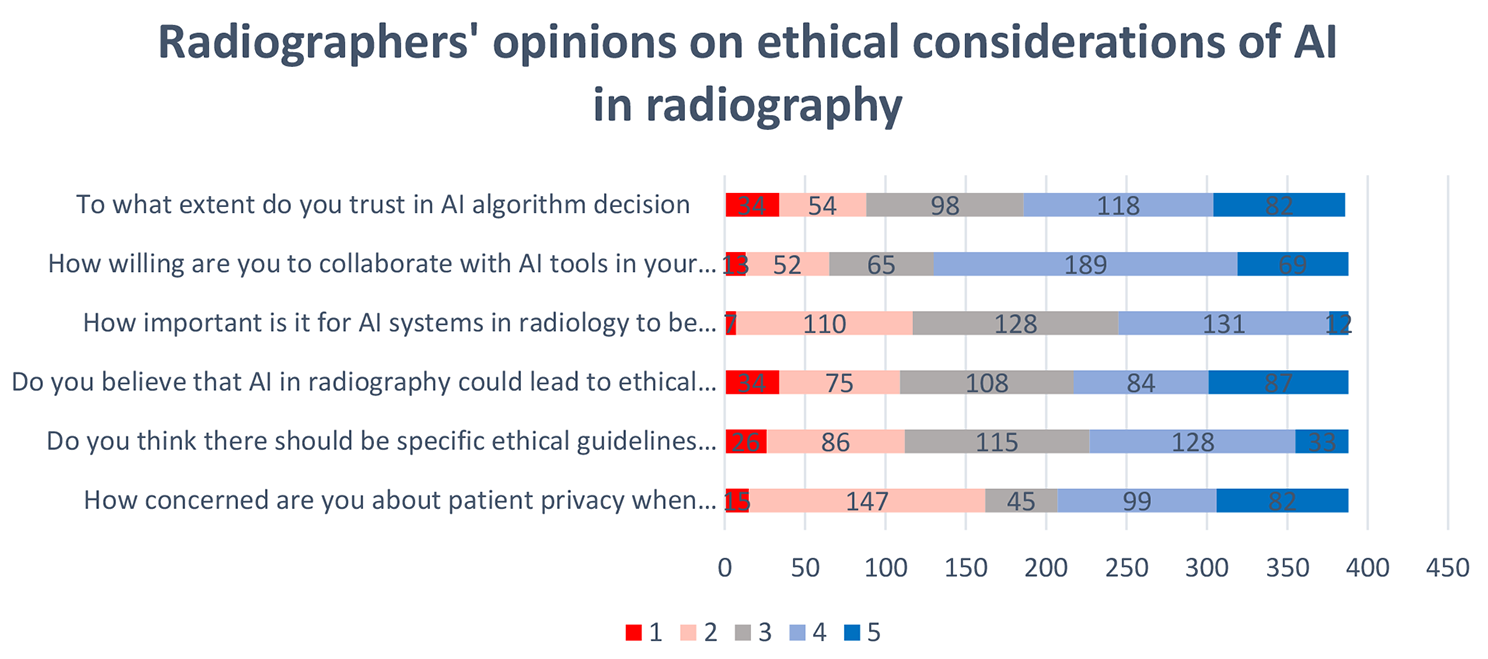
The integration of artificial intelligence in radiography brings a host of ethical challenges that demand careful consideration. A recent study highlights the diverse perspectives of radiographers, revealing significant knowledge gaps and varying trust levels in AI-driven decisions. Concerns over patient privacy and the need for dedicated ethical guidelines are pivotal as healthcare embraces AI.
AI tools are already delivering significant value and are poised to further transform healthcare. Embracing these changes today will position organizations and individuals to capture the long-term benefits of a more effective, efficient, and personalized healthcare system.
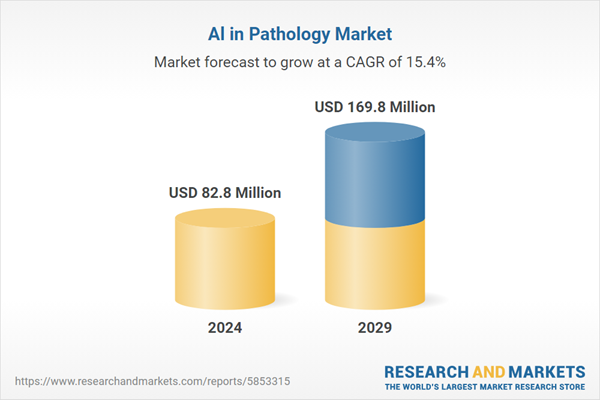
AI in pathology is revolutionizing the field by enhancing the analysis of clinical data, genomic information, and disease progression. These advancements are not only streamlining personalized treatment plans but also optimizing healthcare resource allocation.
In an era where data reigns supreme, the integration of artificial intelligence (AI) and machine learning (ML) into the realm of precision medicine is not just a possibility but a burgeoning reality.