Prospective homebuyers embarking on their journey this fall will encounter a new landscape in real estate commissions. The changes, implemented in August, mark a significant shift for the housing industry, brought about by the National Association of Realtors’ settlement of multiple lawsuits regarding agent commissions.
Traditionally, sellers have been responsible for paying both their agent and the buyer’s agent. However, the expectation for sellers to cover the buyer’s agent commission has been lifted, allowing for more flexibility in negotiations. Although sellers can still opt to pay, particularly in competitive markets, the decision now rests more with the buyers.
David M. Dworkin, president and CEO of the National Housing Conference, explains, “Some sellers continue to offer fee splitting, but now it’s up to the buyer to inquire, and the buyer’s agent will provide that information.”
Understanding the New Real Estate Commission Rules
The new regulations deconstruct the previous commission structure, empowering sellers to negotiate their agent’s fee. Now, before viewing homes, buyers must sign a contract with their agent, detailing the services provided and the fees involved.
In high-priced markets, the shift could benefit both parties. Buyers might see lower property taxes due to reduced home prices, while sellers could enjoy lower capital gains taxes. However, this new approach demands more research from buyers before engaging with real estate agents.
Interviewing Real Estate Agents
Experts recommend interviewing multiple agents, as buyer agreements are typically exclusive. “You want to ensure due diligence upfront,” advises Nitin Gupta, a broker associate with Competitive Edge Realty. Key questions should focus on the agent’s experience, fee structure, and communication style.
Negotiating Your Buyer’s Contract
Once an agent is selected, buyers must navigate the contract process. The Consumer Federation of America offers guidelines for evaluating these contracts. Buyers should ensure the commission structure is clear and negotiate terms such as fee amounts and contract duration.
For those interested in further details, the original article by Money provides an in-depth look at these changes and their implications. You can read more about it here.
“`
More Articles
Getting licensed or staying ahead in your career can be a journey—but it doesn’t have to be overwhelming. Grab your favorite coffee or tea, take a moment to relax, and browse through our articles. Whether you’re just starting out or renewing your expertise, we’ve got tips, insights, and advice to keep you moving forward. Here’s to your success—one sip and one step at a time!
"AI and machine learning are emerging as powerful technologies to address this issue, improving the accuracy of medical diagnosis and revolutionizing healthcare with their myriad applications."
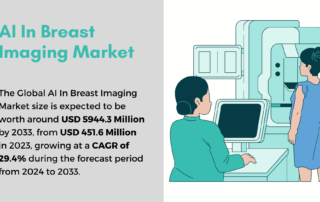
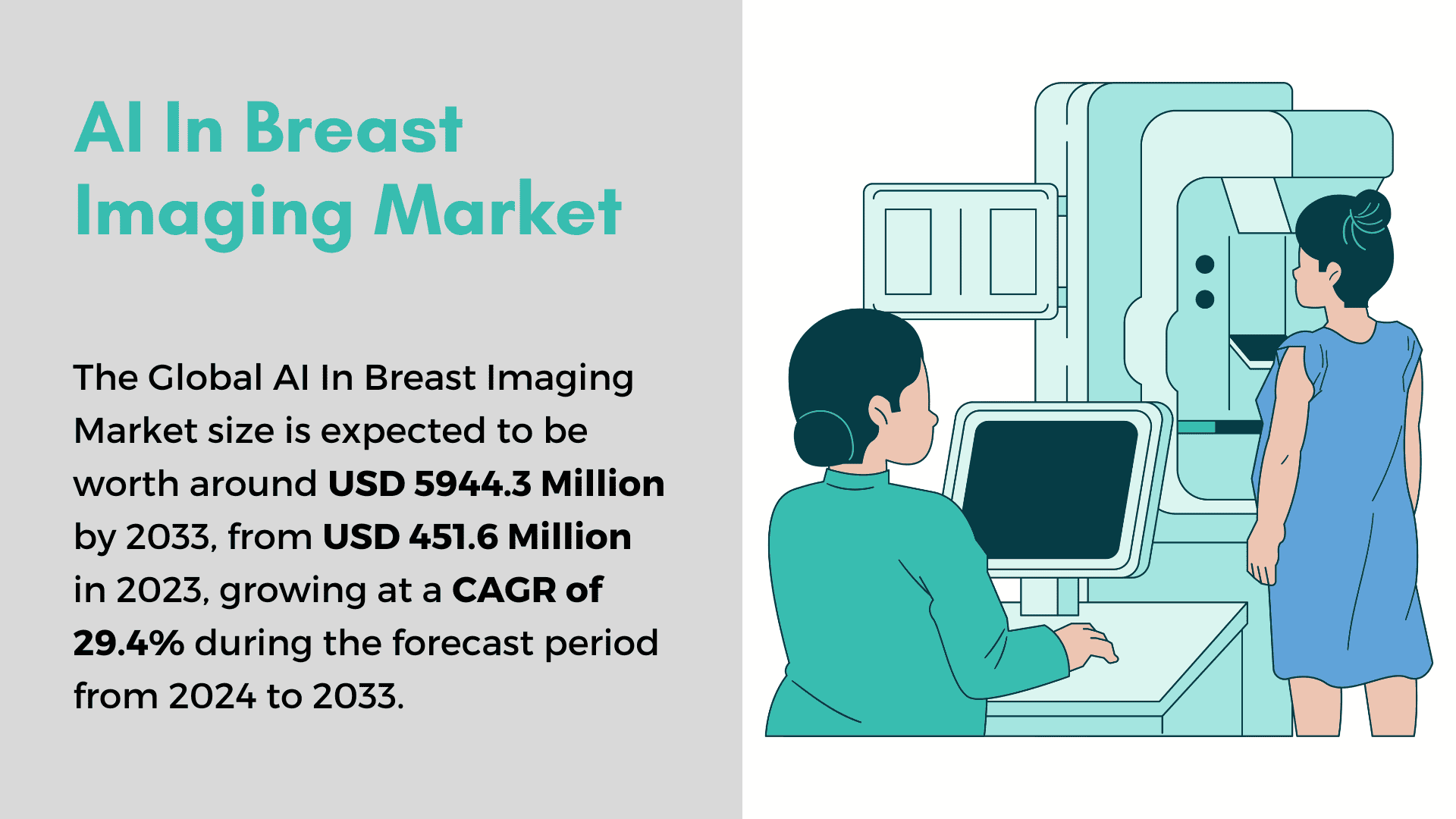
The global AI in breast imaging market is on a remarkable growth trajectory, projected to swell from USD 451.6 million in 2023 to an impressive USD 5944.3 million by 2033. This represents a compound annual growth rate (CAGR) of 29.4%, primarily driven by cutting-edge advancements in AI technologies that significantly enhance diagnostic accuracy, facilitate early detection, and boost healthcare efficiency.
Virtual real estate in metaverses is becoming a focal point for investors worldwide, with digital plots of land mirroring traditional real estate value based on location, size, and platform popularity.
Artificial intelligence (AI) and machine learning are at the forefront of revolutionizing in-vitro diagnostic (IVD) tools, redefining diagnostics and enhancing healthcare outcomes on multiple fronts.
As we edge closer to 2030, the life sciences industry stands on the threshold of transformative changes. With a global valuation exceeding $2 trillion, the sector is poised for significant growth, driven by technological advancements and an aging population.
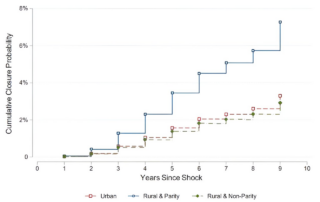
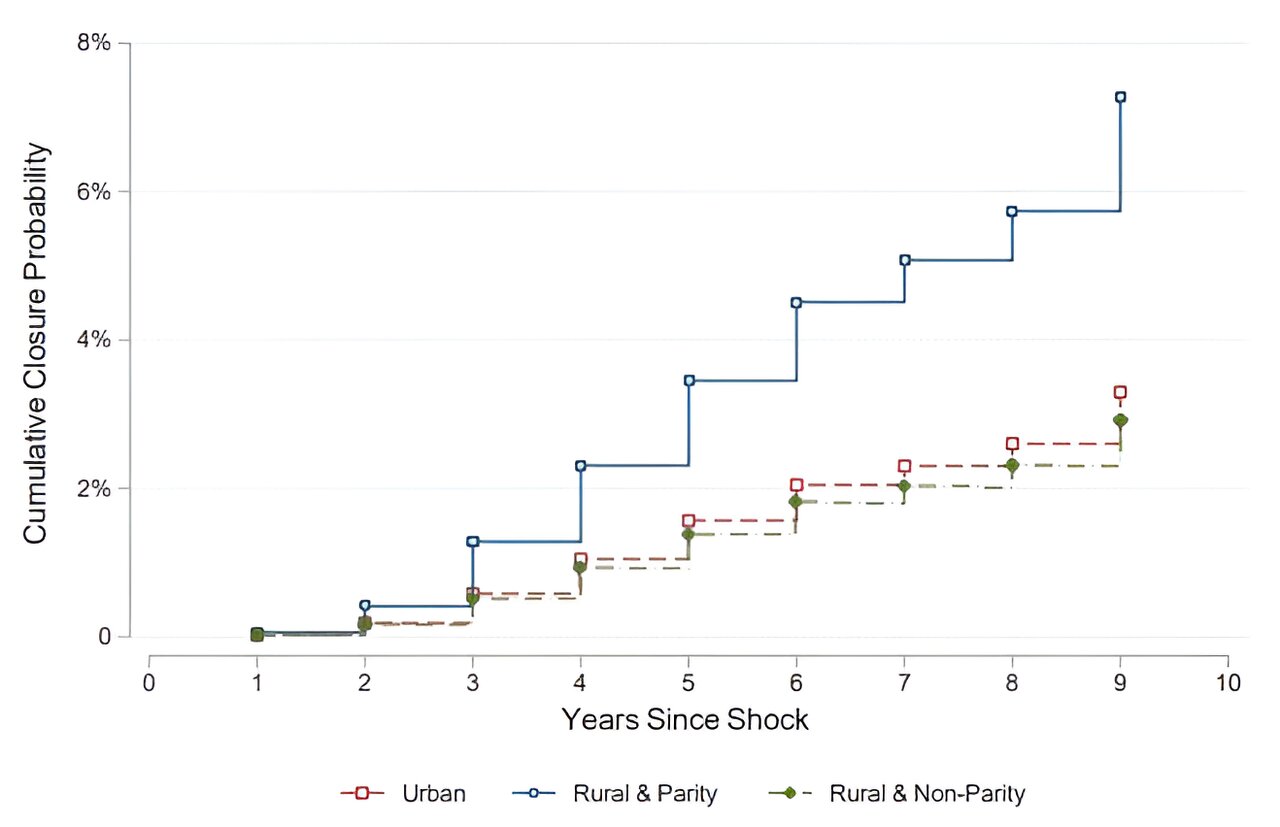
The advent of telehealth has revolutionized the way patients, particularly those in rural areas, access health care. By offering remote consultations and follow-up care, telehealth provides a convenient alternative to traveling long distances to urban hospitals. However, this technological advancement brings with it a set of challenges that could reshape the rural health care landscape.