In the evolving landscape of telemedicine, the U.S. Drug Enforcement Agency’s (DEA) potential crackdown on telemedicine prescribing has stirred concerns among healthcare professionals. Nathaniel Lacktman, a partner at Foley & Lardner LLP and a board member of the American Telemedicine Association, shared insights into these challenges in an article published by Endpoints News, a Financial Times publication.


Lacktman highlighted the ramifications of the DEA’s repeated delays in enacting telemedicine prescribing regulations, which have placed doctors and patients in a precarious position. The dilemma revolves around the conflict between federal prescribing laws and state laws on continuity of care. Should the DEA allow current waivers to expire without a viable alternative, patients may find themselves without necessary in-person medical support. This could expose doctors to claims of patient abandonment. “It’s putting doctors in a really difficult situation to determine if and when do I tell my patients that I can’t care for them?” Lacktman remarked.


Foley & Lardner LLP’s Telemedicine and Digital Health Industry Team is at the forefront of addressing these emerging issues. Recognized nationally by Chambers USA, the team supports organizations and entrepreneurs in navigating the complexities of virtual care, helping them provide innovative solutions for patients both locally and globally. Clients have praised Foley as “the premier firm for telehealth counsel,” “a market leader in telemedicine issues,” and “the Dream Team.”


The ongoing regulatory delays by the DEA underscore the challenges posed by a mixed federal-state legal landscape affecting telemedicine. As the telemedicine industry continues to grow, the need for clear and consistent regulations becomes increasingly critical to ensure that both doctors and patients can navigate this new frontier safely and effectively.



More Articles

Getting licensed or staying ahead in your career can be a journey—but it doesn’t have to be overwhelming. Grab your favorite coffee or tea, take a moment to relax, and browse through our articles. Whether you’re just starting out or renewing your expertise, we’ve got tips, insights, and advice to keep you moving forward. Here’s to your success—one sip and one step at a time!

The Future of Personalized Medicine: Bridging the Gap in Health Disparities

The Association of American Medical Colleges (AAMC) reports that while breast cancer mortality has decreased, Black women still face a 40% higher death rate compared to their White counterparts. This inequity is partly due to the fact that Black women are less frequently offered genetic screenings that could potentially save their lives.

The Evolving Role of AI in Education: A Delicate Balance

As the new semester unfolds, the profound influence of artificial intelligence (AI) on education and beyond is becoming increasingly evident.

By |December 7, 2024|Categories: Article, Artificial Intelligence, Education|Tags: , |0 Comments

MedTech vs BioTech: The Future of Healthcare Innovation

In the rapidly evolving landscape of healthcare, two fields stand at the forefront of innovation: MedTech and BioTech. While both are pivotal in enhancing patient care, they operate in distinct domains.

By |December 6, 2024|Categories: Article, Healthcare Innovation, MedTech and BioTech|Tags: , |0 Comments

Nanomedicine Market Poised for Explosive Growth

The nanomedicine market is set to experience a remarkable expansion, projected to surge from USD 223.6 billion in 2023 to a staggering USD 634.2 billion by 2032.

By |December 6, 2024|Categories: Article, Healthcare, Technology|Tags: , |0 Comments

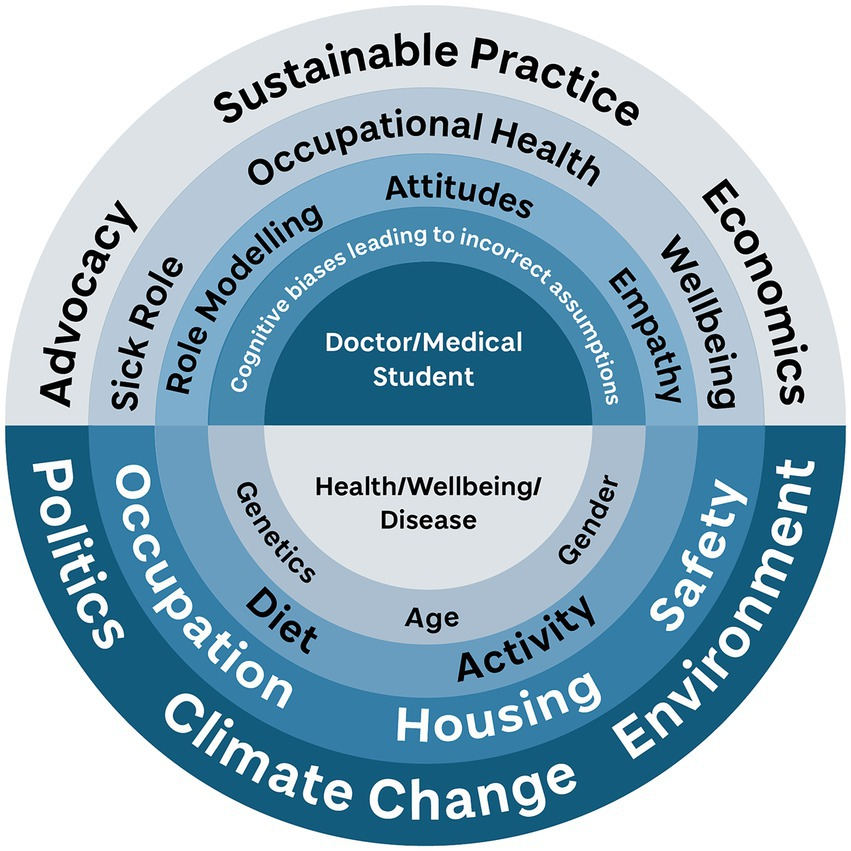
Modernizing Medical Education: Embracing Public Health at the University of Dundee

In a world where healthcare and its education are undergoing seismic shifts, the University of Dundee is pioneering a transformative approach. The institution is integrating public health into its medical curriculum, responding to the rapid technological, political, and social changes reshaping the medical landscape.

By |December 6, 2024|Categories: Article, Medical Education, Public Health|Tags: , |0 Comments