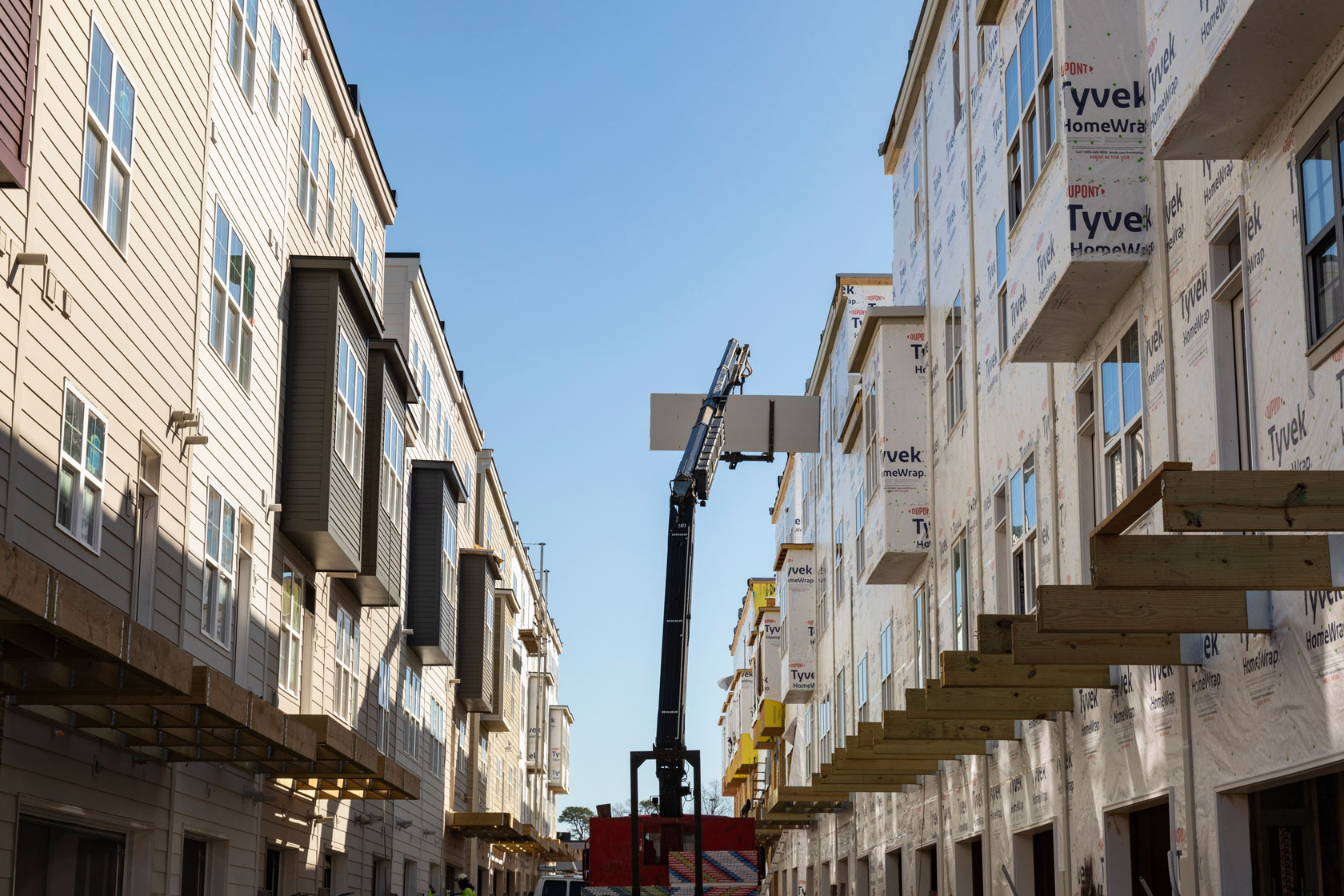
As we look ahead to 2025, the housing market presents a landscape marked by stability and cautious optimism. According to the latest insights from Ramsey Solutions, interest rates for 30-year mortgages are expected to stabilize around 6.5%. This stabilization comes after a period of fluctuation, where rates peaked at 7.79% in October 2023 before gradually declining.
While a housing market crash is not anticipated, the inventory of homes remains low, which could fuel increased demand. For those financially prepared to make a purchase, experts advise against waiting for lower rates. The time to buy is when personal finances align with the opportunity, not solely based on market predictions.
Interest Rates and Buyer Readiness
The Mortgage Bankers Association projects that 30-year mortgage rates will hover around 6.5%, suggesting a period of relative stability. This projection underscores the importance of focusing on personal financial readiness rather than waiting for a significant drop in rates.
Potential buyers should ensure they are financially ready by meeting criteria such as being debt-free, having an emergency fund, and ensuring their monthly mortgage payment is manageable.
Market Conditions and Presidential Influence
With President Donald Trump’s policies potentially influencing the market, it’s crucial to understand that presidents do not directly control interest rates or housing prices. Instead, factors like zoning, infrastructure, and federal land policies may indirectly affect supply and demand.
- Zoning laws: Adjustments in zoning can increase housing supply by allowing more development.
- Infrastructure: Investments in infrastructure can enhance property values by making areas more desirable.
- Federal land: Opening federal land for development can alleviate housing shortages.
Ultimately, while political factors can influence the market, individual financial health remains paramount. As emphasized in the original article by Rachel Cruze, taking control of one’s financial situation is more impactful than external market conditions.
Inventory and Demand Dynamics
Despite a gradual increase in housing inventory, levels remain below pre-COVID benchmarks. The market is not expected to experience a drastic price drop, but the steady rise in inventory signals a healthier market environment.
Buyer demand remains steady, with fluctuations typically seen between summer and winter months. If interest rates decrease further, demand may increase, but the current stability suggests a balanced approach for prospective buyers.
Conclusion
In summary, the housing market in 2025 is poised for stability rather than upheaval. For both buyers and sellers, understanding market conditions and aligning them with personal financial readiness is key. The original article from Ramsey Solutions offers a comprehensive analysis, emphasizing the importance of personal financial control in navigating the housing market.