As we step into 2025, the
housing market is poised at a crossroads, with evolving trends shaping the landscape for
real estate investors, landlords, and property managers. Nathan Miller, Founder and CEO of
Rentec Direct, highlights transformative forces that promise to redefine the sector this year.
Climate Challenges: A Catalyst for Change
The increasing frequency and severity of
natural disasters are compelling real estate investors to rethink their strategies. In 2025, areas like
Southern California are already witnessing devastating wildfires. Investors are cautiously retreating from high-risk regions, such as Florida and Texas, due to escalating insurance premiums and stricter building codes. This shift opens up opportunities for
risk-tolerant investors to capitalize on localized price declines, provided they can manage the associated risks.
AI: The Unseen Game Changer
Artificial Intelligence, a technology that gained momentum with the launch of
ChatGPT, is set to revolutionize real estate. As AI’s capabilities advance, there’s speculation that it might replace traditional buyer’s agents by efficiently analyzing market listings. This trend is fueled by the
NAR lawsuit settlement, which requires buyers to cover their own agent fees, prompting a shift towards more cost-effective AI solutions.
Build-to-Rent: A Growing Trend
The
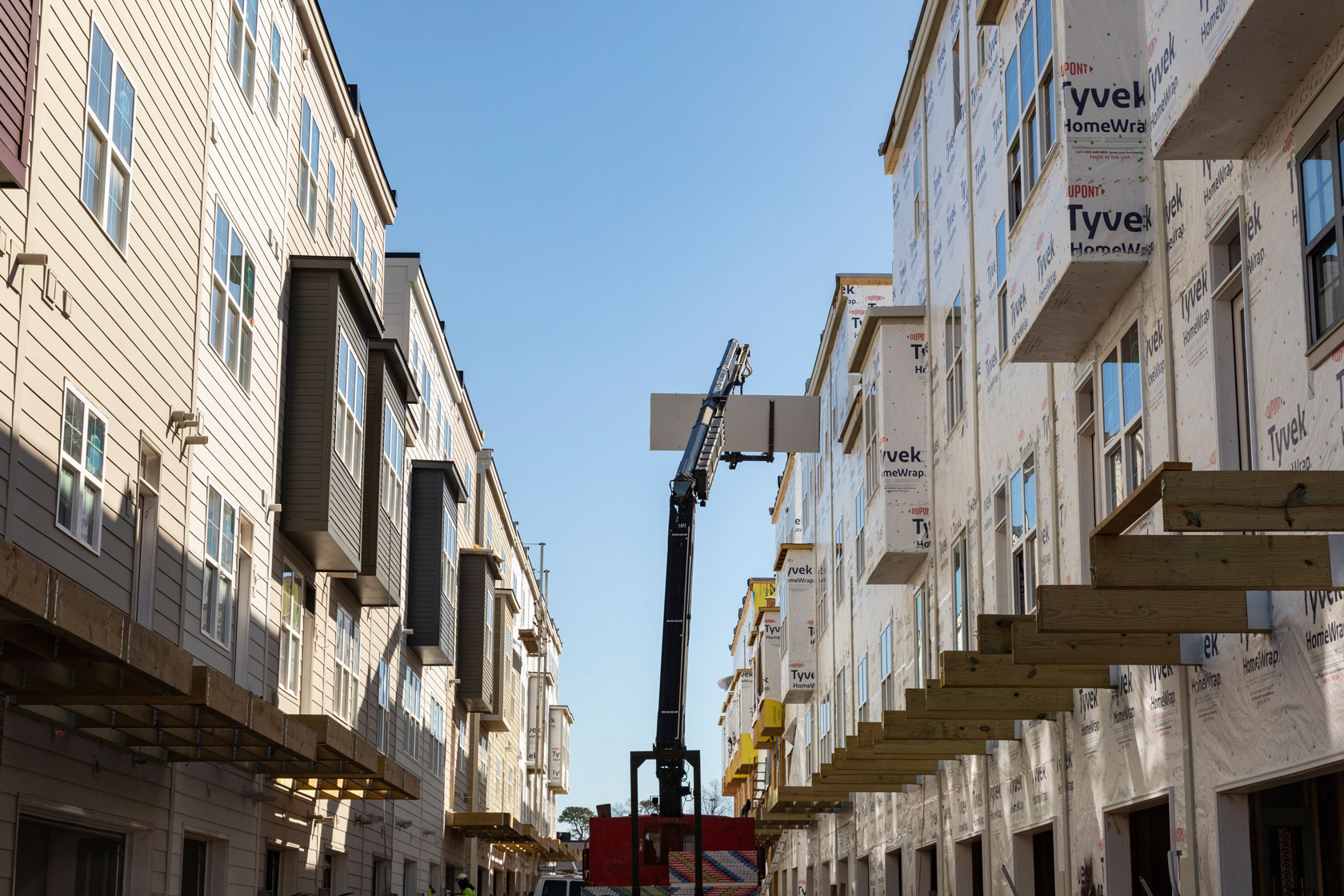
build-to-rent model is emerging as a significant housing solution in urban and suburban markets. This approach, where properties are constructed specifically for rental purposes, addresses housing affordability concerns. State-level incentives, including tax breaks and grants, are encouraging developers to prioritize rental housing, thereby stabilizing the market and providing high-quality living options.
Exploring Alternative Housing Models
Investors are increasingly drawn to creative housing solutions beyond traditional rentals.
Rental conversion projects are transforming old commercial spaces into multi-family properties. For instance, some developers are converting vacant schools into housing units.
Coliving is gaining traction as a high-yield investment, offering a flexible living arrangement akin to multi-family apartments. Additionally,
fractional ownership is lowering entry barriers for investors, allowing them to collectively own properties through syndication companies.
Staying informed and adaptable is crucial for navigating the dynamic real estate market in 2025. As highlighted in the original
Forbes article, embracing innovative solutions and understanding emerging trends will be key to thriving amidst uncertainty.